


As the crypto market evolves, some market participants are looking at tokens and networks they expect to be relevant in 2025. Larger assets such as Bitcoin and Ethereum remain widely followed, while attention also shifts to newer projects and early-stage ecosystems.
BlockDAG has recently attracted attention due to its ongoing token sale, while established names such as PEPE, Avalanche (AVAX), and Hedera (HBAR) continue to be discussed across the market. Factors often cited include token distribution, ecosystem activity, and network development.
Rather than focusing on promotional narratives, the sections below summarize project-reported figures and commonly discussed market data for BlockDAG, and provide context on PEPE, AVAX, and HBAR.
1. BlockDAG: Early-Stage Token Sale and Reported Growth Metrics
BlockDAG is holding a token sale and has promoted rapid growth for the project. According to figures cited in project materials, it has raised nearly $410 million and sold 26.3 billion BDAG tokens, with a token-sale price referenced at $0.0013 at the time of writing.
The project has also referenced an intended listing price of $0.05. Any future market price and returns are uncertain, and token-sale pricing does not guarantee trading performance once a token is listed.
BlockDAG (BDAG) has published various adoption-related metrics ahead of launch. The project states it has more than 312,000 holders, that 19,900+ ASIC miners have been sold, and that the X1 mobile app has 3 million daily users. It has also referenced an upcoming “Awakening Testnet,” which it says is intended to demonstrate the network’s technology.
As with any early-stage crypto project, these figures and timelines should be treated as project-reported and subject to change. Readers should also consider that early-stage tokens can carry elevated risks, including liquidity, security, regulatory, and execution risks.
2. PEPE Coin: Meme-Driven Demand and Volatility
PEPE remains one of the more closely watched meme coins in the market, recently trading near $0.00001165 with a market capitalisation of around $5 billion. Like other meme tokens, PEPE’s activity can be heavily influenced by social-media attention and short-term sentiment, which can contribute to sharp price swings.
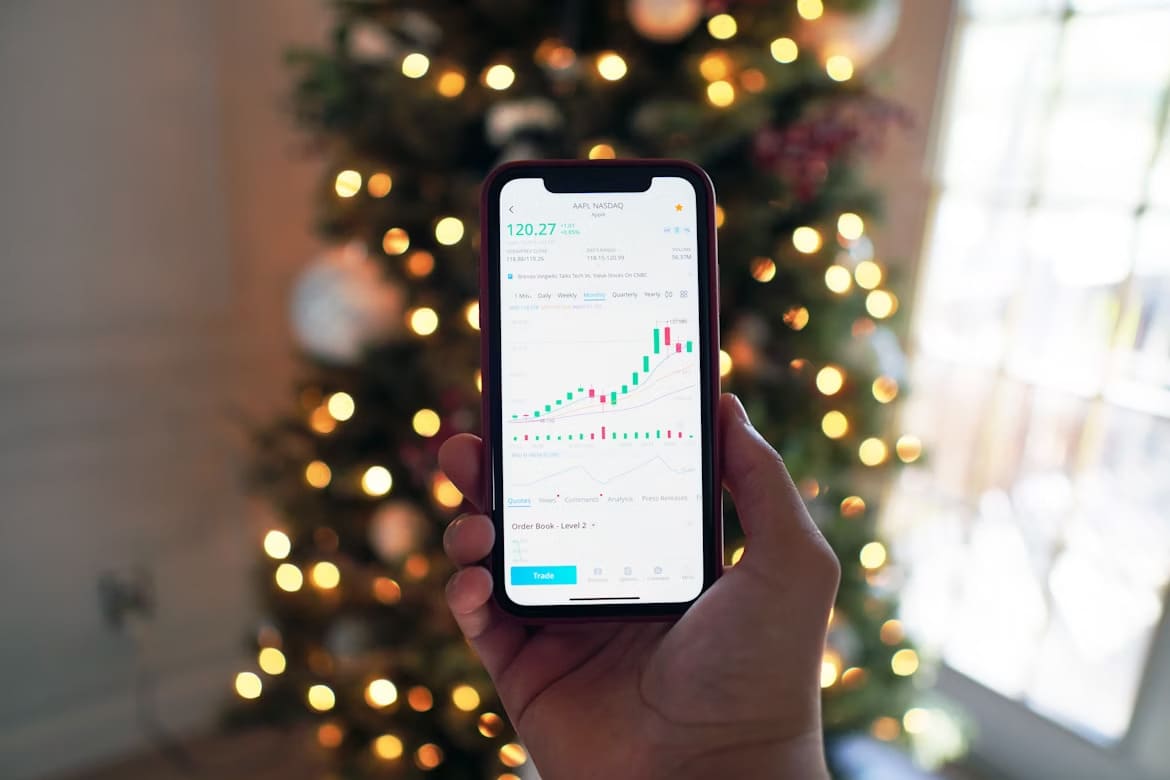
Some market watchers point to resistance around $0.000012–$0.000013, but technical levels are not predictive. Compared with smart-contract platforms and enterprise-focused networks, meme coins typically offer fewer ecosystem indicators to evaluate beyond liquidity, listings, and community activity.
3. Avalanche: Treasury Initiatives and Real-World Asset Integration
Avalanche has remained in focus in 2025 following the Avalanche Foundation’s announcement of a $1 billion treasury initiative intended to support capital markets activity and ecosystem development. AVAX has recently traded around $28, and some traders have been watching the $30–$32 area as a potential technical threshold, though price outcomes remain uncertain.
Beyond price discussion, Avalanche has highlighted efforts around Real-World Asset (RWA) integrations. These initiatives are often cited as part of the network’s strategy to expand usage beyond speculative trading, though adoption depends on execution and broader market conditions.
4. Hedera: Institutional Partnerships and Enterprise Use Cases
Hedera (HBAR) has continued to pursue institutional partnerships and enterprise-oriented use cases. One frequently cited development is its role in Wyoming’s state-issued stable token project, which has been highlighted as an example of engagement with regulated markets.
Recently trading near $0.24, HBAR has been discussed amid market speculation about ETFs and continued enterprise adoption. Technical commentary has referenced support around $0.236 and resistance near $0.252, while noting that volatility and pullbacks are common in crypto markets.

Hedera is often positioned as a network designed for compliance-minded, enterprise-grade deployments. That said, its risk profile and market behavior can differ substantially from both meme tokens and early-stage projects, and investors typically evaluate it through a different lens than token-sale narratives.
Looking Ahead
PEPE, Avalanche, and Hedera each represent different segments of the crypto market, ranging from community-driven tokens to smart-contract platforms and enterprise-focused networks. BlockDAG’s token sale has also drawn attention, largely due to the scale of its fundraising and the adoption metrics it has reported.
However, early-stage token sales and projected outcomes come with material uncertainty, and project-reported figures may change over time. Readers should weigh risks carefully and rely on primary documentation and independent verification where possible.

This article is for informational purposes only and does not constitute financial or investment advice. This outlet is not affiliated with the project mentioned. Any figures related to token sales, users, or pricing are based on project statements and may change.

