Stablecoins and Crime: Why the Banking Narrative Doesn’t Hold Up
In recent weeks, a New York Times article has reignited a thorny debate: do stablecoins facilitate money laundering? The immediate response from the crypto industry was

In recent weeks, a New York Times article has reignited a thorny debate: do stablecoins facilitate money laundering? The immediate response from the crypto industry was

TL;DR Tether minted $1B USDT on Ethereum in a single transaction, bringing the 48-hour issuance to $2B and drawing attention from liquidity-focused traders. At the same
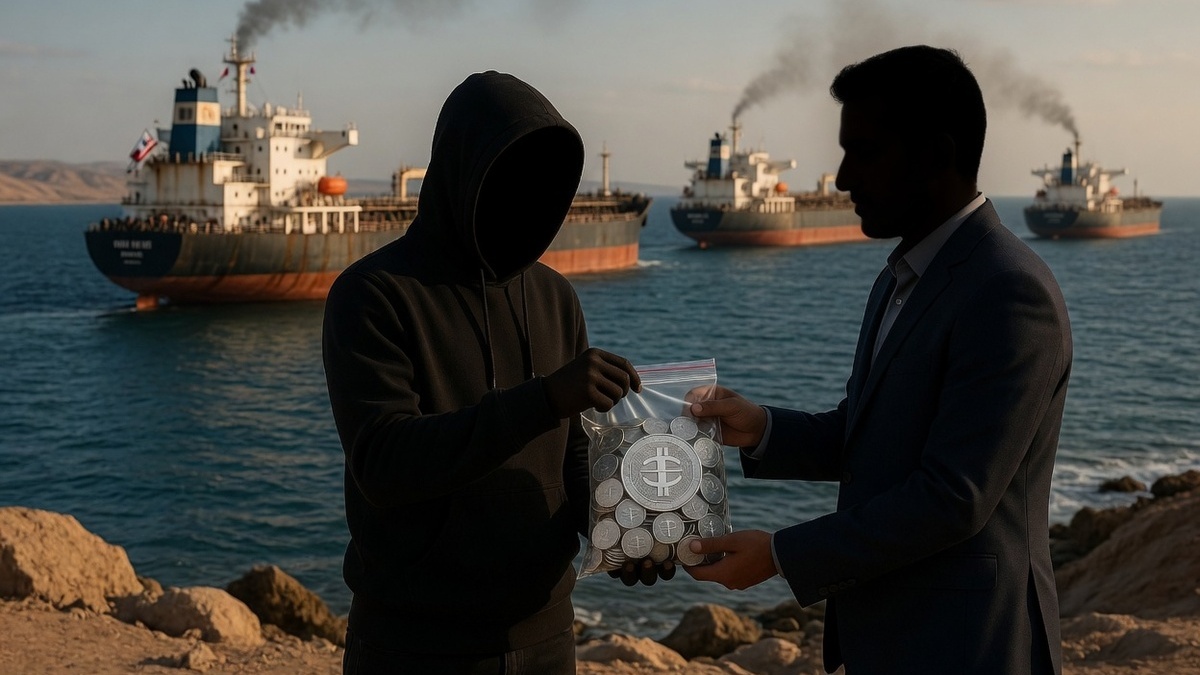
TL;DR: Scammers impersonating Iranian authorities are demanding payments in Bitcoin or USDT from shipping companies with vessels stranded near the Strait of Hormuz. Greek maritime risk
For far too long, the cryptocurrency industry has committed a cardinal sin of oversimplification. We toss instruments into the same linguistic bucket—”stablecoin“—that are as fundamentally different
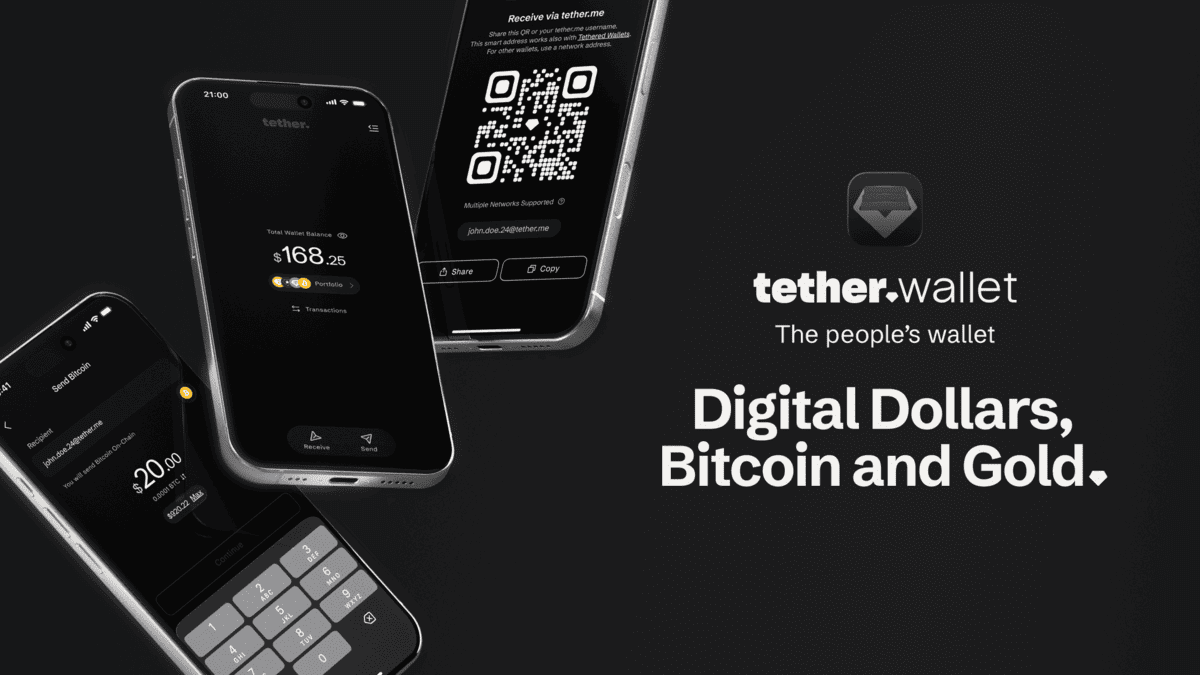
TL;DR: Tether launched tether.wallet, a self-custody wallet that allows users to send USDT, USAT, XAUT and bitcoin across multiple blockchains. The app lets users pay transaction
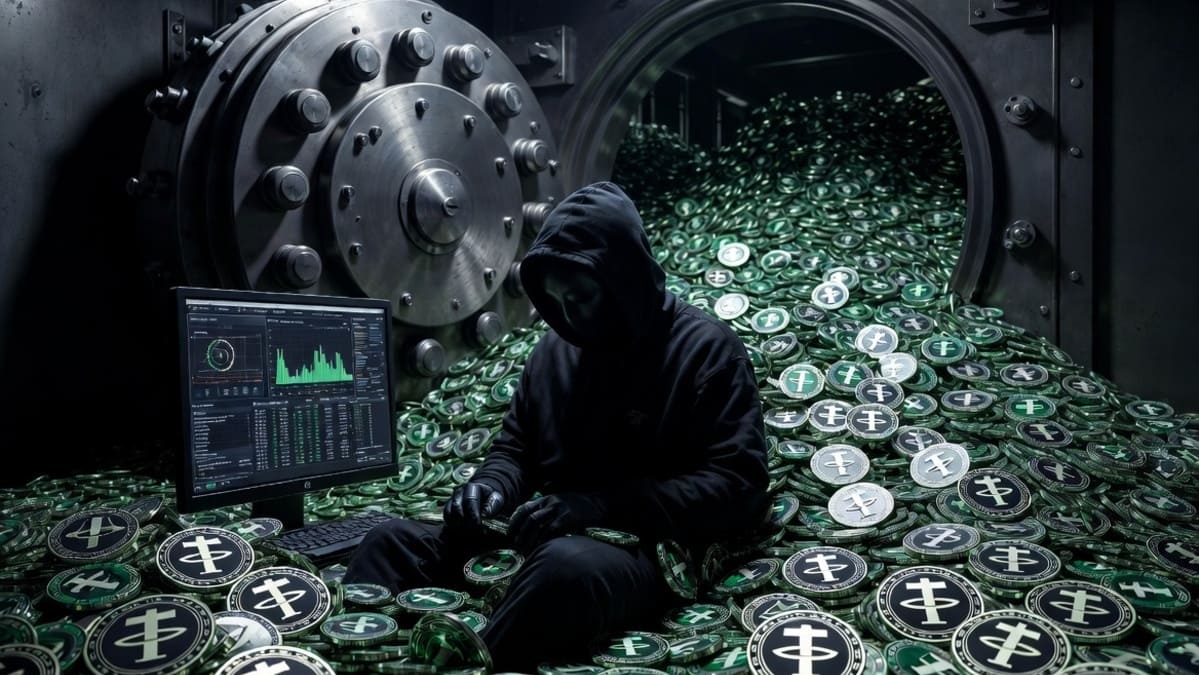
TL;DR: Blocksec uncovered a $1.6 billion Ponzi scheme that moved funds through USDT on the TRON network over 16 months. The VerilyHK platform posed as a

TL;DR A Bloomberg Intelligence strategist warns Bitcoin could fall to $10K, pointing to the unwinding of pandemic-era liquidity and an oversupply of competing tokens. He also

Stablecoins stopped being a technological promise at some point during 2025, though nobody organized a ceremony to mark it. There was no official announcement or memorable
TL;DR: Tempo integrated USDT0 to bring unified USDT omnichain liquidity to its Layer 1 network designed for on-chain payments at global scale. The network was incubated
TL;DR: Tether hired KPMG to conduct the first full audit of USDT and brought in PwC to prepare its internal systems. The review will cover assets,

