TL;DR:
- Stablecoins are gaining traction as low‑cost, rapid alternatives for global payments and remittances.
- Tokenized settlement enables 24/7, transparent on‑chain transfers and asset representations, challenging traditional financial infrastructure.
- As regulation and infrastructure improve, institutions are adopting crypto tools for global liquidity and operations, marking a structural shift toward real‑world crypto finance.
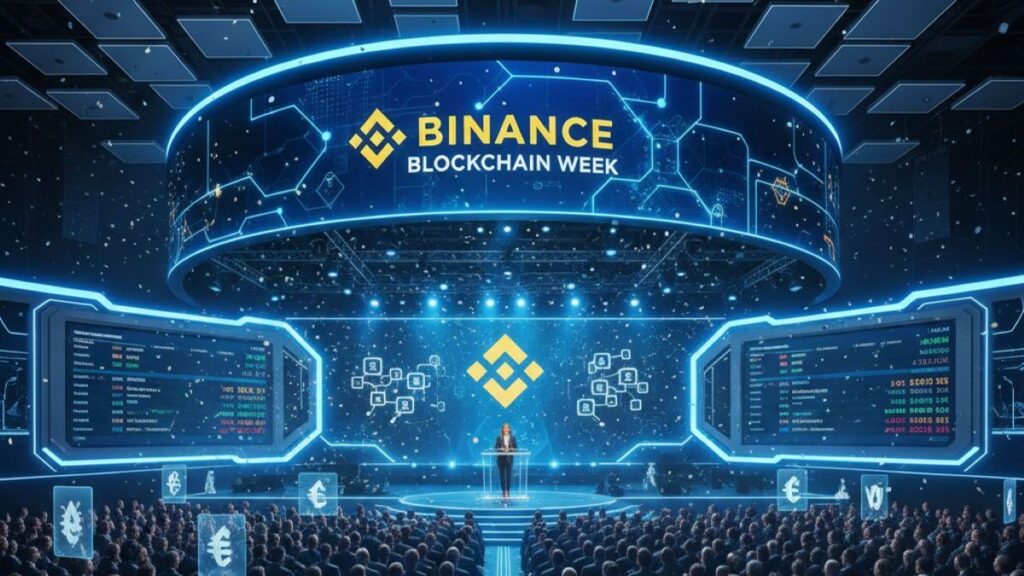
In a sweeping display of crypto’s maturation, stablecoins and tokenized settlement took center stage at the latest Binance Blockchain Week. From keynote speeches to panel debates, industry leaders emphasized how these tools are becoming foundational infrastructure — not speculative gadgets. Stablecoins are increasingly treated as essential rails for payments, remittances, and institutional flows, signaling a broader pivot from hype‑driven trading toward real‑world utility and financial integration.
A clear exploration of how stablecoins are evolving into a global financial utility and the infrastructure required to keep them secure, liquid, and accessible.
Moderated by @Tanzeel_Akhtar
Speakers:
🔸Sam Elfarra | Community Spokesperson | Tron DAO
🔸Daniel Lee | Head of Web3… pic.twitter.com/rhdqs3wr4D— Binance (@binance) December 4, 2025
What’s Driving the Shift: Utility, Speed, and Real‑World Use
Stablecoins are redefining cross-border transfers with speed and low cost. Panelists pointed out that legacy payment systems often deliver slow and expensive processing, especially for remittances and global commerce. With stablecoins, transfers settle almost instantly and at a fraction of the cost, making them a practical solution for users in underbanked or remittance-heavy regions. As adoption expands among both everyday users and institutions, demand is rising rapidly.
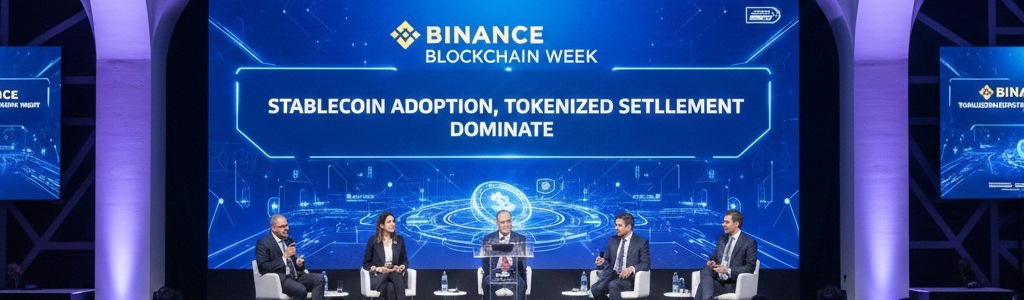
Tokenized settlement is transforming how assets and value are recorded and exchanged. By representing money and assets directly on blockchains, tokenization enables 24/7 settlement that is faster, more transparent, and less reliant on intermediaries. This on‑chain model promises to reduce friction in trade execution, custody, and cross‑border settlement — potentially bringing traditionally illiquid or slow-moving assets into efficient digital markets.
Institutional adoption grows as compliance and infrastructure evolve. As regulation, technical standards, and institutional-grade tools improve, companies are increasingly incorporating stablecoins and tokenized assets into treasury, payments, and liquidity operations. For organizations, these tools offer programmable, efficient means to move capital globally with real‑time visibility and reduced reliance on fragmented correspondent banking networks.
Regulatory scrutiny and infrastructure challenges remain but momentum is clear. Stablecoin issuance, custody, and redemption mechanisms are under close evaluation by regulators and financial institutions. Tokenization also depends on robust legal frameworks and reliable on‑chain infrastructure. Even so, the event’s tone was optimistic — many participants described innovation and governance as keys to building a sustainable, compliant crypto‑driven financial layer.
The crypto industry appears to be entering a new era — one defined by function more than speculation. The shift toward stablecoins and tokenized settlement reflects a larger transformation. As markets mature, the focus is increasingly on building real‑world financial systems that leverage blockchain efficiency, transparency, and speed.