TL;DR:
- The security firm SlowMist discovered a critical vulnerability affecting developers within the network.
- The malicious component has the technical capacity to externally transfer and store users’ seed phrases, affecting the infrastructure.
- The report urges the community to immediately review installed dependencies in local repositories to mitigate operational risks.
The SlowMist team managed to detect a critical vulnerability within the development ecosystem. They reported that a malicious dependency integrated into the Injective SDK was identified, which compromised security by extracting wallet private keys.
They detailed that the malicious code operates stealthily during the compilation phase. Developers who integrate this technical package unintentionally expose user access. Information from SlowMist suggests that the attack does not exploit a native blockchain flaw, but rather exploits the software supply chain by inserting unauthorized external scripts.
The detection of this attack vector coincides with a period of high technical activity within the network. According to the firm’s report, the attackers designed the infected library to intercept wallet generation functions. Once the developer compiles the working environment, the malicious component collects the sensitive information.
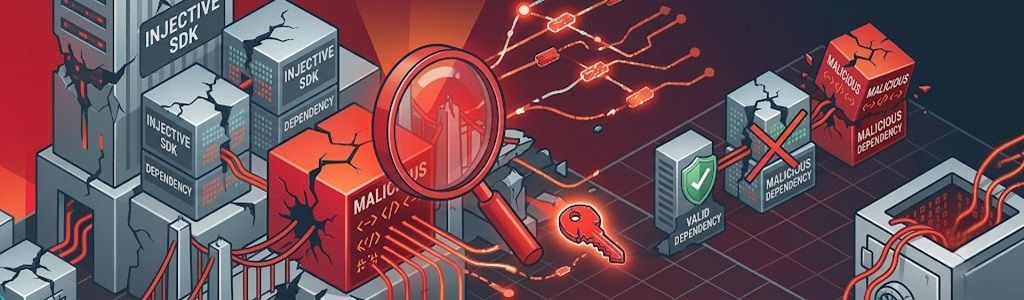
Structural vulnerability in crypto infrastructure
With this event, the risks associated with managing open-source packages on decentralized platforms were highlighted. Previous reports from the technical sector indicate that supply chain attacks in Web3 environments increased over the last year. This forces development teams to implement continuous audits and cryptographic signatures on every imported module.
Security in the initial development phases determines the resilience of the entire protocol against phishing or code injection incidents.
The technical documentation of the case reflects that the compromised module redirects the extracted data to servers controlled by third parties. According to SlowMist’s initial assessment, platforms that do not immediately update their software environments could face incidents of loss of funds. The analysis team recommended replacing the affected library with verified official versions in the main repositories.
This finding directly impacts the risk assessment criteria of compliance and corporate audit teams. The market’s transition toward institutional standards requires programming interfaces to undergo comprehensive reviews prior to their commercial deployment. The response of the developer community and the subsequent release of security patches will determine the definitive containment of this exploitation vector in the coming hours.