

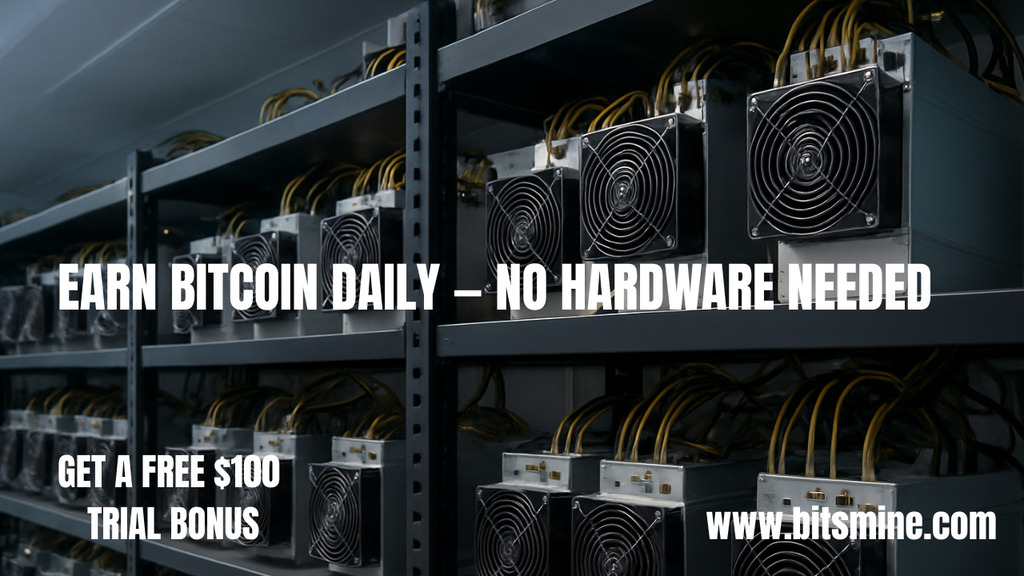
Interest in cloud-based bitcoin mining services has grown as some users look for alternatives to running their own mining hardware. These services typically offer access to mining capacity through contracts or hosted infrastructure, which may reduce the need to manage equipment and electricity directly. However, cloud mining also introduces counterparty and operational risks, and regulatory status can vary by jurisdiction and change over time. The need for transparent and US-compliant cloud mining platforms is often cited by users who prioritize legal clarity and disclosures.
This article reviews six services that market cloud-mining, hosted mining, or hashpower products and are commonly used by U.S.-based customers. Readers should independently verify any compliance claims, contract terms, fee structures, and eligibility requirements before using a service.
1. Bitsmine
Bitsmine is a cloud-mining service that advertises contract-based access to bitcoin mining and related account tools. As with similar services, outcomes can vary based on factors such as network difficulty, bitcoin price, fees, and service uptime.
Reported Features (per the platform)
- States it follows AML/KYC-related policies
- Contract dashboards and tracking features described as real-time
- Payout schedules described as daily (subject to terms and conditions)
- Entry-level contract options marketed to new users
- Mining hardware and infrastructure described as ASIC-based
- A “Free $100 trial bonus” is described in the platform’s marketing materials (eligibility and terms may apply)
The platform also publishes performance-related information and contract details; readers should treat any figures shown as service-provided data rather than a guarantee of future results.
Key Contract and Service Considerations
- Fee disclosures and maintenance charges vary by provider and by contract; users should review the full terms before participating
- Service availability and uptime can affect results and may differ from historical performance
- Customer support channels and response times may vary by region and account status
Account Setup and Contract Selection (as described by the platform)
Bitsmine describes an onboarding process that includes account creation and verification, followed by selecting a mining contract. The service also describes withdrawal rules that may include minimum thresholds and standard network fees. Readers should review the current terms, restrictions, and risk disclosures on the service’s website.
2. Compass Mining
Compass Mining offers mining hosting services and contract-based access to mining capacity. The company markets options that may involve owning or renting hardware hosted at specific facilities, depending on the product and availability.
Reported Features
- Facility and hosting information presented as location-specific
- Options marketed as hardware ownership or rental, depending on the plan
- Compliance and auditing references appear in company materials (readers should confirm details independently)
- Products are often framed as targeting larger-scale mining participation
3. NiceHash
NiceHash is primarily a hashpower marketplace rather than a traditional cloud-mining contract provider. It allows customers to buy or sell computing power, which can be used for mining-related activity depending on the selected product and settings.
Why NiceHash is Popular
- Options that may not require long-term contracts
- Ability to obtain hashpower on demand, subject to market availability
- Dashboard tools intended for a range of user experience levels
- Estimation tools that may help model costs and potential outcomes (not predictive)
4. Bitdeer
Bitdeer provides mining-related services that may include contract-based mining products and hosting. The company operates mining sites in multiple locations and markets different contract types to users with varying budgets and risk tolerance.
Reported Features
- Multiple plan tiers marketed for different spending levels
- Hardware allocation and contract details presented within user accounts
- Security and operational disclosures described in company materials
5. ECOS Mining
ECOS is a cloud-mining provider that says it has operated since 2017. The company states that it runs mining operations in Armenia’s Free Economic Zone and offers BTC cloud-mining contracts, among other products.
Reported Features
- Mining facilities and operational claims described by the company
- BTC cloud-mining contracts offered as a primary product
- Mobile app availability
- Contract durations marketed as short-term and long-term
- Profitability/contract calculators presented as estimates rather than guarantees
6. StormGain
StormGain markets a BTC cloud-mining feature accessible via mobile and desktop. As with similar app-based offerings, users should review the product’s terms, limitations, and any related fees or conditions, including how and when balances can be withdrawn.
Reported Features
- Mobile-first experience
- In-app mechanisms that may affect accrual rates, depending on usage and terms
- Integration with additional crypto-related services within the app
How to Choose a Cloud Mining Platform (Compliance and Risk Factors)
Before using any service, consider the following factors:
Regulatory Transparency
Review what the provider discloses about licensing, KYC/AML procedures, eligibility for U.S. users, and the legal entity operating the service. If information is unclear, consider seeking independent guidance.
Operational Verifiability
Look for concrete disclosures about facilities, equipment, and how mining results are measured. Be cautious of claims that cannot be independently verified.
Clear Payout and Withdrawal Rules
Understand payout schedules, minimum withdrawal thresholds, fees, and the circumstances under which withdrawals can be delayed or restricted.
Fees and Contract Terms
Cloud-mining economics are sensitive to fees, difficulty changes, and bitcoin price movements. Avoid services with vague or incomplete fee disclosures.
Long-Term Sustainability and Counterparty Risk
Cloud mining involves relying on a third party for operations and payouts. Consider counterparty risk, operational risk, and the possibility that a service may change terms or discontinue products.
Conclusion
Cloud mining can offer a way to participate in bitcoin mining without running hardware, but it also introduces significant risks and does not guarantee returns. The services listed above differ in structure (hosting, contracts, or marketplaces), disclosures, and eligibility. Readers should review terms carefully and treat any performance figures or calculators as non-predictive.
This article is for informational purposes only and does not constitute financial or investment advice. This outlet is not affiliated with the project mentioned. Crypto Economy is not affiliated with any of the platforms mentioned. We recommend that our readers conduct thorough research before using any service, as these types of products may involve certain risks associated with the crypto sector.

