TL;DR:
- Actors and Dates: The original domain, seized by the FBI in August 2025, was reactivated on March 3, 2026, under the registrar NameCheap.
- Security Risk: Criminals are using the wallet’s original aesthetic to distribute malicious software and steal Bitcoin funds from unsuspecting users.
- Legal Context: The platform’s founders are currently serving four and five-year prison sentences following U.S. judicial proceedings.
This Monday, it was confirmed that malicious actors have reactivated the official Samourai Wallet domain, sparking alarms across the crypto market. What was once a leading privacy portal is now a sophisticated phishing trap impersonating the brand to compromise digital assets.
Records show that the site was confiscated by the Department of Justice in 2025, but the Site24x7 database confirms the URL is active once again. This comeback occurs while founders Keonne Rodriguez and William Hill serve prison time for money laundering charges involving over $2 billion in transfers.
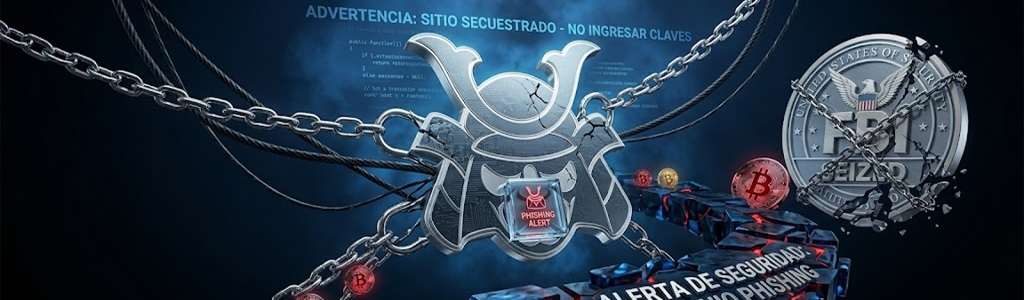
The Legal Loophole Enabling Bitcoin Phishing
Cybersecurity experts highlight the irony of an infrastructure previously under federal control ending up in the hands of scammers. The community on X has reported the case to NameCheap, requesting an immediate domain suspension to prevent more users from downloading infected software versions.
For years, this wallet stood out for tools like Whirlpool and Ricochet, designed to break transaction tracking via CoinJoin. However, following the shutdown of operations in 2024 and the subsequent FBI raid in Pennsylvania, a lack of administrative maintenance on the domain appears to have facilitated this digital “hijacking.”
In summary, the Samourai Wallet case clearly illustrates how vulnerable brands become after state interventions. Users must refrain from interacting with the current site, as any download or entry of recovery seeds will result in the total loss of funds within an active scam environment.