

Market narratives in crypto can shift quickly, and projects often compete to solve similar problems in different ways. One recent comparison that has circulated online is Ripple (XRP) versus Digitap ($TAP), which is running an early-stage token sale.
Ripple popularized the idea that blockchain-based rails could improve cross-border settlement. More recently, stablecoins have also been used for payment and remittance use cases. Digitap describes its product as a consumer-focused money app that supports both fiat and stablecoins in one interface, though availability and features may vary by jurisdiction and user eligibility.
This article does not rank assets or recommend purchases. It summarizes publicly stated product claims and broader industry themes that readers can evaluate independently.
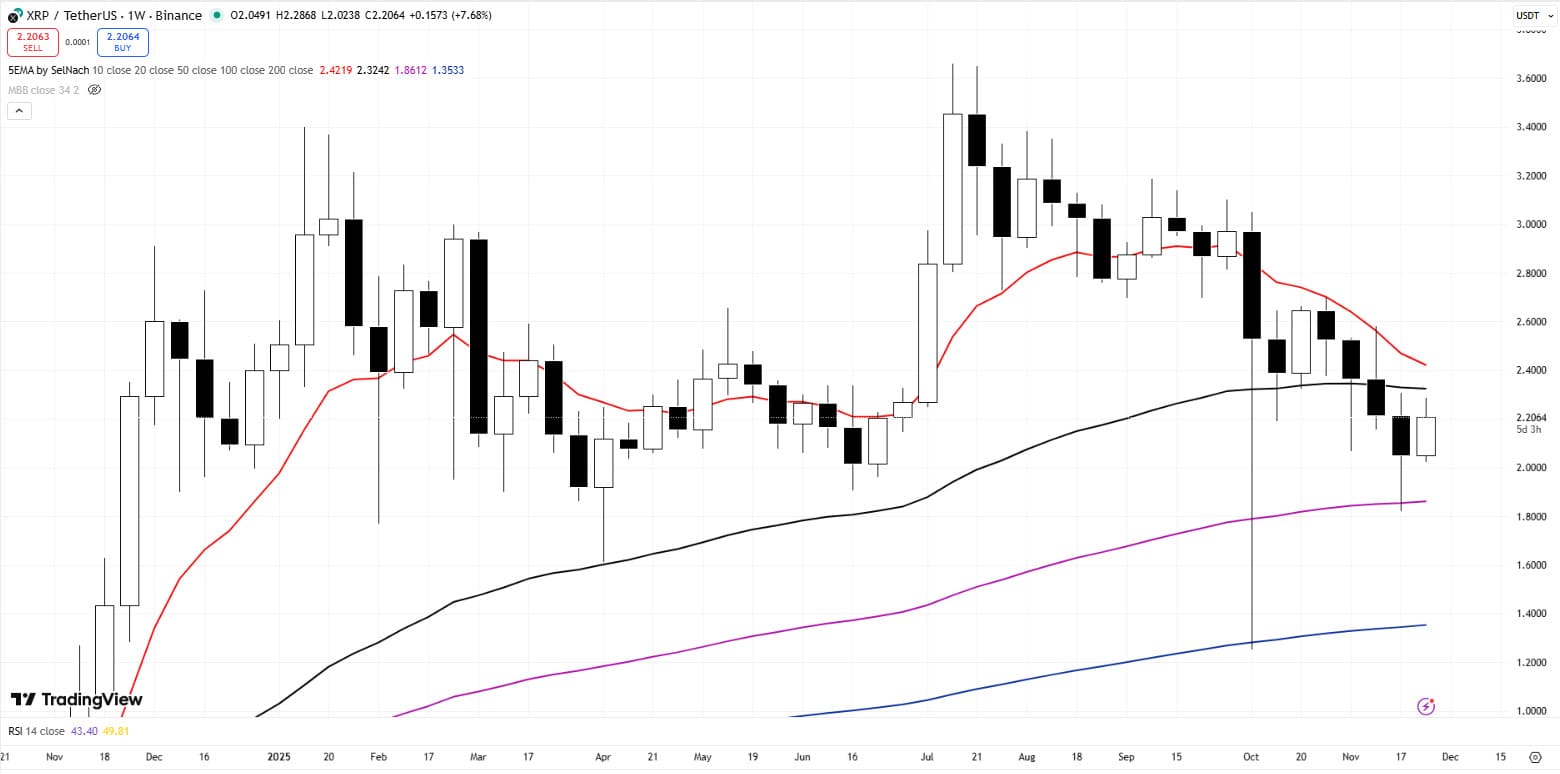
Ripple (XRP): An Early Cross-Border Payments Thesis
Ripple’s original thesis focused on reducing friction in correspondent banking, where cross-border transfers can be slow and costly. XRP has often been discussed as a proxy for that theme.
Cross-border payments and related flows are frequently described as a very large market. Some estimates place annual cross-border transaction volumes in the hundreds of trillions of dollars, though methodologies differ and figures can vary widely depending on what is included.
In parallel, stablecoins have grown as a tool for transferring value across networks and platforms. Whether this represents a durable shift in how cross-border settlement is implemented remains an open question and depends on regulation, liquidity, compliance requirements, and adoption by users and institutions.
Digitap ($TAP): A Consumer-Focused Money App (Project Description)
Digitap positions itself as a consumer product built around stablecoin and fiat functionality. According to the project, the app is available on iOS and Android and is designed to let users manage multiple currencies and supported crypto assets from a single dashboard.
Marketing materials describe a card product intended to enable spending from balances held in the app. Any card issuance, onboarding requirements, identity checks, and geographic availability depend on the relevant provider and local regulations.
Comparisons to well-known fintech and exchange apps are common in project marketing; however, product scope, licensing, and risk profiles can differ substantially across providers.

How Digitap Says It Approaches Cross-Border Transfers
Cross-border payments can involve several intermediaries and fees. Some industry reports cite average remittance costs in the mid-single digits, though costs vary by corridor and provider. Digitap says its architecture can route transactions over different rails, including public blockchains, depending on the use case.
Any claims about cost reductions or settlement times should be treated as project-reported and may depend on network conditions, counterparties, compliance checks, and the specific payment route.
XRP and $TAP: Different Stages, Different Risk Profiles
XRP is an established crypto asset that has been traded for years, while $TAP is associated with an early-stage token sale described by Digitap. These categories typically carry very different liquidity, disclosure, and risk considerations.
Project materials also describe token-related mechanics (including incentives and supply changes). Readers should treat such descriptions as unverified until supported by independent documentation, audits, and clear legal disclosures.
Project website (for reference): https://digitap.app
Social link (for reference): https://linktr.ee/digitap.app
This article is for informational purposes only and does not constitute financial or investment advice. This outlet is not affiliated with the project mentioned.

