

Polkadot (DOT) has outlined a 2.0 upgrade that includes elastic scaling and the JAM protocol, aiming to improve interoperability and developer tooling. Meanwhile, BlockDAG (BDAG) is promoting a separate roadmap and says it has raised more than $414 million through a token sale, sold more than 26.4 billion tokens, and expanded its marketing efforts.
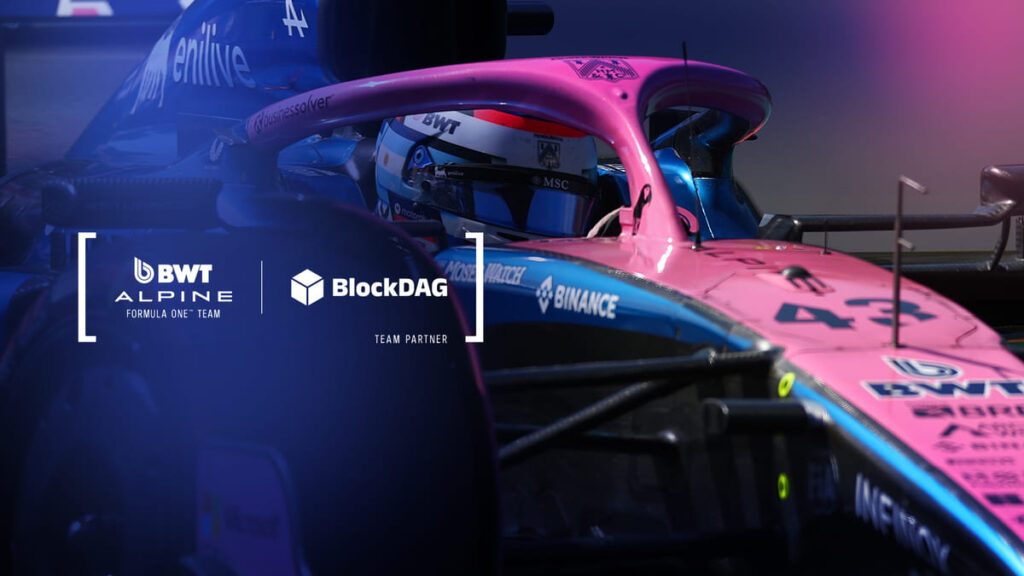
According to the project’s public materials, the token sale price is listed at $0.0013 in what it describes as “batch 30,” and the project has announced a sponsorship with the BWT Alpine F1® Team intended to increase brand visibility. As Polkadot focuses on technical milestones, BlockDAG appears to be emphasizing awareness-building alongside its protocol claims. This comparison highlights two different approaches to developer and user outreach going into 2025.
BlockDAG Builds a Feedback Loop Between Protocol and Visibility
BlockDAG’s partnership announcement with the BWT Alpine F1® Team signals a push for broader recognition outside crypto-focused audiences. The project has described branding at races, fan experiences during Grand Prix weekends, and appearances at events such as Token2049 as part of its visibility strategy.
The project’s stated idea is that higher-profile exposure can lead to more attention from potential users, developers, and media outlets. How effectively that translates into ecosystem adoption is uncertain and would depend on product delivery, developer activity, and market conditions.

In general, some projects prioritize protocol development, while others put more emphasis on marketing and partnerships. BlockDAG’s approach, as presented by the project, attempts to combine both, though results are not guaranteed and independent verification is limited.
Polkadot’s Technical Evolution Continues With 2.0 and Asset Hub
Polkadot (DOT) is widely known for its focus on cross-chain interoperability. Its roadmap has included updates aimed at easing dApp deployment and refining governance. Polkadot 2.0 has been associated with JAM (Join-Accumulate Machine) and elastic scaling, positioning these changes as performance and developer-experience improvements across parachains.
In addition, components such as Snowbridge and Asset Hub have been presented as ways to simplify asset transfers between Ethereum and Polkadot-based chains. These efforts target usability and integration challenges that can affect ecosystem growth.

Even when major protocol updates are announced, broader awareness can lag behind technical progress. Market commentary about DOT often reflects a mix of product developments, macro conditions, and investor sentiment, rather than technical milestones alone.
Traction vs. Technology: What the BWT Alpine Sponsorship Signals
While Polkadot’s messaging typically centers on architecture and developer tooling, BlockDAG is also emphasizing brand visibility through its F1® partnership announcement. Such sponsorships can increase reach, but they do not, by themselves, validate technical claims or ensure adoption.
BlockDAG describes itself as a DAG-based Layer 1 network designed for scalability and dApp deployment. As with any early-stage crypto network, the practical impact of these design choices depends on implementation, security, and developer uptake over time.
The project’s materials also cite fundraising totals and token sale pricing, but these figures are project-reported and should not be interpreted as indicators of future performance. Crypto assets can be volatile, and outcomes can differ substantially from expectations.
Evaluating the Utility Behind the Keywords
Looking ahead, both developer adoption and user demand will likely influence how Polkadot’s upgrades are reflected in network activity and market perception. Visibility can matter, but so can reliability, tooling, and real-world usage across applications.
BlockDAG’s strategy, as described by the project, starts with broader marketing exposure and then attempts to convert attention into community and developer participation. Whether that approach is effective will depend on delivery, transparency, and sustained product progress.
Conclusion
Polkadot and BlockDAG illustrate two different paths that crypto projects take when trying to grow ecosystems. Polkadot continues to emphasize protocol upgrades and cross-chain functionality. BlockDAG, meanwhile, is pairing technical positioning with a high-profile sponsorship and a token sale narrative reported by the project.
For readers tracking multiple networks, the key distinction is not only what is being built, but also how development progress, security, and real usage can be independently assessed over time.

Project website (for reference): https://blockdag.network
This article contains information about a cryptocurrency token sale. This outlet is not affiliated with the project mentioned. This article is for informational purposes only and does not constitute financial or investment advice.

