TL;DR:
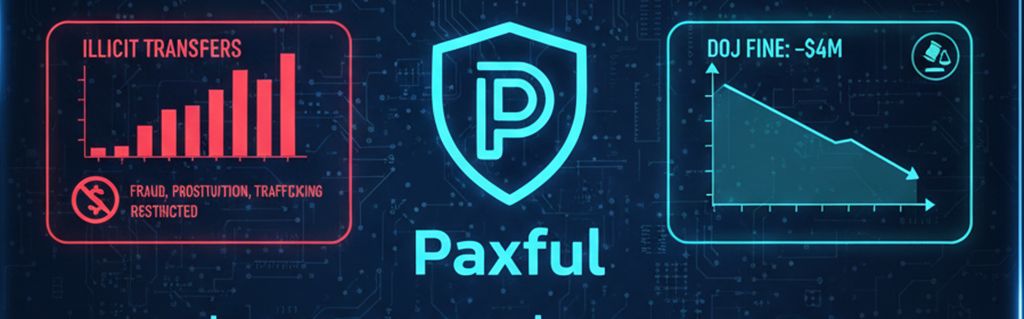
- The Department of Justice sentenced Paxful Holdings Inc. to pay a million-dollar fine for lacking effective anti-money laundering controls.
- Prosecutors revealed the platform knowingly profited from transfers linked to extortion, fraud, and sex trafficking between 2015 and 2022.
- While the initial penalty was estimated at $112 million, the amount was reduced due to the company’s financial inability to cover the total.
United States authorities have imposed a Paxful money laundering fine. According to the Department of Justice statement, the company allowed criminals to move illicit funds by taking advantage of the deliberate absence of regulatory compliance programs and identity verification processes.
Investigations revealed that the platform attracted users linked to criminal activities by actively promoting its lack of controls. In doing so, Paxful facilitated the movement of capital from prostitution and human trafficking networks, ignoring federal laws that regulate digital currency exchange.
In fact, prosecutors pointed out that the company’s founders were aware of these operations, even referring to the platform’s growth as the “Backpage Effect.” This term made direct reference to a website used for sexual exploitation advertisements, which generated millions of dollars in profits for the exchange.
The End of an Era and Consequences for the Founders
Co-founder Artur Schaback pleaded guilty last year, in the midst of the legal process, for failing to maintain an effective “Know Your Customer” (KYC) program. On the other hand, the company itself pleaded guilty last December, after having suspended its commercial operations since 2019 due to regulatory pressure.
Based on an independent analysis of the entity’s finances, the Department of Justice determined that the firm did not have the solvency to face a larger penalty. Therefore, the sanction was set at $4 million, closing a dark chapter on the responsibility of exchanges in preventing financial crime.
In summary, this case highlights the importance of strict regulation to prevent the crypto ecosystem from being used as a tool for exploitation and fraud. The market will closely monitor whether these legal actions manage to deter other platforms from neglecting their security protocols in favor of rapid and unethical growth.