

Mutuum Finance is positioning itself as a DeFi project focused on becoming a liquidity layer for on-chain real-world assets. However, much of what it describes publicly appears to remain in development, leaving limited verifiable detail on how the protocol will operate in practice.
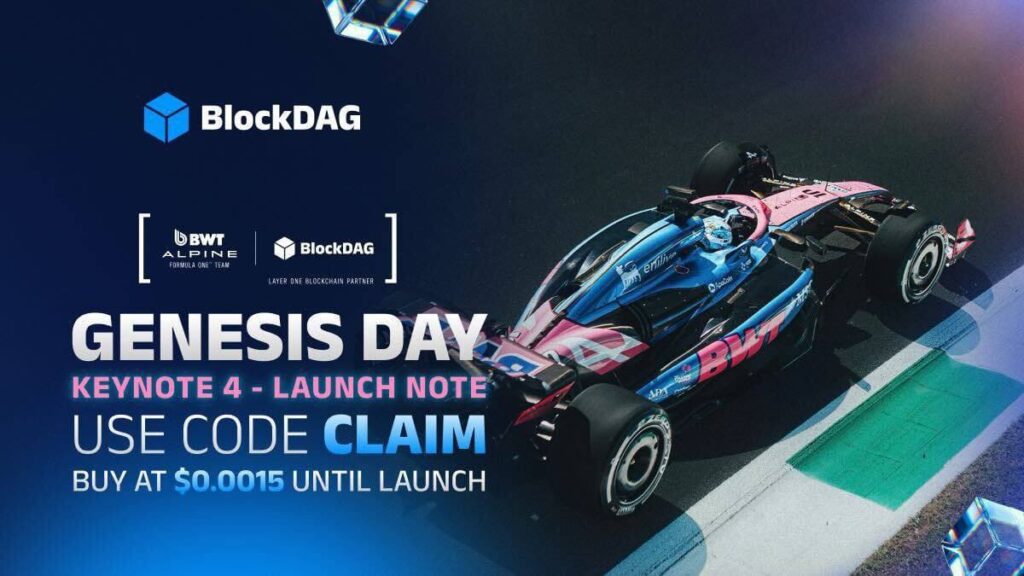
BlockDAG, by contrast, points to upcoming milestones tied to its token-sale campaign and planned network events. The project states it has raised more than $420 million and sold 27 billion coins; these figures are project-reported and are not independently verified here. BlockDAG has also promoted “CLAIM Day” and “KEYNOTE 4” as events connected to its planned transition from fundraising to a live network. The comparison below focuses on the difference between stated DeFi objectives and the extent of publicly observable deployment progress.
Mutuum Finance: DeFi Without Deployment
Mutuum Finance describes itself as a future liquidity hub for tokenized real-world assets. Its messaging focuses on enabling lending, borrowing, and trading of on-chain assets tied to off-chain value. At the time of writing, the project’s materials emphasize planned functionality, and key technical details and implementation status are not fully observable from the information provided in this article. People considering participation in any token sale generally rely on public documentation, code availability, audits, and demonstrable product usage to assess maturity.

Projects that aim to bridge on-chain activity with real-world assets often face significant technical, legal, and operational constraints before a product can be used broadly. In this context, Mutuum Finance appears to be at an early stage where marketing and fundraising activity may be more visible than a deployed protocol.
BlockDAG: Infrastructure That Works Now
BlockDAG has promoted a set of planned milestones, including “CLAIM Day” and “KEYNOTE 4,” which it presents as part of a shift from a token-sale phase toward an operational network. Because such announcements are forward-looking, readers typically look for independent indicators—such as open-source repositories, third-party audits, and sustained network activity—to evaluate whether a blockchain is live and functional beyond project communications.
The project has also highlighted a marketing partnership with the BWT Alpine F1® Team. Partnership announcements can increase visibility, but they do not by themselves confirm technical performance or long-term adoption.

BlockDAG’s promotional materials state it has raised more than $420 million and sold more than 27 billion coins as part of a multi-batch token sale. The project has also referenced changes in token-sale pricing between early and later batches; such figures are not the same as verified market performance and should not be interpreted as a guarantee of returns.
DeFi Vision vs Deployment Updates
The core difference between Mutuum Finance and BlockDAG, based on the information presented here, is how each project communicates its current status. Mutuum Finance emphasizes a future DeFi model for tokenized real-world assets, but its publicly described product details appear to be largely forward-looking.
BlockDAG, meanwhile, has centered its messaging on planned activation-related events, including “GENESIS Day” and “KEYNOTE 4,” as well as fundraising and distribution figures that it reports. As with any project-led milestones, independent verification and real-world usage are important for assessing whether an ecosystem has moved beyond promotional announcements.
For readers comparing early-stage crypto projects, it can be useful to distinguish between (1) stated goals and marketing claims and (2) evidence of live, sustained functionality such as deployed code, audits, network metrics, and third-party integrations.
Key points to consider
Mutuum Finance reflects an early-stage DeFi concept focused on real-world-asset tokenization, but the extent of deployed infrastructure is not demonstrated within the information included here.
BlockDAG’s communications emphasize upcoming activation milestones and a token-sale campaign, including fundraising and distribution numbers it reports. Those figures and timelines remain project-provided information and may change; they do not establish investment suitability or future performance.
Readers assessing either project may want to review primary documentation, audit reports (if available), code repositories, and any independently verifiable indicators of live usage.

Project website (for reference): https://blockdag.network
Telegram (project channel): https://t.me/blockDAGnetworkOfficial
This article is for informational purposes only and does not constitute financial or investment advice. This outlet is not affiliated with the project mentioned.

