

Black Friday Week has become a period when some crypto projects run short-term marketing promotions around token sales. This year, attention has centered around Mono Protocol, which says it is offering a promotional incentive described as a “100% bonus” for participants in its token sale.
According to the project, the incentive increases the token allocation associated with a purchase. Terms, eligibility, and distribution mechanics are determined by the project and may change.
Interest in the promotion has also drawn attention to Mono’s stated product focus across DeFi and web3. Readers should note that early-stage token sales can involve significant risk and incomplete information.
Mono Protocol overview and the technology behind the token sale
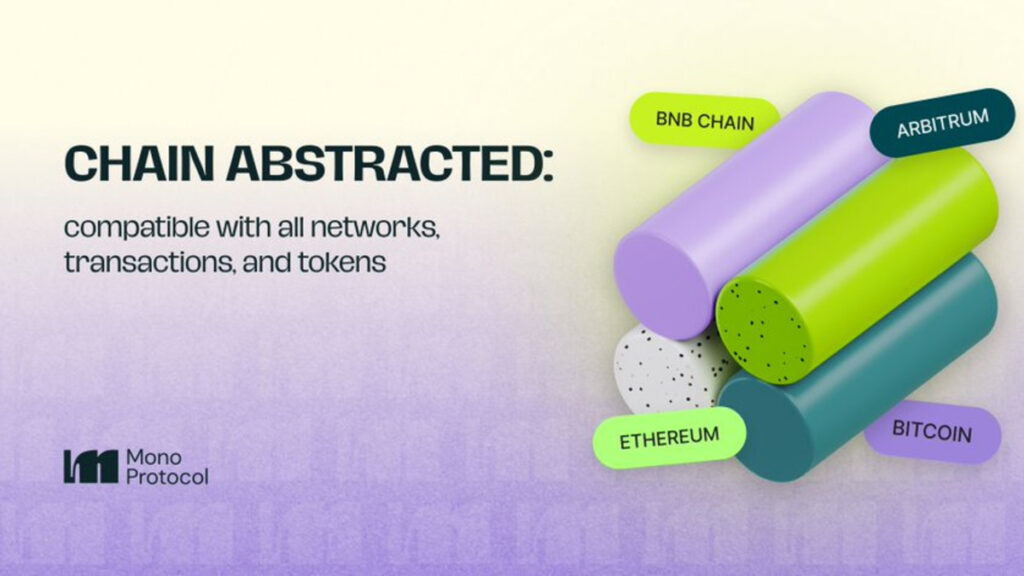
Mono Protocol describes itself as a cross-chain ecosystem intended to connect multiple blockchain networks so assets and transactions can move between them. The project says this design aims to reduce friction for users interacting across chains, including during fundraising phases such as a token sale.
Mono has attracted attention from some market observers because it emphasizes utility and interoperability in its public materials, rather than focusing solely on price speculation.
The project says it has raised funding to date, though readers should rely on primary documentation and independently verified disclosures when assessing any fundraising claim.
Participants evaluating early-stage token projects often look for clear disclosures around token distribution and product plans. Mono’s materials include a token allocation breakdown and a description of its intended functionality.
Rewards Hub: project-described engagement features during the token sale
Mono Protocol introduces what it calls a “Rewards Hub,” described as a space for community activities and tasks. The project says it may include referrals, quests, and promotional codes that can be redeemed for additional MONO under project-defined terms.
As described by Mono, these features are intended to support engagement across DeFi and web3 communities. Promotional incentives are marketing tools and should not be interpreted as indicators of future performance.
Mono states that, during Black Friday Week, it is offering a “100 percent bonus” that increases allocations associated with purchases, with no additional requirements. Readers should review the project’s published rules for any limits, vesting, lockups, or eligibility conditions.
The project says Black Friday Week runs from 24 to 30 November and references an upcoming token generation event (TGE). Mono also states it has raised $3.5M.
Mono lists a token sale price of $0.0525 in its materials. Any discussion of potential “launch value” is speculative and uncertain, and outcomes may differ materially from expectations.
Overall, Mono presents the Rewards Hub as a structured participation layer for its community; readers should treat these descriptions as project-reported unless independently verified.
Cross-chain technology and interoperability claims
Cross-chain connectivity is presented by Mono as a core feature. The project says it aims to support operations across multiple networks, which it argues can be relevant for DeFi and web3 applications.
Many on-chain systems are limited to a single network, which can add complexity when moving assets. Mono claims its approach reduces some of these barriers by enabling transfers and liquidity management across chains, though actual performance depends on implementation and market conditions.
For readers assessing early-stage projects, practical use cases and technical documentation are typically more useful than generalized market narratives. As with any cross-chain design, security assumptions, bridge architecture, and operational risk are important to evaluate.
Mono frames its work as focused on accessibility and user experience. These are stated goals rather than guarantees, and users should consider the risks involved in interacting with new protocols.
Mono token allocation (project-reported)
Mono provides a token allocation model in its public materials. This section summarizes those figures as presented by the project and should not be read as a guarantee of future governance decisions or market outcomes.
Token sale allocation is 50 percent. Liquidity stands at 10 percent. Marketing receives 10 percent. Team allocation is 5 percent. Treasury and Governance are 5 percent. Strategic Reserve takes 5 percent. Ecosystem Incentives receive 5 percent. User Rewards gain 5 percent. The Private Round holds 5 percent.
Readers typically review vesting schedules, lockups, and any disclosures on supply changes alongside allocation percentages when assessing token distributions.
Conclusion
Mono Protocol’s Black Friday Week promotion has brought attention to the project’s token sale and its stated focus on cross-chain interoperability. The project is positioning its Rewards Hub and technical design as part of its broader DeFi and web3 roadmap.
As with any early-stage token sale, key considerations include the completeness of technical documentation, security posture, allocation and vesting details, and the broader market risks associated with newly issued tokens.
Project links (for reference):
Website: https://monoprotocol.com/
X: https://x.com/mono_protocol
This article is for informational purposes only and does not constitute financial or investment advice. This outlet is not affiliated with the project mentioned. As with any initiative within the crypto ecosystem, readers should do their own research and carefully consider the risks involved.

