

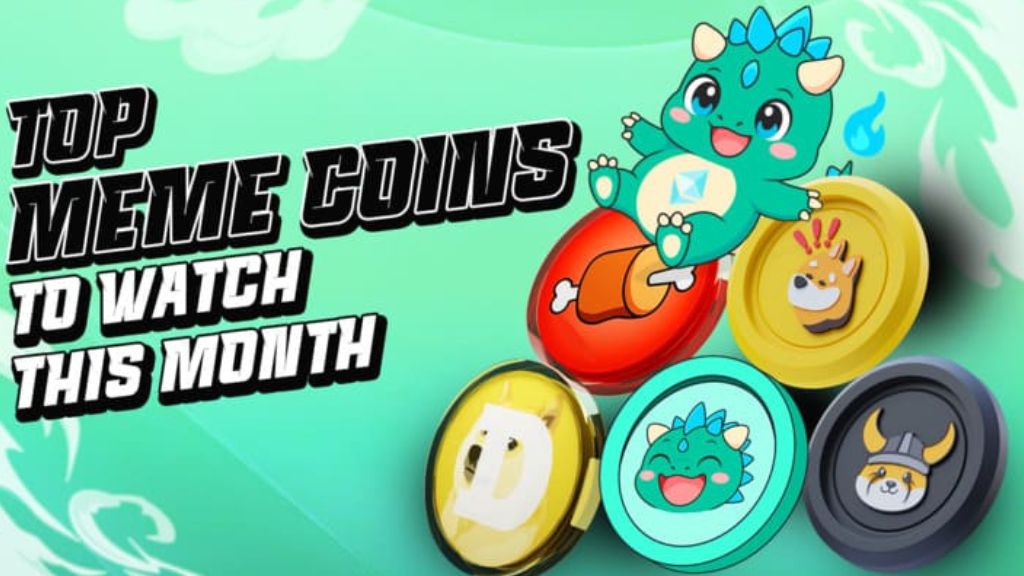
Bonk has drawn renewed attention across the crypto market, prompting some market participants to discuss whether another wave of new meme tokens could emerge. Recent meme-token launches often pair internet culture with token-supply mechanics, staking features, and narrative branding, though outcomes vary and risks remain high.
Several newer projects are being discussed for their token-supply designs and community incentives. This article summarizes publicly described features (such as token burns, staged pricing, staking, and referral programs) and highlights points readers may want to verify independently before engaging with any token.
In the meme-token segment, new token-sale projects continue to appear alongside established tokens. The sections below describe a handful of names frequently mentioned in recent online discussions, without implying future performance.
BullZilla: Overview of the project’s token-sale structure
BullZilla ($BZIL) is one of several projects conducting a multi-stage token sale. According to figures presented in the project’s materials, it lists a staged price, reported fundraising totals, a reported holder count, and the number of tokens sold to date. These numbers are not independently verified here and may change over time.
A central feature described by the project is a “Roar Burn Mechanism,” in which tokens from a designated reserve are permanently destroyed at defined milestones to reduce circulating supply. The project frames each burn event as part of an on-chain and social-media narrative.
The project also describes a staking feature (referred to as the “HODL Furnace”) and a referral program. Incentives such as staking yields and referrals are marketing and distribution tools and do not guarantee returns; readers typically need to assess token-emission schedules, lockups, and other terms to understand how such programs might affect supply and price dynamics.
Bonk: A meme token shaped by community branding
Bonk (BONK) has roots in meme culture, with a dog-meme aesthetic and community-led branding. It draws on themes common to earlier meme tokens while emphasizing community engagement.
Bonk’s challenges can include limited transparency around token distribution and a market profile that may be sensitive to sentiment shifts. Some meme tokens attempt to add mechanics such as transaction taxes, redistribution, or burn functions; however, the presence of such mechanisms does not, by itself, establish utility or long-term demand.
MoonBull (MOBU): Staking and tokenomics features
MoonBull describes itself as a meme-themed project with structured tokenomics. Project materials say MOBU is built on Ethereum and includes reflections, auto-liquidity mechanics, and a multi-stage scarcity model. The project also mentions staking yields (including a stated figure of up to 95% APY in some materials), referral bonuses, and locked liquidity; these claims should be verified independently.
The project describes progressive stages intended to affect scarcity, alongside transaction mechanics that may add to liquidity or burn portions of tokens depending on how the smart contract is configured.
MoonBull’s materials also reference auditing and liquidity-lock arrangements. Where such claims are made, readers can typically look for third-party audit reports and on-chain evidence of liquidity locks, noting that audits and locks do not remove all technical or market risks.
La Culex (CULEX): Meme branding with structured tokenomics
La Culex is presented by the project as a meme-branded token with a staged token-sale model and tokenomic rules intended to manage supply.
Project materials describe multiple sale stages with stepwise price changes and include a stated target for a future exchange listing. They also describe staking yields (including figures such as 80% APY in some materials) and a referral reward program, alongside claims of zero transaction tax, audited contracts, and locked liquidity. These statements are project-reported and should be treated as unverified unless corroborated by independent sources and on-chain data.
Dogecoin (DOGE) – An early meme-themed cryptocurrency
Dogecoin is where the meme coin phenomenon began. Launched in 2013 as an internet joke, it grew into one of the most widely recognized cryptocurrencies, supported by an active community and periodic high-profile attention.
However, its inflationary issuance model affects scarcity and can influence how market participants evaluate long-term supply dynamics compared with fixed-supply or aggressively deflationary tokens.
PEPE (PEPE) – A widely discussed meme-themed token
PEPE attracted attention by tying a widely recognized meme to a crypto token, which helped it build a large online following in a short time.
Built on Ethereum, PEPE is commonly described as a no-tax, community-driven token. Like many meme tokens, it can be highly volatile, and features such as burns or perceived scarcity do not ensure sustained demand.
FARTCOIN (FARTCOIN) – A meme token often associated with high volatility
FARTCOIN is another example of a meme token that relies primarily on branding and community attention. In practice, price formation in this segment can be heavily influenced by social-media trends, liquidity conditions, and exchange availability.
Projects in this category are often described as community-driven; readers may want to review distribution, liquidity, and contract controls to understand risks.
Conclusion
Meme tokens can blend culture and experimentation with on-chain mechanics such as burns, staged token sales, staking, and referral incentives. The examples above span established tokens (such as DOGE and PEPE) and newer projects that advertise token-sale and incentive structures (such as BullZilla, MoonBull, and La Culex). None of these features, on their own, indicates future performance.
Because meme-token markets can move quickly and liquidity can change abruptly, readers typically benefit from reviewing smart-contract details, independent audits (where available), liquidity-lock evidence, and token-allocation terms before taking on risk.
Reference link
BullZilla website (for reference): BZIL Official Website
Frequently Asked Questions
Can newly launched meme tokens see significant price moves after listing?
Outcomes are uncertain and can vary widely. Post-listing performance depends on liquidity, distribution, exchange access, broader market conditions, and whether demand persists beyond initial attention.
Are very high staking yields sustainable?
High advertised yields may rely on token emissions, demand from new participants, or other design choices that can change over time. Readers typically evaluate emission schedules, token sinks, lockups, and the source of rewards rather than treating headline APY figures as assured.
How can liquidity-lock claims be checked?
Liquidity locks are often verifiable via on-chain records and timelock contracts. Where a project claims locked liquidity, readers can look for the lock transaction, the locking service or contract address, and the unlock date, and compare this with what is stated in the project’s documentation.
How should staged token-sale pricing be interpreted?
Staged pricing is a fundraising mechanism that changes the sale price at defined milestones. It does not guarantee a future market price, and it can interact with vesting schedules, exchange liquidity, and token unlocks in ways that affect volatility.
What are common risk indicators in token-sale projects?
Examples can include unclear token allocation, limited disclosure about contract permissions, unverifiable audit claims, the ability for insiders to move or mint tokens unexpectedly, and marketing that emphasizes guaranteed outcomes. None of these factors alone is determinative, but they can warrant additional scrutiny.
Glossary of Key Terms
- Mutation Mechanism: a system that changes the token-sale price at defined milestones (e.g., every $100K raised or time intervals).
- Roar Burn / Burn Mechanism: the on-chain destruction of tokens to reduce supply.
- Stage / Phase Token Sale: divisions in a token-sale timeline, each with different pricing or conditions.
- Locked Liquidity: liquidity provider tokens held in a timelock so they can’t be withdrawn prematurely.
- Reflections / Redistribution: a model where token holders receive rewards from transaction taxes or portions of fees.
- Token Sink / Tokenomics Sink: a mechanism that removes tokens from circulation (burns, staking, penalties).
- Vesting Schedule: a release plan for locked tokens (team, seed, early investors).
- On-chain Metrics: data drawn from the blockchain, such as wallet growth, transaction volume, token movements, etc.
Summary
This article reviews several meme tokens and three projects described as running multi-stage token sales (BullZilla, MoonBull, and La Culex), alongside established or widely discussed meme tokens such as Bonk, Dogecoin, PEPE, and FARTCOIN. It highlights commonly promoted mechanics including staged pricing, token burns, staking programs, referral incentives, and liquidity-lock claims, and notes that such features require independent verification and do not imply future returns.
This article is for informational purposes only and does not constitute financial or investment advice. This outlet is not affiliated with the project mentioned.
This article contains information about a cryptocurrency token sale. Crypto Economy is not associated with the project. As with any initiative within the crypto ecosystem, readers should do their own research before engaging with any token sale or token purchase, carefully considering the risks involved. This content is for informational purposes only and does not constitute investment advice.

