

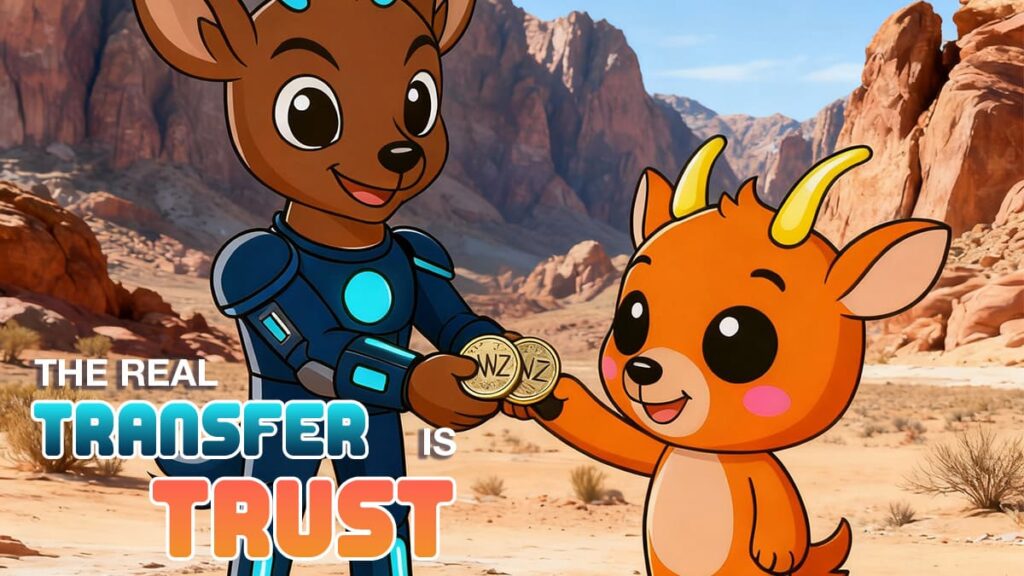
Many market participants researching low-priced meme tokens are no longer focused only on hype. Some are instead looking at early-stage projects with defined token distribution rules, published supply mechanics, and a structured pricing schedule. Any future performance, however, remains uncertain and highly speculative.
As more meme coins enter the market, some newer projects are drawing attention because they describe structured token-sale mechanics rather than relying solely on social traction.
One project that has appeared in those discussions is Noomez, which the team describes as an early-stage token sale with controlled supply, staged pricing, and participant incentives.
With volatility rising across the market, Noomez ($NNZ) has been mentioned by some commentators as a lesser-known project within the meme-coin category. This is not a recommendation to buy or sell any asset.
Why Some Traders Watch Low-Priced Meme Tokens in 2025
Participants entering the market in 2025 sometimes emphasize lower unit prices as one factor to consider, alongside liquidity, token supply, distribution, and risk. Lower unit price alone does not indicate value or future upside.
Lower-priced tokens can allow smaller allocations to be spread across more units, but outcomes still depend on broader market conditions, project execution, and trading dynamics.
This shift in attention has included newer projects like Noomez ($NNZ), which presents its offering through a staged sale model.
Some market commentary has also focused on lesser-known names rather than widely held tokens that already have substantial market capitalization and liquidity.
What Analysts Typically Review in Early-Stage Meme Tokens
When discussing early-stage tokens, analysts commonly review supply and distribution, the clarity of published allocations, and whether the project describes a defined process for any pricing stages. None of these factors can ensure performance.
Commentators also consider whether a project discloses how tokens are allocated over time and whether any mechanisms (such as burns) are described in advance.
Tokens that publish schedules and allocations may be easier to assess on paper than launches that change terms frequently, although transparency does not reduce market risk.
This is why projects like Noomez are sometimes included in broader discussions about low-priced tokens and long-term viability, with the caveat that a low entry price is not, by itself, an indicator of investment merit.
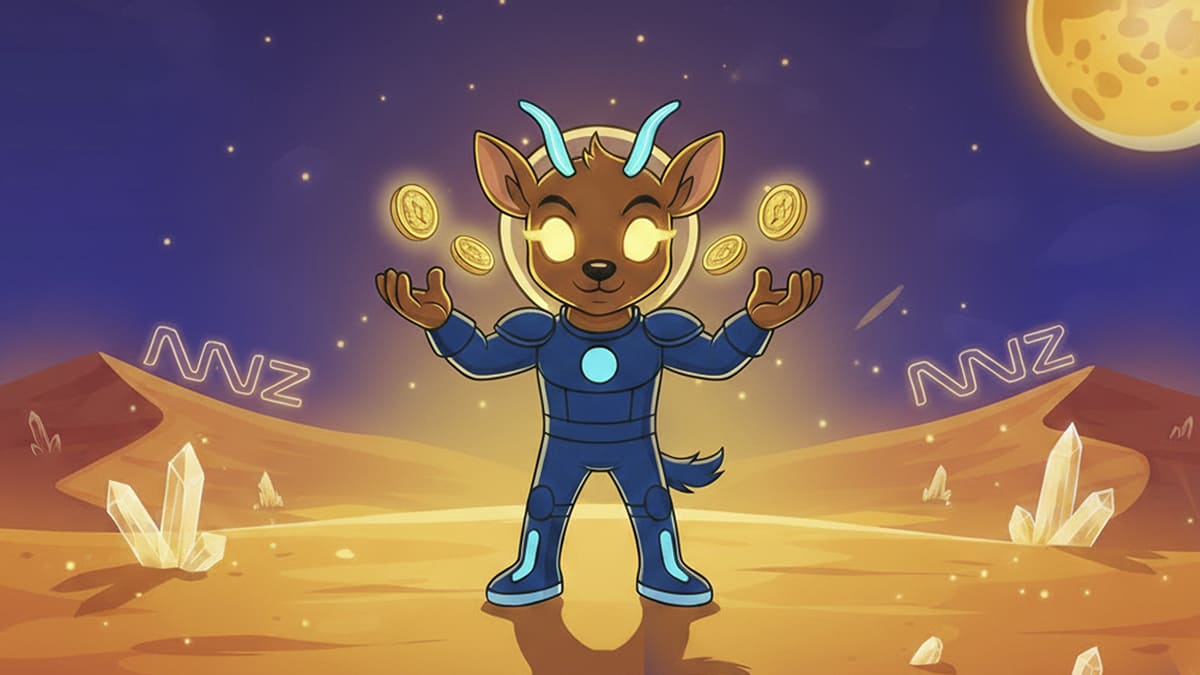
How Noomez Describes Its Early-Stage Token Sale
Noomez ($NNZ) is described by the project as being in Stage 5 of its token sale at $0.0000230 at the time of writing. Any interpretation of “undervaluation” is subjective and depends on assumptions that may not hold.
According to the project’s materials, Noomez uses a 28-stage progression in which the number of tokens allocated per stage decreases over time. The project states that early phases include 12.7B $NNZ per stage, with later allocations falling to 5B, then 2B, and eventually 300M in the final stages.
The team also describes “stage-end burns,” meaning that unsold tokens for a given stage are intended to be removed rather than carried forward.
The project further describes a visual progress indicator (“Noom Gauge”) tied to the completion of stages.
In addition, the project mentions incentives such as the “Stage X Million Airdrop,” which it says is designed to distribute rewards to eligible participants across phases. These incentives are marketing features and should not be treated as a guarantee of value.
Token-Sale Pricing, Incentives, and Risk Considerations
Noomez describes its token sale as having a defined price schedule. The project’s materials reference a range from $0.00001 to $0.0028 across stages. A planned pricing curve is not the same as market performance and does not predict secondary-market prices.
The project states that stages advance after seven days or after the stage allocation is sold. Timing rules and stage mechanics can change, and readers can consult the project’s documentation for current terms.
Noomez also describes a staking feature (“Noom Rewards”) and references a headline rate of up to 66% APY during the token-sale period, along with multipliers associated with earlier stages. Staking returns are variable, depend on conditions set by the project, and may involve smart-contract, counterparty, and liquidity risks.
The project also references “Vault” events at Stages 14 and 28, which it links to burns and USDT-related rewards. These are project-reported mechanisms and may be subject to change.
For More Information:
Project website (for reference): Visit the Official Noomez Website
Social (for reference): Follow Noomez ON X (Formerly Twitter)
This article contains information about a cryptocurrency token sale. This outlet is not affiliated with the project mentioned. This article is for informational purposes only and does not constitute financial or investment advice.

