


Crypto market participants often look for new tokens early in their lifecycle, alongside established networks such as Solana and Arbitrum. LivLive ($LIVE) is a newer project that is still in development, and public information about it remains limited.
What is it, and what is drawing attention to it?
According to project materials, LivLive is conducting an early-stage token sale and positioning the token around streaming-related features and creator tools. As with any early-stage crypto project, outcomes are uncertain and should be assessed cautiously, especially when information is primarily project-provided.
Solana’s scale provides context for newer projects
Solana is widely used for DeFi, NFTs, and consumer applications, and is known for relatively low fees and high throughput. Its ecosystem maturity and established user base differ substantially from early-stage projects that are still building products and communities.
Because Solana is already a large, liquid asset, comparisons with newly launched or early-stage tokens can be misleading. Market capitalization, liquidity, adoption, and product readiness are materially different, and newer tokens may also carry higher risk.
LivLive is at an earlier stage. The project says its token has not yet reached broad market distribution, and future pricing or exchange availability is not guaranteed.
Solana remains a major piece of Web3 infrastructure; LivLive, by contrast, is described by the team as an early-stage project still working toward delivery and adoption.
Arbitrum’s role in Ethereum scaling differs from LivLive’s stated focus
Arbitrum is an Ethereum layer-2 network and is commonly cited among the larger L2 ecosystems by activity and developer usage. Like other L2s, it operates in a competitive category that includes multiple networks and rollup designs.
LivLive is not presented as a blockchain scaling solution. Instead, the project describes a product direction focused on streaming integration, creator utilities, and token-enabled interactions tied to entertainment experiences.
These are different problem spaces, and any comparison should account for differences in maturity, adoption, and risk profile. In particular, early-stage token sales may involve limited disclosures, changing roadmaps, and uncertain timelines.
What the project says is driving interest in the token sale
Interest in early-stage token sales is often influenced by community activity and marketing reach. In LivLive’s case, the project attributes attention to several factors:
First, the team describes a focus on practical use cases involving creators, streaming platforms, and token-based interactions.
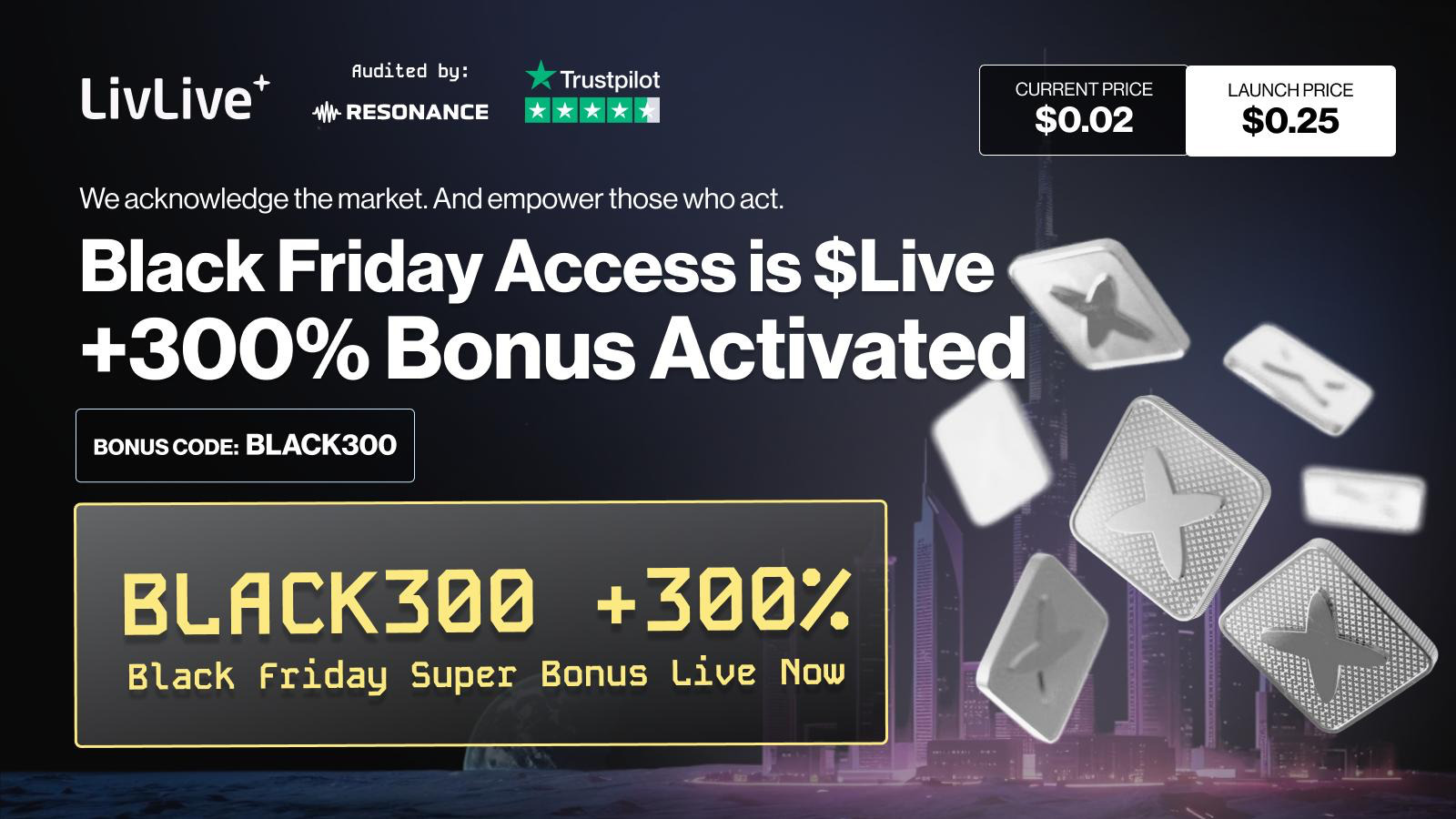
Second, the project describes a sale structure with staged pricing, which is a common marketing approach in token sales. Such structures do not ensure future market prices, liquidity, or listings.
Third, the project is being promoted during a period when broader crypto market sentiment can change quickly. Market conditions may affect visibility and participation, but they do not reduce the underlying risks of early-stage tokens.
Potential participants should be wary of urgency-based messaging and should rely on verifiable documentation rather than promotional narratives.

How Solana, Arbitrum, and LivLive differ
Solana and Arbitrum are established networks with significant ecosystem activity. LivLive, based on its public positioning, is an early-stage project and should be evaluated accordingly.
If readers are comparing projects, key considerations include: what is already shipped, the quality and transparency of documentation, token distribution and lockups (if disclosed), security practices, exchange/liquidity assumptions, and the risks specific to early-stage fundraising.
This article is for informational purposes only and does not constitute financial or investment advice. This outlet is not affiliated with the project mentioned.
Website: https://livlive.com/
Telegram: https://t.me/livliveapp
This article contains information about an early-stage token sale. Crypto Economy is not associated with the project. As with any initiative within the crypto ecosystem, readers should do their own research and carefully consider the risks involved. This content is for informational purposes only and does not constitute investment advice.

