Ireland’s online gambling landscape is undergoing two simultaneous transformations. The Gambling Regulatory Authority of Ireland (GRAI) launched its licensing framework in February 2026, replacing nearly a century of fragmented oversight with a centralized modern regulator.
At the same time, blockchain technology is introducing a parallel shift in how transactions are processed, how game outcomes are verified, and how participants relate to the platforms they use. These two forces are reshaping the Irish gambling market from opposite directions, and analyzing both is essential for understanding where the industry is heading.
The GRAI Launch and What It Means for the Irish Market
On February 9, 2026, the Gambling Regulatory Authority of Ireland officially began accepting license applications from remote and in-person betting operators, marking a significant regulatory overhaul in Irish gambling history since the Betting Act of 1931. The GRAI was established under the Gambling Regulation Act 2024 and assumed operational responsibility in March 2025, led by CEO Anne Marie Caulfield and Chairperson Paul Quinn.
A commencement order signed by Minister for Justice Jim O’Callaghan on February 4 activated key provisions including enforcement powers, complaints mechanisms, and licensing functions. Remote operators holding licenses from the Office of the Revenue Commissioners must transition to GRAI licenses by July 1 and in-person operators by December 1.
The GRAI can impose fines of up to 10 percent of a licensee’s turnover or €20 million, whichever is greater, and holds court-order powers to manage unlicensed operators. A new industry levy will raise at least €14 million annually to fund a Social Impact Fund supporting public education and research.
What Crypto Payments Offer Irish Players That Traditional Banking Does Not
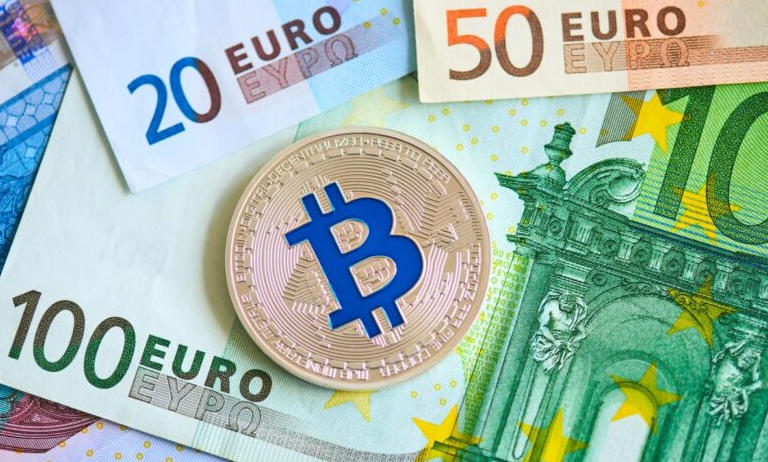
The core practical advantage of crypto payments in an online gambling context is speed and reduced friction. Notable cryptocurrency casinos leverage blockchain technology and smart contracts to process withdrawals within a 5 to 30-minute window, addressing the multi-day delays often found with standard bank transfers.
For Irish players, who have historically navigated the friction of Euro-zone payment routing and the restrictions introduced under the GRAI framework regarding credit card usage, crypto wallets provide a direct alternative for managing digital assets.
Privacy is an additional factor: wallet-to-wallet transfers minimize the volume of sensitive financial data shared with operators. This is a recognized distinction for players who prefer to keep their gaming activity separate from their primary banking profile. The irreversibility of crypto transactions remains a key factor to monitor, as there is no chargeback mechanism if funds are sent to an incorrect address.
Provably Fair Gaming and Why It Matters for Trust
Provably fair is a cryptographic verification system that allows a participant to confirm that a game outcome was determined fairly. The standard implementation works as follows: before a round begins, the platform generates a server seed and hashes it, the player provides a client seed, and the two are combined to produce the outcome. After the round, the server seed is revealed so the participant can verify the calculation.
This system uses SHA-256 hashing, which is designed to prevent the retroactive modification of outcomes. Provably Fair 2.0, now being adopted by recognized platforms, moves verification fully on-chain through smart contracts, making outcomes transparent and auditable on the blockchain. For players evaluating their options, the landscape now offers variety, from crypto-native platforms to established Irish casino sites operating under licensing frameworks, each catering to different priorities around speed and consumer protection.
Smart Contracts and Automated Payouts
Smart contracts replace human intervention in the payout process with self-executing code that releases funds when predefined conditions are met. When a player initiates a withdrawal on a smart-contract-based platform, the code verifies the balance and transfers the funds to the designated wallet without the need for manual review.
This is designed to mitigate withdrawal queue delays and ensures that payment terms are executed as specified in the code. For Irish players accustomed to disputes where no local authority previously had jurisdiction, smart contract payouts offer a technical framework for transaction execution that does not depend on the operator’s manual approval. The GRAI’s new framework does not currently address smart contract-specific obligations, leaving blockchain-native platforms in a regulatory area that operators and legal advisors are currently navigating.
Stablecoins and the Volatility Problem
One factor for players exploring digital assets is price volatility: a Bitcoin balance may fluctuate in value between the time of deposit and withdrawal. Stablecoin adoption is a significant structural change within the crypto gambling sector in 2026, with platforms increasingly utilizing USDT and USDC for wagering rather than volatile assets.
USDT is available on multiple networks at recognized platforms including TRC-20, ERC-20, BEP-20, Polygon, Solana, and TON, providing flexibility in how funds are managed. From a compliance standpoint, stablecoins also simplify the implementation of responsible gambling controls: fixed-value tokens make it straightforward to set deposit limits and calculate activity accurately, which are obligations required by the GRAI framework for licensed operators. The EU’s Markets in Crypto-Assets (MiCA) regulation, fully in force since December 2024, sets rules around stablecoin issuance that affect how EU-facing blockchain casinos handle these instruments.
DeFi Protocols and the Future Direction of Blockchain Gambling
Decentralized Finance (DeFi) protocols are beginning to intersect with online gambling in ways that go beyond simple payments. Specialized platforms combine gaming mechanics with DeFi structures, allowing participants to access incentives that can be deployed into lending or liquidity positions.
NFT-based gamification is also entering the sector, with some platforms issuing community participation allocations and revenue-sharing tokens that give players a different relationship with the platform. DAO governance models allow token holders to vote on community policy changes, creating a stakeholder model that differs from traditional regulated gambling.
The GRAI’s Strategy Statement for 2025 to 2027 details the rollout of annual inspection programs starting in July 2026, alongside the establishment of specialized investigation and enforcement units by the third quarter of 2026. However, the current strategy lacks specific provisions for DeFi gambling protocols. Consequently, sophisticated blockchain-based gambling services accessible in Ireland remain outside the existing licensing requirements. Addressing this oversight is expected to be a primary regulatory focus during the upcoming licensing period
This article provides information about gambling platforms or casinos operating with cryptocurrencies. Crypto Economy is not affiliated with any of the mentioned services. We remind our readers that the use of crypto casinos involves inherent financial and legal risks, which may vary depending on the jurisdiction. This content is for informational purposes only and should not be interpreted as an investment or participation recommendation.