TL;DR
- The IMF calls for a global framework that supports safe and transparent stablecoin adoption as these assets gain influence in global payments.
- Stablecoins already improve cross-border transfers and expand financial access in regions with limited banking services.
- Rapid use of dollar-based stablecoins in emerging markets increases pressure on governments to coordinate standards that protect monetary stability without slowing innovation.
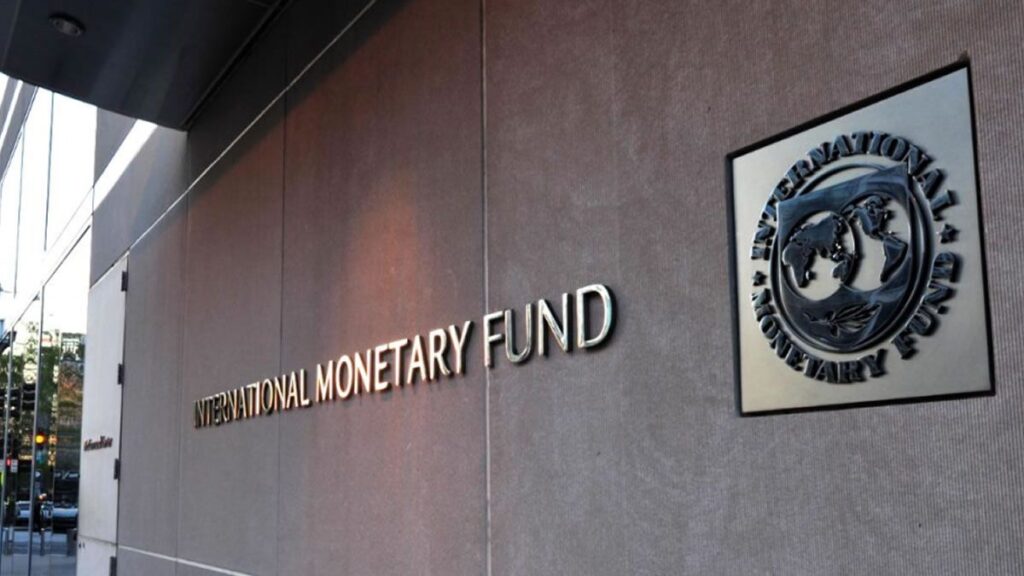
The IMF renews its push for a global framework for stablecoin adoption, recognizing their expanding role in modern payments. The institution notes that these assets reshape money movement and accelerate digital finance in countries with fragile or limited banking infrastructure.
Stablecoin Adoption And Global Coordination
The IMF’s latest analysis describes stablecoins as tools that accelerate settlement times, lower transaction costs, and enable near-instant international transfers. Many remittance corridors still operate on slow networks that depend on several intermediaries, while blockchain-based payments settle within seconds. This efficiency attracts users across Latin America, Africa, and Southeast Asia, where mobile-driven payments continue to expand.
The report cites data from the Bank for International Settlements showing a rise in stablecoin settlement volumes over the past year, driven by cross-border activity and on-chain commerce. The IMF explains that these trends show how stablecoins move beyond speculation and into daily financial operations. The Fund notes that stablecoins backed by transparent reserves, audited disclosures, and evaluated under shared standards could strengthen digital payments without requiring full access to traditional banks.
Global Framework Needed For Stablecoin Stability
The IMF argues that cross-border alignment helps prevent fragmented rules that slow innovation or generate uneven risks. The institution warns that inconsistent oversight allows weak issuers to operate internationally without proper supervision, exposing users to operational failures, unclear reserve practices, or insolvency risks. Several emerging markets report rising demand for dollar-denominated stablecoins, which affects currency usage and limits the capacity of central banks to manage inflation or credit conditions.

Even so, the organization maintains a pro-innovation stance. It highlights that responsible issuers already conduct independent audits and publish detailed reserve breakdowns, practices that could become standard under a unified framework. The IMF suggests that governments adopt rules that differentiate between payment-focused stablecoins and speculative crypto assets, reducing uncertainty for companies building digital finance solutions.
The IMF affirms that stablecoins can strengthen global payment systems if countries coordinate on transparency, reserve quality, and supervisory mechanisms. The institution sees the asset class as part of the next stage of financial infrastructure, with adoption rising as users seek faster and cheaper alternatives to legacy transfer networks.