

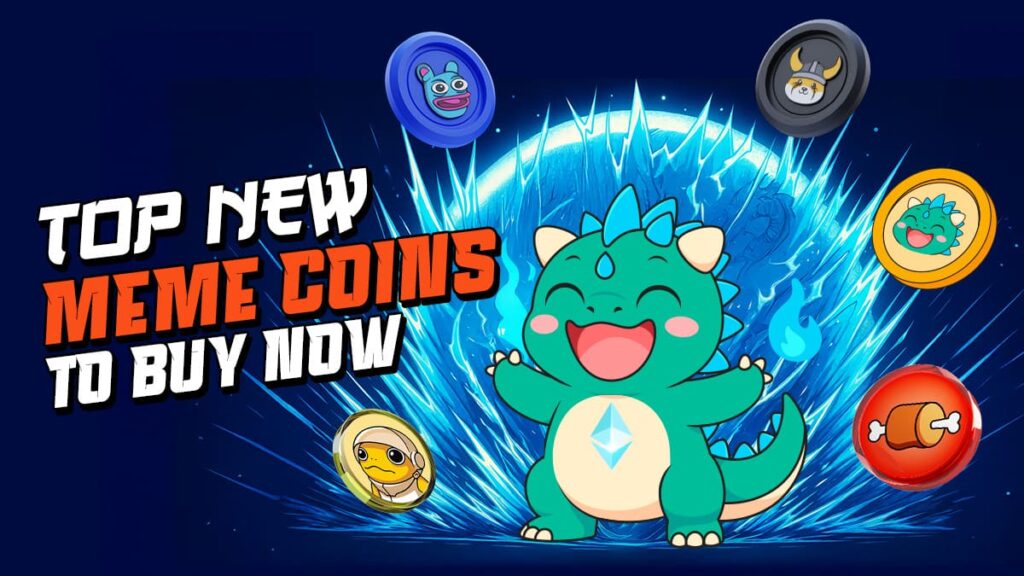
Several meme tokens are drawing attention on social media and in trading communities. Discussion around these projects often focuses on narratives, branding, and community activity rather than fundamentals, and interest can shift quickly as market sentiment changes.
One of the projects currently being discussed is BullZilla ($BZIL). According to the project’s materials, it is running a staged token sale with an automatically increasing price schedule, along with a planned token-burn mechanism and a staking program that it describes as offering up to 70% APY (terms, availability, and outcomes are not independently verified).
1. BullZilla: Project overview
BullZilla is a meme-token project with an early-stage token sale. The project’s website describes a staged structure (including labels such as “Stage 3” and “Phase 1”) and publishes figures including a token price, tokens sold, number of holders, and funds raised to date. These figures are project-reported and may change; readers should verify details directly from primary sources and understand that token sales can carry elevated risks.
The project also describes a “Progressive Price Engine” that adjusts the token sale price on a fixed schedule or after a funding threshold is reached, as well as a burn mechanism intended to reduce supply over time. None of these elements indicate or guarantee future price performance.
How participation is described by the project
Based on the project’s public instructions, participation typically requires a compatible Web3 wallet.
The project states that participants use Ethereum (ETH) and connect their wallet to the sale interface on the project website.
The project’s materials also describe an allocation/claim process that depends on the token sale’s terms and timeline.
Readers should review any smart-contract, custody, and counterparty risks and consider seeking independent advice before engaging with token sales.
2. Cat in a Dog’s World (MEW): The Feline Rebellion
Cat in a Dog’s World (ticker MEW) is framed as a counterpoint to dog-themed meme coins. Its narrative centers on meme culture and community identity rather than product features.
MEW’s visibility has been driven largely by social-media activity and parody. As with many meme tokens, engagement levels can fluctuate, and public interest does not necessarily translate into long-term adoption.
While the project is sometimes compared in online discussions to larger, more established meme assets, such comparisons can be misleading given differences in maturity, liquidity, and risk.
In a market that often rotates quickly between narratives, Cat in a Dog’s World has become one of the meme tokens currently being discussed.
3. Peanut the Squirrel (PNUT): The Collector’s Meme
Peanut the Squirrel (PNUT) is a themed meme-token project that uses “collector” imagery in its branding. Community discussion often focuses on its narrative and the ways holders engage with the theme.
Project materials and community posts have referenced gamified elements such as themed mini-games and staking-like mechanics. Specific features, timelines, and security properties should be verified through official documentation and independent review where available.
From a supply and distribution standpoint, commentary commonly highlights community allocation and a capped supply model, though the practical impact depends on implementation and market conditions.
As with other meme tokens, PNUT’s trajectory is highly dependent on community interest and overall market sentiment.
4. Cheems (CHEEMS): The Meme OG
Cheems (CHEEMS) is associated with well-known Doge meme culture and has maintained an active online presence over multiple market cycles.
Community activity has included NFT-related initiatives and social campaigns, although the scope and impact can vary over time. Trading activity for meme tokens can be volatile and may respond to broader trends affecting the category.
Cheems is often discussed as part of the wider meme-token ecosystem, where branding and community participation can play a significant role in short-term attention.
Its longevity and recognizability help explain why it remains part of ongoing meme-token discussions.
5. Baby Dogecoin (BABYDOGE): The Heir to Doge’s Throne
Baby Dogecoin (BABYDOGE) began as a Dogecoin-themed spin-off and later expanded its ecosystem narrative to include community initiatives and token features such as burns and staking pools (as described by the project and community channels).
The token supply is large, and burn mechanisms are designed to reduce supply over time, though such mechanisms do not ensure price appreciation.
Baby Dogecoin is frequently mentioned in meme-coin conversations because of its branding and active social presence, but it remains subject to the same volatility and liquidity risks common to the category.
Conclusion:
BullZilla ($BZIL), Cat in a Dog’s World (MEW), Peanut the Squirrel (PNUT), Cheems (CHEEMS), and Baby Dogecoin (BABYDOGE) are among the meme tokens currently being discussed by segments of the crypto community. These projects differ in maturity, market structure, and risk profile, and none should be evaluated on narrative alone.
This article is for informational purposes only and does not constitute financial or investment advice. This outlet is not affiliated with the project mentioned.
For More Information:
Follow BZIL on X (Formerly Twitter)
Frequently Asked Questions for BullZilla token sale
What makes BullZilla different from other meme coins?
According to the project’s materials, BullZilla emphasizes a narrative-driven brand, a staged token-sale structure with progressive pricing, and a staking program that it advertises as offering up to 70% APY (details and outcomes are not independently verified).
Why do projects run token sales in the cryptocurrency market?
Token sales are commonly used as a fundraising method and a way to distribute tokens before broader market trading. They can involve significant technical, market, and regulatory risks depending on the jurisdiction and structure.
What was the starting price of BullZilla?
The project has published a starting price and a staged schedule on its website. Readers should verify current and historical figures directly from the project and understand that published prices may change during a sale.
Which blockchain does BullZilla operate on?
Project materials describe BullZilla as an ERC-20 token on Ethereum.
Which other meme coins are trending in 2025?
Online discussions frequently mention projects such as Cat in a Dog’s World, Peanut the Squirrel, Cheems, Baby Dogecoin, Snek, and Dogwifhat. “Trending” is not a measure of investment quality and can change rapidly.
Can meme coins deliver very large returns?
Some meme tokens have experienced outsized gains in past cycles, but those outcomes are not predictable and are not typical. Meme tokens can also lose significant value quickly.
Is investing in meme coins risky?
Yes. Volatility can be extreme, liquidity can disappear quickly, and smart-contract and custody risks may apply. People should research carefully and only use funds they can afford to lose.
Glossary
- Progressive token sale: A model where the token price changes at fixed times or milestones during a sale.
- Token Burn: Reducing total supply by permanently removing tokens.
- HODL Furnace: BullZilla’s name for its staking system, described by the project as offering up to 70% APY.
- ERC-20: Ethereum’s standard for fungible tokens.
- Referral System: A marketing incentive model for sharing access, as described by a project.
- Roarblood Vault: BullZilla’s name for a treasury or reserve, as described in project materials.
- Supply Scarcity: Limiting tokens to reduce or cap supply; this does not ensure higher value.
- Community Vesting: Locking tokens under scheduled release terms.
- Ethereum Smart Contracts: Automated, self-executing blockchain agreements.
This article contains information about a token sale. This outlet is not affiliated with the project mentioned. This article is for informational purposes only and does not constitute financial or investment advice.

