TL;DR
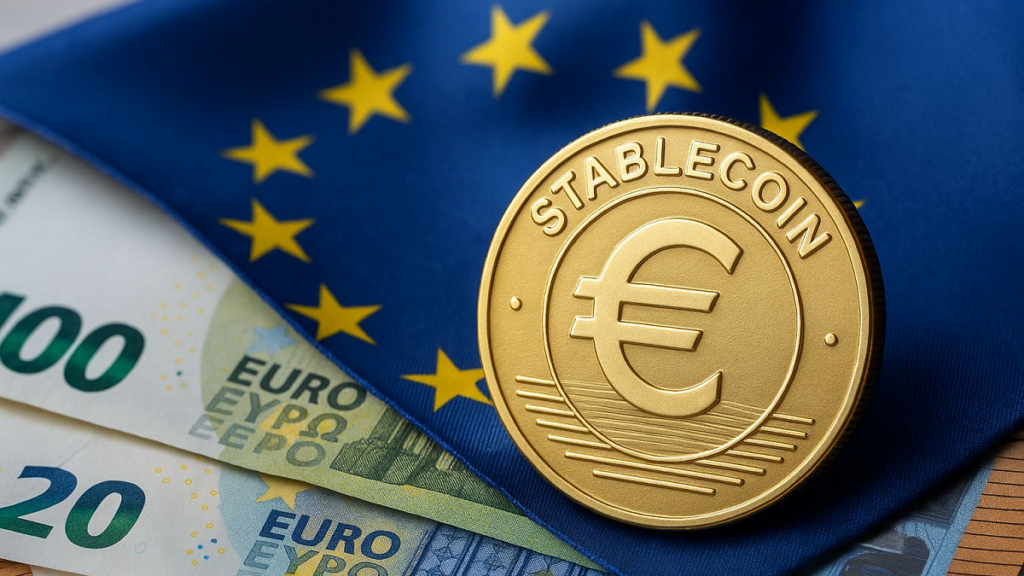
- Ten European banks advance a MiCA-regulated euro stablecoin, reinforcing a model widely criticized for heavy state intervention in crypto markets.
- The initiative seeks to counter dollar dominance but relies on centralized oversight instead of open, permissionless innovation.
- The project strengthens banking control while limiting the competitive, market-driven alternatives that have powered true crypto adoption.
European banks move forward with a regulated euro stablecoin positioned as a modernization effort. Critics across the crypto sector argue that MiCA adds bureaucracy to a technology fundamentally built to reduce dependence on centralized authorities.
Euro Stablecoin Consortium Sets Structure And Timeline
Qivalis, the Amsterdam-based company leading the initiative, unites ten banks including BNP Paribas, ING, CaixaBank and UniCredit. The group already filed for an electronic money institution license with the Dutch Central Bank, underscoring how state approval remains the gatekeeper for blockchain projects that were originally created to bypass intermediaries.
Leadership consists of Jan-Oliver Sell as CEO, Floris Lugt as CFO and Howard Davies as head of the Supervisory Board. This setup embeds the stablecoin deeply within traditional finance, signaling a closed, institution-driven model rather than an open ecosystem where participation does not depend on regulatory privilege.
Regulatory Momentum Boosts Euro Stablecoin Ambitions
EU institutions continue warning about the reliance on dollar stablecoins, yet their response centers on tight control frameworks instead of fostering competition through free-market euro alternatives. The European Systemic Risk Board advocates strict reserve policies and rigid issuance structures, which many in the industry view as obstacles to real experimentation. Recent consultations also reference stress scenarios that assume market participants require state-managed buffers, reinforcing an approach that sidelines decentralized tools.
The ECB’s digital euro plan follows the same centralized path, emphasizing controls and limits over user autonomy. Legislative developments expected by 2026 indicate an expanding regulatory footprint shaping digital payments through institutional authority rather than market dynamics.

Expanding Utility For On-Chain Payments
The euro stablecoin aims to provide continuous settlement, programmable payments and improved supply chain processes. However, adoption will remain bound to compliance layers and supervisory checks, slowing innovation compared to market-driven stablecoins that iterate rapidly without institutional constraints.
European officials present the initiative as progress, yet its foundation rests on intensive regulation and central oversight, not crypto-native innovation. As banks and state bodies dictate digital money from the top down, decentralized and open alternatives risk being overshadowed by centralized solutions wrapped in blockchain language.