

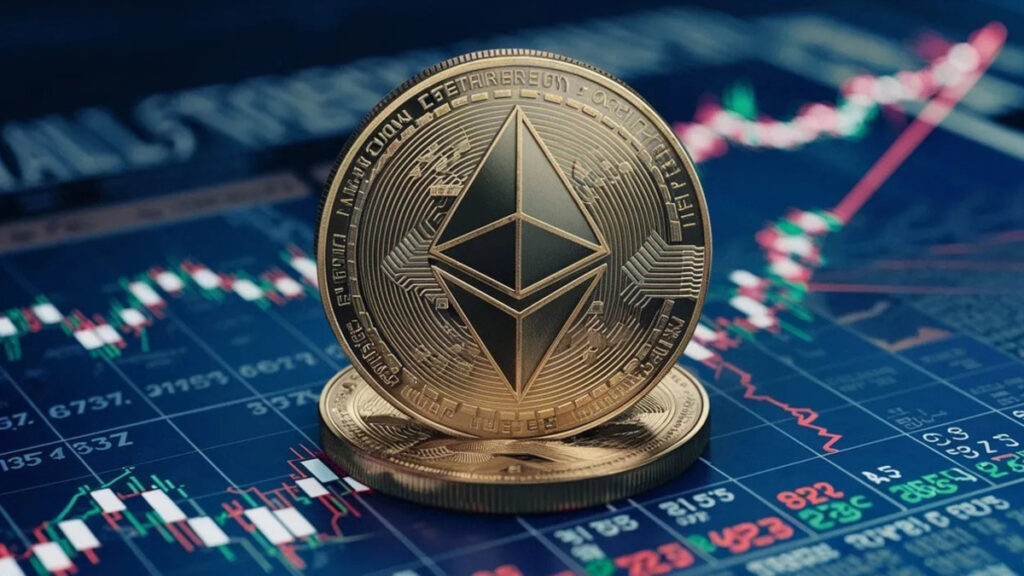
Ethereum ETFs saw heavy redemptions last week, with nearly $800 million in net outflows, while ETH continued to trade around the $4,000 level. The combination of withdrawals and price stability has left market participants watching whether sentiment is shifting for the second-largest cryptocurrency.
Meanwhile, some retail interest has moved toward early-stage projects, including the PepeNode token sale. Investors are weighing different risk profiles across the market, from established assets to newly launched concepts.
Ethereum ETFs Stay Bullish Despite Outflows
Ethereum’s two-week slide has regained a key $4,000 support level, alongside large ETF redemptions and softer institutional demand. US-listed Ethereum funds experienced their largest reported weekly outflow last week, losing nearly $800 million in assets and reversing the inflows seen in early September.
More specifically, last week, Ethereum ETFs reportedly recorded a $795 million outflow. The previous weekly record was in the first week of September, when they lost more than $787 million in assets.
According to widely cited fund data, more than $26 billion remains invested in ETH ETFs, equal to about 5.37% of all ETH. Even with short-term selling pressure, ETH holding near $4,000 alongside sizable ETF assets suggests some investors continue to maintain long-term exposure.
What Is PepeNode?

Alongside the ETF market, some smaller projects are seeking attention. One example is PepeNode, which describes its product as a gamified, virtual “mining” experience rather than a hardware-based process.
Project materials say users can combine nodes, build virtual setups, and adjust configurations to change in-game outcomes. Any rewards mechanics and their real-world value depend on the project’s design and adoption and may change over time.
$PEPENODE is described as the platform’s core token, used to purchase and upgrade nodes. The project also says it is designed around meme-coin-themed gameplay, including references to tokens such as $PEPE and $FARTCOIN. As with any crypto project, token utility and demand are uncertain and depend on market conditions and execution.

The project states that nodes can be upgraded and later sold within its ecosystem. It also publishes a token allocation plan that includes economics and treasury (35%), node rewards (7.5%), infrastructure (15%), growth and listings (7.5%), and protocol development (35%). These allocations are project-reported and can change.
The roadmap presented by the team includes three stages:
- An early-stage token sale, described by the project as already underway
- A token generation event (TGE), which the project links to its initial launch
- A “mine-to-earn” game phase
The team also says that upgrades may involve a token burn mechanism (it claims 70% of the $PEPENODE used for upgrades is permanently removed from supply). The impact of any burn model on price or liquidity is uncertain and depends on overall demand and market conditions.
Why Is PepeNode’s Presale the Real Winner of Q4?
PepeNode’s token sale began in August 2025 and, according to the project, has raised over $1.5 million to date. The team says the token price changes by stage, though future pricing and market performance are not predictable.
The project also promotes a staking feature within its protocol. Any yield figures, staking participation levels, and reward distribution details are project-reported and may change; staking can carry technical, liquidity, and market risks.
Ethereum ETFs and Retail-Focused Crypto Projects Reflect Different Market Themes
Recent Ethereum ETF outflows highlight how quickly institutional positioning can shift, even when price levels appear stable. At the same time, retail attention often moves toward smaller, newly marketed projects with different risk and liquidity characteristics.
For readers evaluating any token sale or staking program, it is important to consider disclosures, token distribution, smart-contract risk, and the possibility of losing funds.
This outlet is not affiliated with the project mentioned. This article is for informational purposes only and does not constitute financial or investment advice.

