

BNB, Hyperliquid, and BlockDAG are shaping fresh narratives in 2025. Binance Coin (BNB) has seen a reported 6.4% surge in trading volume, alongside higher liquidity and exchange usage. At the same time, Hyperliquid (HYPE) has drawn discussion after its founder questioned how centralized exchanges manage liquidation risks.
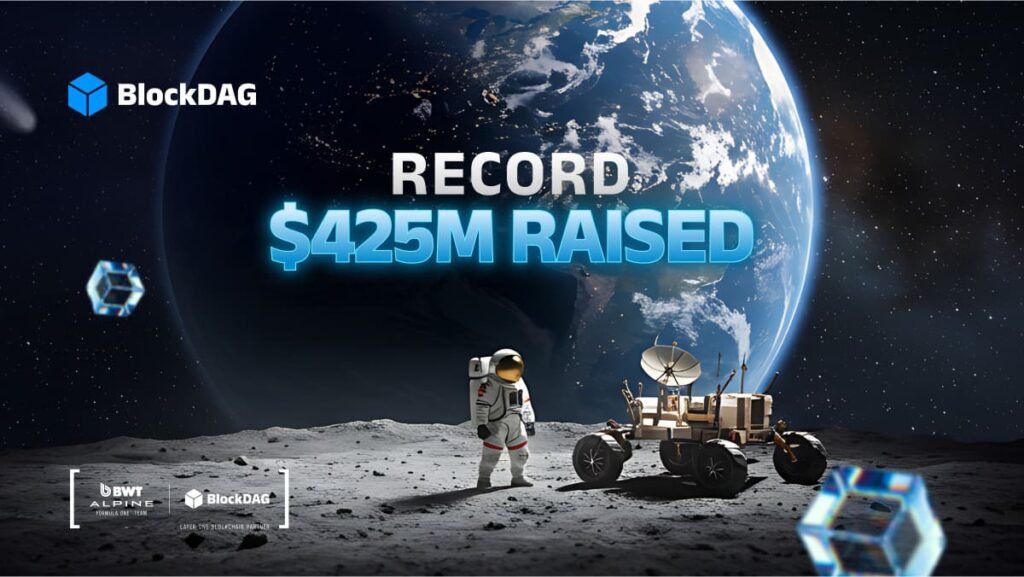
While these assets attract attention through trading activity and transparency debates, BlockDAG (BDAG) is being discussed for its development updates and fundraising claims. According to the project, it has raised $430 million, sold more than 27 billion coins, and has a verified testnet live. The team says it is preparing for Genesis Day and a broader rollout.
BNB Volume Rebound Reflects Strength and Weakness
Binance Coin’s recent 6.4% increase in trading volume highlights its strong link with the Binance exchange ecosystem. BNB continues to see usage through liquidity, staking features, and a range of platform utilities. Still, the asset’s market performance is closely tied to trading conditions and exchange sentiment.
Reports cited by market commentators indicate that liquidity inflows played a central role in the rebound. This also highlights a dependency: BNB’s activity can track exchange traffic more closely than independent on-chain demand. BNB’s growth is often discussed in the context of Binance’s performance.
This dependence means its market moves may be based more on exchange-driven activity than on broader network factors. Although the coin can show momentum during periods of high volume, its role remains closely tied to the Binance ecosystem.
Hyperliquid’s Push for Fairer Trading Sparks Debate
Hyperliquid gained spotlight after its founder criticized centralized exchanges for obscuring liquidation risks. The statement triggered conversations across trading circles, raising questions about risk disclosure in derivatives trading. Hyperliquid has positioned its product messaging around greater transparency while aiming to maintain trading performance.
The project describes a focus on algorithmic trading and decentralized liquidity pools. However, as with many trading-focused platforms, adoption and integration can be key constraints. Its growth will depend on whether it can attract users, deepen liquidity, and improve interoperability across chains and venues.
Although the transparency debate is notable, it is separate from long-term technical execution. Any comparison with other projects depends on differing maturity levels, scale, and stated roadmaps, and remains difficult to assess without independent verification.
BlockDAG Update: Funding Claims, Testnet Features, and Roadmap
BlockDAG has been promoted around an on-chain infrastructure narrative. According to the project, it has raised $430 million and sold over 27 billion coins across multiple sale rounds. The project has also published pricing information and marketing incentives in connection with the sale; these figures and terms are project-reported and may change.
The team says its Awakening Testnet is live and includes features such as account abstraction, EVM compatibility, and contract upgradability. The project has also stated that mining hardware shipments across its X1 to X100 series are underway, and that Genesis Day will coincide with a planned mainnet launch. Post-launch, the team describes a “Super App” that would combine mining, staking, and validator-related functions.
BlockDAG has also described a staged distribution schedule tied to a ranking system for token-generation-event timing. As presented by the project, this operates as a marketing incentive rather than a performance indicator.
- Ranks 1–300: Distribution timing described as “instant”
- 301–600: Distribution after 30 minutes
- 601–1000: Distribution after 60 minutes
- 1001–1500: Distribution after 2 hours
- 1501–2000: Distribution after 4 hours
- 2001–5000: Distribution after 6 hours
- 5001: Distribution after 24 hours
In its materials, BlockDAG has highlighted tokenomics disclosures, multi-signature custody, and planned independent audits. It also states that treasury information is made public and that operational security includes hardware-key protections. The project names Antony Turner as part of its leadership team and describes governance spanning technology, compliance, and finance.
As with other early-stage crypto projects, independent confirmation of claims, technical progress, and security practices can be limited until audits, open-source releases, and on-chain activity are broadly verifiable.
Final Thoughts
BNB, Hyperliquid, and BlockDAG each reflect different areas of the crypto market. BNB often mirrors exchange activity and liquidity conditions. Hyperliquid has contributed to an ongoing debate about disclosure and risk management in leveraged trading, while still needing to prove broader adoption.
BlockDAG is being marketed around testnet delivery and a planned mainnet timeline, alongside project-reported fundraising and sale data. Readers should treat such claims and timelines as tentative until they can be independently verified.

Project website (for reference): https://blockdag.network
Telegram (for reference): https://t.me/blockDAGnetworkOfficial
This article is for informational purposes only and does not constitute financial or investment advice. This outlet is not affiliated with the project mentioned.

