Not every staking model works the same across crypto and blockchain projects. Some projects describe high returns, but outcomes depend on market conditions, smart-contract design, and participation levels, and they may not match marketing claims.
BlockSack is a newer project built on Base. It presents a staking feature alongside meme-style branding and on-chain finance concepts. This article summarizes how the project describes its staking design and ecosystem components.
The project says its staking system is linked to broader platform activity. As with any staking product, users may face risks including smart-contract vulnerabilities, liquidity constraints, token price volatility, and changing reward conditions.
Below is a review of what BlockSack claims makes its staking approach different, without implying any expected financial outcome.
What Is BlockSack and What the Project Claims Is Different
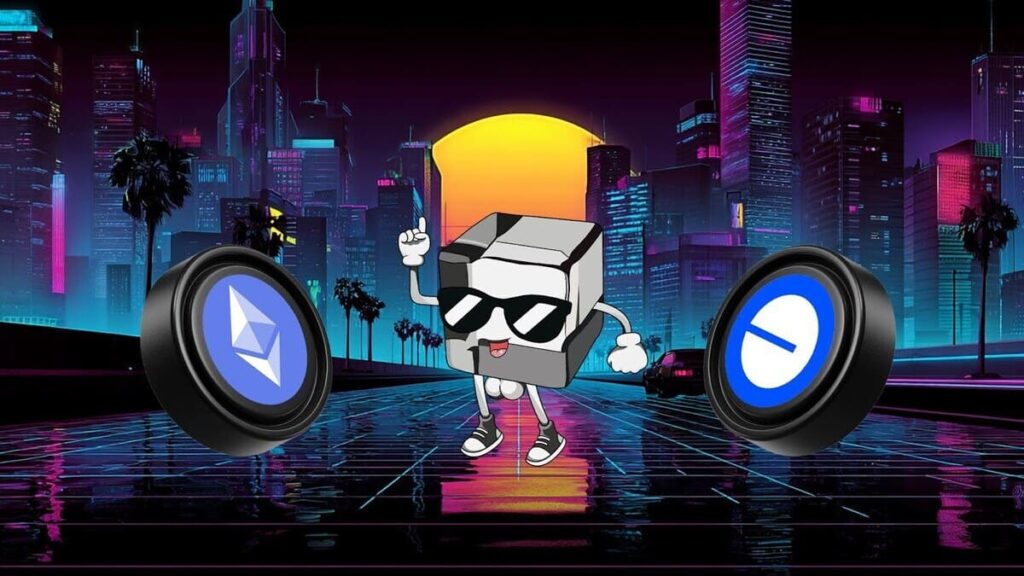
According to its public materials, BlockSack is a memecoin project on the Base chain with DeFi-oriented features. It combines community-driven branding with smart-contract functionality it describes as intended for Web3 use cases.
The project’s token (often referenced as $BSACK) is described as having utility beyond trading, including a built-in staking mechanism. Any staking rewards, however, are not guaranteed and can vary based on how the protocol operates in practice.
BlockSack also describes additional components—such as games and NFT-related features—as part of its planned product set. Readers should treat roadmap items as forward-looking and subject to change.
Because it is positioned as an early-stage project, available information may be limited compared with more established networks, and due diligence is especially important.
Inside the BlockSack Ecosystem (As Described by the Project)
BlockSack says it aims to build an ecosystem that includes a decentralized market and additional features involving games and NFTs. In its framing, activities such as staking and minting are intended to connect to broader network usage.
The project also suggests staking can support liquidity and participation. In general, liquidity and activity are influenced by user behavior and market dynamics, and there is no assurance that any specific level of activity will be sustained.
It describes community participation as a key element, including use of a DEX and other interactive features. Availability and functionality of these components should be verified independently (for example, via on-chain data and public documentation) where possible.
As with many early-stage tokens, readers should be cautious about broad ecosystem claims and separate what is live today from what is proposed for the future.
The On-Chain Staking Design
BlockSack describes its staking system as being implemented via smart contracts, meaning users interact on-chain rather than through a centralized intermediary. The details of how rewards are calculated and distributed depend on the specific contract logic and parameters.
The project states that staking is intended to support the ecosystem while providing token-based rewards to participants. Any such rewards can change over time and may be affected by factors such as token emissions, user participation rates, and broader market conditions.
In general, on-chain staking does not remove risk. Participants may still face contract risk, loss scenarios tied to liquidity and price movements, and operational risks such as interface errors or phishing attempts.
The project also uses the phrase “Stake Your Sack, Grow Your Stack” as part of its branding. This should be understood as marketing language rather than a statement about likely results.
BlockSack’s Token-Sale Context and What to Check
BlockSack has been marketed as part of an early token-sale process in a crowded market for new launches. Prospective participants typically review factors such as token distribution, vesting/lockups (if any), contract audits (if available), liquidity plans, and whether key features are live and independently verifiable.
The project’s staking and ecosystem claims may be relevant for understanding its stated goals, but they do not indicate future performance. Any decision to participate should account for the higher risks often associated with new tokens and limited operating history.
This article is for informational purposes only and does not constitute financial or investment advice.
This outlet is not affiliated with the project mentioned.
Project links (for reference)
Project website: https://blocksack.world/
Project X account: https://x.com/blocksack
Press releases or guest posts published by Crypto Economy may be submitted by companies or their representatives. Crypto Economy is not part of these agencies, projects, or platforms. Crypto Economy does not provide investment advice; readers should conduct their own research and consider the risks before making any financial decisions.