

In the fast-moving crypto market, BlockDAG’s recently introduced “TGE” code has been presented by the project as a way to link wallet activity to a public leaderboard used to determine token distribution timing on “Genesis Day.” According to project materials, the code is intended to assign a rank that corresponds to airdrop timing tiers.
The project states that large amounts of BDAG have already been sold in its token sale, and that the “TGE” code is used to calculate a wallet’s position on the leaderboard. This article summarises how the project describes the code, including how ranks are determined and how distribution timing is expected to work within the BlockDAG network.
What Is the “TGE” Code and Why Does It Matter?
According to BlockDAG, the “TGE” code is used to register eligible activity for its official leaderboard, where rank is used to determine when BDAG tokens are distributed on Genesis Day. The project says that the top 300 ranked participants would receive an initial airdrop at launch, with additional tiers receiving distributions on a schedule that ranges from 30 minutes to 24 hours after the initial release, depending on rank.

The project says the code is valid between October 7 and November 26 and that activity during this window is used to determine a rank that sets a wallet’s distribution tier. As described by BlockDAG, the main practical effect is earlier or later token delivery relative to other tiers.
Does My Rank Affect Old Purchases Too?
BlockDAG states that the leaderboard rank can apply across a wallet’s holdings rather than only applying to coins purchased using the “TGE” code. In the project’s description, a wallet’s total activity from October 7 onward is used to set its current rank.
Under this model, the project indicates that a wallet’s rank determines the distribution timing for the wallet overall. BlockDAG characterises the structure as encouraging continued participation leading up to Genesis Day.
What If I Can’t Trade Yet? Why Does Timing Still Matter?
Some participants have asked why earlier distribution would matter if trading is not immediately available. In general, earlier receipt of tokens could affect when a holder is able to access or move assets once any transfer or trading functionality becomes available, but the practical impact depends on how and when the market infrastructure develops and on a user’s own circumstances.
BlockDAG describes its approach as a time-based airdrop framework, where a wallet’s leaderboard position maps to a distribution schedule. As with any early-stage token sale, the timing and usability of distributed tokens can depend on technical rollout decisions and third-party factors such as listings, if any occur.
TGE Code: The Mechanism Behind BlockDAG’s Ranked Rollout
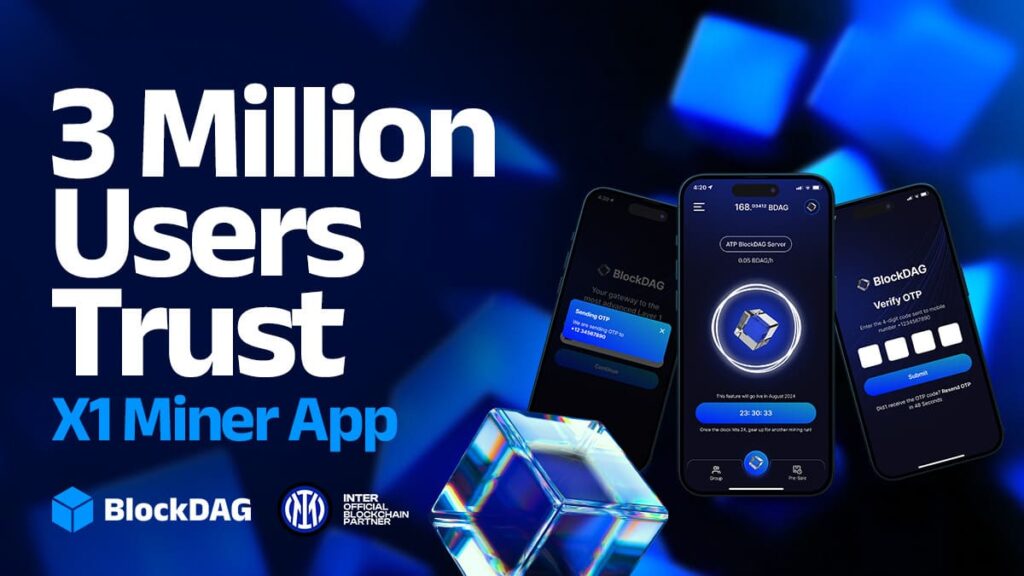
BlockDAG positions the “TGE” code as the mechanism behind its ranked rollout and distribution timing. The project has also published several scale-related figures, including claims of over 3 million daily X1 mobile miners, 325K+ community members, and 20k+ X-series miners shipped, alongside a marketing partnership with Alpine Formula 1®.
According to the project, Genesis Day is scheduled for November 26, and the leaderboard is intended to clarify when different tiers receive their distributions. Readers should note that the practical implications of “earlier” distribution can vary, and token availability does not necessarily imply immediate liquidity or market access.
Final Words
BlockDAG’s communications frame this phase as focused on execution and rollout mechanics. The project’s “TGE” code is described as the centrepiece of its ranking-based distribution approach, linking a wallet’s activity during a defined window to an airdrop timing tier. BlockDAG also reports that nearly 27 billion coins have been sold and that the token sale price has increased from $0.001 to $0.0304 over time.
As with other early-stage crypto projects, these claims and timelines should be evaluated carefully and independently. Any distribution schedule, token utility, and trading availability remain subject to implementation and market conditions.

Token sale page (project link, for reference): https://purchase.blockdag.network
Website (for reference): https://blockdag.network
Telegram (project link, for reference): https://t.me/blockDAGnetworkOfficial
Discord (project link, for reference): https://discord.gg/Q7BxghMVyu
This article contains information about a cryptocurrency token sale. This outlet is not affiliated with the project mentioned. As with any initiative within the crypto ecosystem, we encourage readers to do their own research before participating, carefully considering both the potential and the risks involved. This article is for informational purposes only and does not constitute financial or investment advice.

