

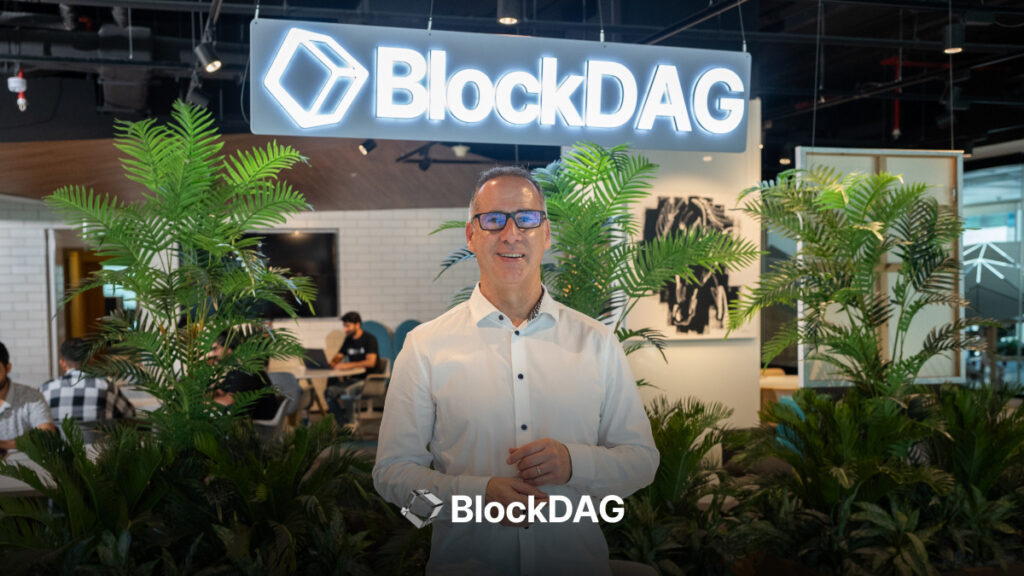
In the world of blockchain projects, few raise as much curiosity as BlockDAG. With its hybrid Layer 1 blockchain combining DAG (Directed Acyclic Graph) and Proof-of-Work, it stands out not just because of its technology claims but also due to its visible leadership, led by Antony Turner. While many crypto projects are led by teams that disclose limited public information, BlockDAG presents itself as a more public-facing effort.
So, the question arises: Who owns BlockDAG? And more importantly, is BlockDAG operated anonymously like many other early-stage token sales? This article reviews publicly stated fundraising and distribution figures, examines BlockDAG’s leadership model, and discusses how the project presents its approach to transparency and execution.
BlockDAG and questions about ownership beyond tokens
Ownership in crypto discussions is often treated as synonymous with token holdings. An early-stage token sale is sometimes viewed mainly as a distribution event, but project governance, leadership, and accountability can also shape how “ownership” is understood by participants. In BlockDAG’s case, the project has stated it raised over $425 million through its token sale and sold more than 27 billion BDAG tokens.
Beyond fundraising, BlockDAG’s communications emphasize execution and public visibility. The project has also published batch-based pricing for its token sale, but such figures do not indicate future market performance and should not be interpreted as a measure of returns.
In this framing, ownership means more than simply the tokens a person holds. It includes roadmap delivery, the transparency of leadership, and the extent to which product claims can be evaluated. This differs from projects where leadership is not disclosed and timelines are vague, which can make it difficult for the public to assess accountability.
BlockDAG’s materials describe a publicly visible team, including Antony Turner, and position that visibility as part of its approach to accountability.
Transparency as a leadership approach
A common critique of early-stage token sales is that project teams may provide limited identifying information. In those cases, fundraising can occur without clear lines of responsibility, which increases uncertainty for the public.
BlockDAG is presented as being led by Antony Turner, who is described in project materials as having prior experience at Spirit Blockchain Capital and SwissOne Capital. The project highlights public-facing communications such as AMA sessions, keynote appearances, and frequent updates on development progress.
The project has also reported activity metrics and product milestones, including shipments of physical mining devices and adoption figures for its X1 app, though these claims are not independently verified here. BlockDAG also publishes information about its hardware and app ecosystem, including pages related to miners rigs.

According to the project, its transparency efforts include third-party security reviews (it cites CertiK and Halborn), product demos, and partnerships, including an association with the BWT Alpine Formula 1® Team. Public claims of audits or partnerships can be useful context, but they do not remove the risks associated with early-stage crypto projects.
Is BlockDAG anonymous?
The question of whether BlockDAG is anonymous comes up in broader debates about token sales and project accountability. Based on the project’s public communications, BlockDAG portrays itself as not being anonymous, emphasizing identifiable leadership and named relationships with third parties.
By contrast, some projects disclose little information about founders or development teams. In those cases, prospective participants may have to rely primarily on marketing materials and tokenomics descriptions, without clear ways to evaluate execution.
That said, visibility alone is not a guarantee of delivery or product quality. Claims about shipping milestones, installations, or roadmap progress should be treated as project-reported unless independently confirmed.
How BlockDAG compares to less transparent projects
What distinguishes BlockDAG in its messaging is its emphasis on a visible team and frequent updates. Many blockchain projects provide limited information about who is behind the technology, and that lack of visibility can complicate due diligence for readers and potential participants.
BlockDAG’s communications highlight weekly updates and community-facing sessions as part of a transparency narrative. Whether that approach results in durable accountability depends on ongoing disclosures, verification of claims, and how the project behaves once tokens are distributed and markets form.
The project also states it has shipped mining-related products and continues to release app updates. As with other project updates, these statements should be evaluated using primary sources and, where possible, independent reporting.
Final Thoughts
Ownership and accountability in crypto projects can be difficult to evaluate, particularly during early-stage fundraising. BlockDAG positions itself as a more visible project, emphasizing named leadership and regular communication as a way to address common concerns about anonymity.
The project’s reported fundraising figures (including claims of more than $425 million raised and more than 27 billion tokens sold) provide context for its scale, but they should not be read as indicators of future performance.
As with any token sale or early-stage crypto initiative, readers should treat project claims carefully and consider the broader risks, including technical, market, legal, and execution risks.

Project website (for reference): https://blockdag.network
Telegram (for reference): https://t.me/blockDAGnetworkOfficial
This article is for informational purposes only and does not constitute financial or investment advice. This outlet is not affiliated with the project mentioned.

