

As 2025 unfolds, the digital asset market continues to reflect a wide range of narratives, from short-term speculation to projects focused on technology and usage. BlockDAG, Aster, ZCash, and Bitcoin Cash (BCH) are among the names drawing attention in different parts of the market. Each is associated with a distinct theme, including network design, exchange-driven liquidity, privacy features, and payments.
BlockDAG is presented by its team as a hybrid network design. Aster has seen heightened trading activity amid reports of interest from prominent figures. ZCash continues to position itself around privacy-focused functionality. Bitcoin Cash remains associated with the “peer-to-peer electronic cash” use case. Below is a summary of recent talking points and project-reported updates for each asset.
1. BlockDAG (BDAG): Project update and reported metrics
BlockDAG is led by CEO Antony Turner, according to project materials. The project describes a “Value Era” as a shift toward shipping products and reporting adoption data. The team states that “Batch 32” is priced at $0.005 per BDAG and that the project has raised more than $435 million; these figures are project-reported and have not been independently verified in this article.
The project also claims more than 312K BDAG holders and over 3.5M X1 users on mobile platforms. The team has described a remaining token allocation of roughly 4.3 billion coins in the current token-sale phase, and it has reported more than 20K miners sold. These statements are presented as the project’s own reporting and should be treated accordingly.
On the technical side, BlockDAG describes its design as combining Proof-of-Work with a Directed Acyclic Graph (DAG) structure and has claimed throughput of up to 15,000 transactions per second. The project has also referenced an intended listing price of $0.05; any future pricing or exchange listing outcomes are uncertain and should not be interpreted as a projection or guarantee. The team has said it is pursuing partnerships and broader distribution.

Turner has said the project is focused on delivering product milestones rather than short-term market narratives. For reference, the project website is here: BlockDAG (BDAG).
2. Aster (ASTER): Reported activity and token-program changes
Aster (ASTER) has recently been discussed alongside elevated price and volume moves. Some market chatter has attributed part of the attention to reports that Binance founder Changpeng Zhao (CZ) bought 2 million ASTER coins; this claim has circulated publicly but is not verified here.
Aster’s communications have also referenced token-management changes, including buyback programs, staking incentives, and airdrops. Such programs can affect supply dynamics and short-term market behavior, but their impact can vary and they may carry additional risks for participants. The project has described plans related to decentralized finance and cross-chain transfers.
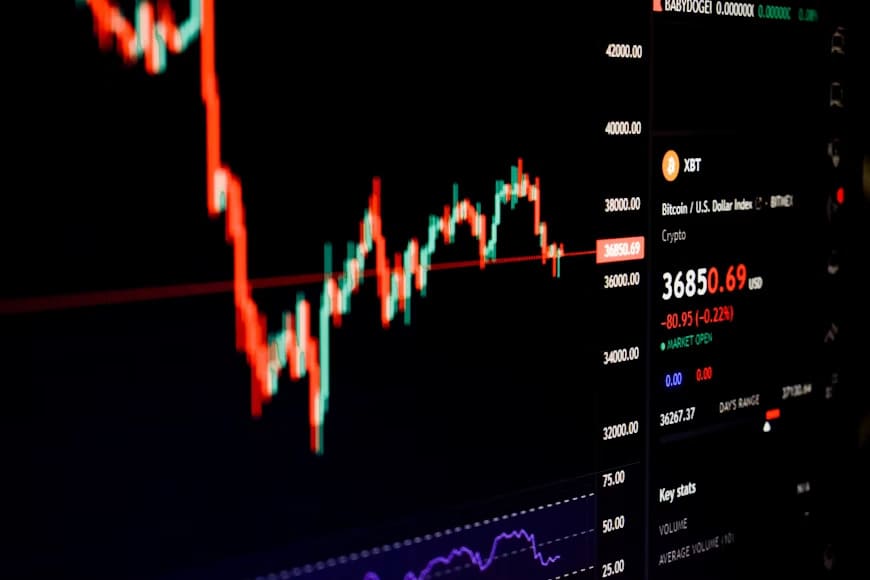
More broadly, ASTER’s recent coverage highlights how perceived endorsements, liquidity conditions, and token-program announcements can influence sentiment, sometimes quickly.
3. ZCash (ZEC): Privacy-focused roadmap and usage discussion
With renewed attention on online privacy, ZCash (ZEC) is again being discussed as a privacy-oriented digital asset. Recent price performance has been cited by some market observers as stronger than parts of the privacy-coin segment, though crypto prices can be volatile and past moves do not indicate future results.
The project’s developer communications have referenced possible future upgrades, including temporary addresses, multi-signature support, and easier private transactions. Some community reporting has also pointed to changes in the share of ZEC used in shielded (private) transactions; the exact level and its persistence can vary over time.
ZCash’s narrative in 2025 continues to center on privacy, usability, and how users respond to evolving regulatory and surveillance discussions.
4. Bitcoin Cash (BCH): Payments narrative and market positioning
Bitcoin Cash (BCH), created as a fork of Bitcoin, remains focused on the peer-to-peer payments use case. Market commentary has recently highlighted periods of increased trading activity, but price levels, “resistance” discussions, and target forecasts are inherently speculative.
BCH continues to be used in some payment and transfer contexts, including small-value transactions and cross-border transfers, depending on local adoption and merchant support. As with other assets, network usage and market conditions can shift quickly.
In 2025 coverage, BCH is often framed around practical payments, fee considerations, and competition with other payment-focused networks rather than purely speculative narratives.
Conclusion: Four different narratives, four different risk profiles
BlockDAG, Aster, ZCash, and Bitcoin Cash are being discussed for different reasons: project-reported fundraising and adoption metrics (BlockDAG), market attention tied to reported purchases and token-program updates (Aster), privacy-focused development plans (ZCash), and the payments narrative (Bitcoin Cash). Taken together, they illustrate how 2025 crypto coverage often mixes technology roadmaps, token economics, and shifting market sentiment.
For readers tracking major stories in 2025, these assets are often used as examples of how different themes—fundraising claims, liquidity and incentives, privacy functionality, and payments—can shape attention in the market.
This article contains information about a cryptocurrency token sale. This outlet is not affiliated with the project mentioned. This article is for informational purposes only and does not constitute financial or investment advice. As with any initiative within the crypto ecosystem, readers should do their own research and consider risks.

