

A low token price is not, by itself, a sign of strength or undervaluation. In crypto markets, many lower-priced tokens are early-stage and can be highly volatile. Some market participants track smaller projects beyond Bitcoin and Ethereum, including HYPER ($HYPER), MAXI ($MAXI), Pepenode ($PEPENODE), WEPE ($WEPE), and SNORT ($SNORT), to understand what they claim to be building and what risks may be involved.
Claims about “under $1” assets delivering extremely large returns are common in marketing, but outcomes are uncertain and losses are possible. Rather than focusing on unit price alone, it can be more useful to look at market capitalization, liquidity, distribution, development activity, and whether a project’s stated use case is credible and testable.
Below is a high-level look at why lower-priced tokens may attract attention and a checklist often used to evaluate smaller-cap assets.
How to Assess Lower-Priced Tokens
Price matters, but context matters more. A token trading under $1 is not automatically undervalued. Factors people often review include:
- Utility vs. market capitalisation: a small-cap asset may move more on news, sentiment, and liquidity conditions than on adoption.
- Tokenomics design: supply schedules, lockups, and incentives can affect selling pressure and distribution.
- Narrative alignment: sectors such as AI, DeFi, GameFi, and Web3 payments can influence attention, even when fundamentals are still developing.
These signals may help separate longer-term projects from short-lived hype cycles, but they do not remove risk.
Quick Evaluation Checklist
When assessing smaller or lower-priced tokens, consider:
- Does it have a clear use case that can be independently verified?
- Is there evidence of sustained community activity and transparent communications?
- Are the tokenomics and disclosures detailed enough to review?
- Is there a realistic path to adoption beyond a small group of crypto users?
Even with positive answers, early-stage tokens can remain speculative and sensitive to broader market conditions.
Smaller-Cap Altcoins and Market Attention
Lower-cap altcoins often attract attention because smaller valuations can be more reactive to news, listings, liquidity changes, and social sentiment. The projects below have been discussed online in that context; descriptions are based on publicly available project materials and should be treated as unverified until independently confirmed.
Bitcoin Hyper ($HYPER) – L2 Concept Linked to Bitcoin
Bitcoin Hyper is presented by the project as a Layer-2 ecosystem associated with Bitcoin and described as using the Solana Virtual Machine. Project materials also reference SPL compatibility for developers looking to port Solana applications, though the practical implications depend on execution, security assumptions, and adoption.
Maxi ($MAXI) – Meme Branding With Staking Claims
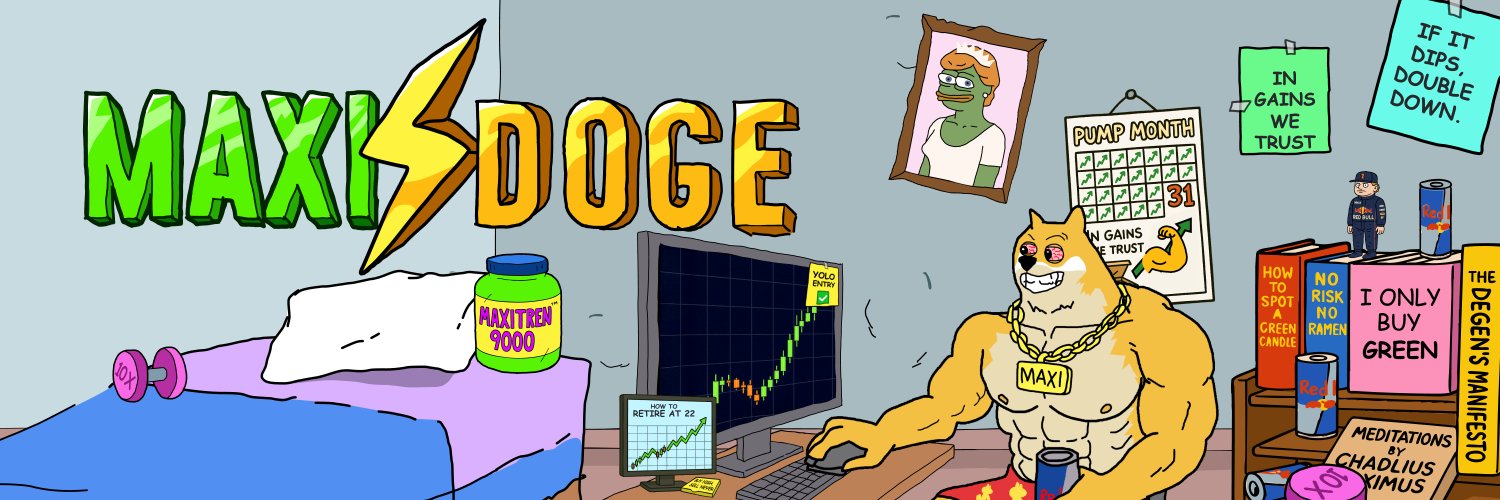
MAXI is marketed as a meme-themed token with a staking component. As with other staking programs, any advertised reward rates can change, may depend on token emissions and participation levels, and are not guaranteed returns.
PepeNode ($PEPENODE) – “Mining Rig” Gamification
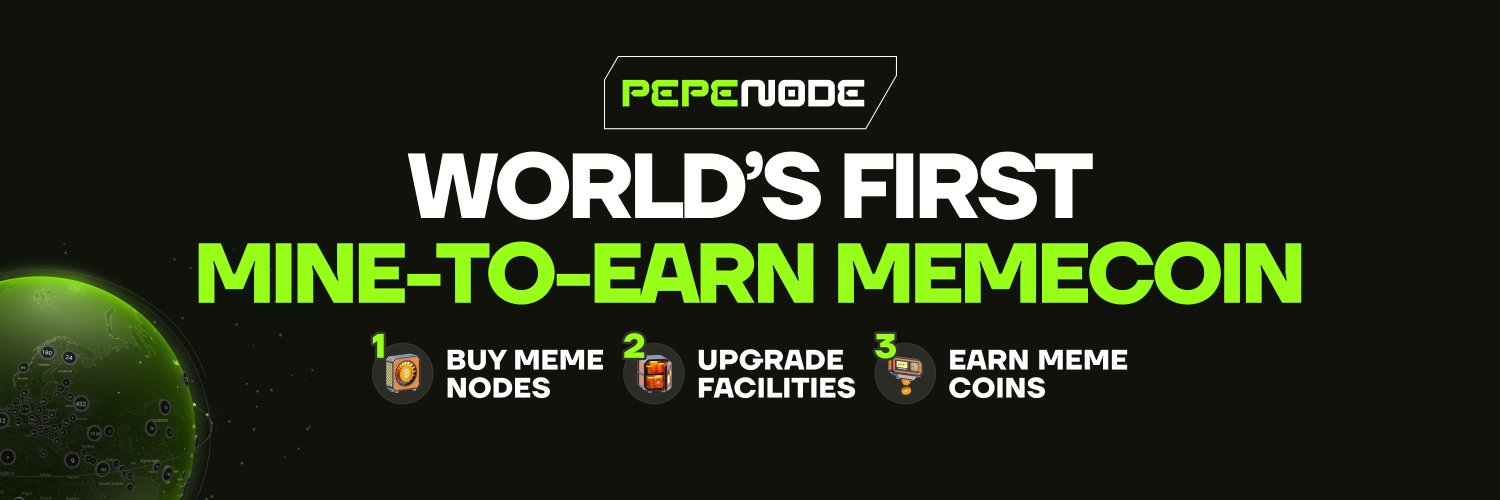
PepeNode describes itself as a meme token expanding toward utility features, including a concept of virtual mining rigs. The project also promotes staking incentives; as with any incentive model, terms and effective yields can vary and should not be treated as predictive of outcomes.
WEPE ($WEPE) – Web3 Payments Narrative
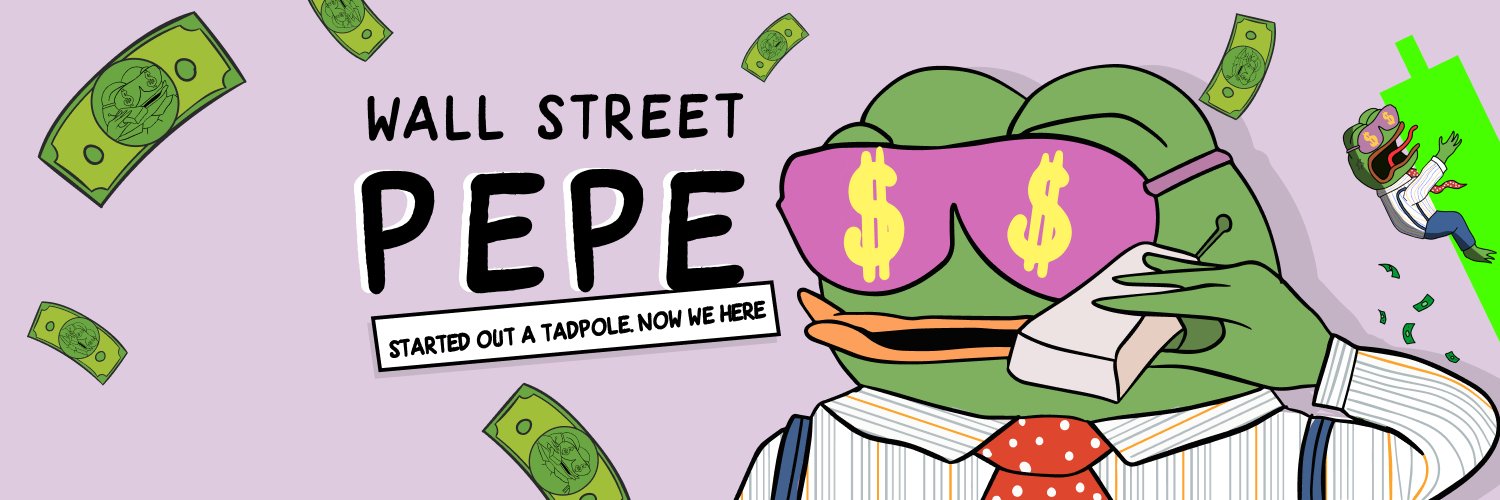
WEPE is presented as a token with meme branding and a payments-focused narrative. Project materials reference operation across Ethereum and Solana and include supply-management mechanisms such as burns. Whether these mechanisms meaningfully affect market dynamics can depend on liquidity, demand, and overall token distribution.
Snorter ($SNORT) – Telegram Trading Tool Concept
Snorter is described by the project as a Telegram-based tool aimed at Solana users for monitoring and trading newly issued tokens. Project communications also mention governance, staking, incentives tied to $SNORT, and potential multichain plans, which remain subject to delivery and market conditions.
Related link (for reference): Telegram-based platform
Conclusion
Lower-priced tokens can move sharply in either direction, and “cheap” pricing does not indicate safety or value. Anyone reviewing early-stage projects may want to focus on disclosures, security considerations, liquidity, and whether claims made in project materials can be independently verified.
FAQs
- Which projects are considered low-priced tokens with significant upside?
Market commentary often focuses on smaller-cap tokens with active communities and a stated use case, but potential outcomes are uncertain and vary widely. - How do smaller altcoins position themselves in a new market cycle?
Projects typically point to planned features, partnerships, and tokenomics. Whether those plans translate into adoption depends on execution, competition, and broader market conditions. - What signals suggest a low-priced token could be misunderstood rather than purely speculative?
Disclosures that can be checked, transparent development, realistic roadmaps, and credible security practices may be more informative than unit price alone. - Can small-cap tokens deliver very large gains?
Large gains are possible in some cases, but they are not predictable and many small-cap tokens also experience sharp drawdowns or fail entirely.
This outlet is not affiliated with the project mentioned. This article is for informational purposes only and does not constitute financial or investment advice.

