TL;DR
- The Bank of Thailand intensifies monitoring of USDT transactions and sellers.
- Forty percent of USDT sellers on local platforms operate from overseas.
- Authorities now treat stablecoin transfers like cash or gold movements.
The Bank of Thailand now tracks USDT transactions closely. Officials discovered foreign entities dominate stablecoin sales locally. Forty percent of USDT sellers on Thai platforms operate from overseas, according to central bank governor Vitai Ratanakorn. He stated these foreign participants “should not be trading” within Thailand’s jurisdiction.
Authorities treat stablecoins like physical cash transfers, gold deals, and digital wallet movements. All face intensified oversight under a national campaign targeting unregulated capital flows.
Daily cryptocurrency trading in Thailand averages 2.8 billion baht. This figure stays below the foreign exchange market’s 10 to 15 billion baht range. Yet officials refuse to ignore crypto’s potential role in moving questionable funds. Ratanakorn emphasized action over analysis. His institution will tackle structural weaknesses directly. Ignoring these issues risks long-term macroeconomic disruption.
Prime Minister Anutin Charnvirakul ordered stricter controls on January ninth. His directive covers gold markets and digital assets. New rules demand tighter reporting and enforce wallet identification protocols. The central bank coordinates with the Revenue Department and other agencies. Together they trace large or abnormal money movements.
Stablecoin expansion meets global scrutiny
Worldwide stablecoin circulation exceeds 292 billion US dollars. Tether’s USDT dominates this space with 187 billion dollars in supply. Circle’s USDC holds 75 billion dollars. These two tokens control most of the market.
Their growth parallels rising misuse in illegal activities. Chainalysis data shows stablecoins enabled 84 percent of illicit crypto transfers during 2025. Total unlawful volume reached at least 154 billion US dollars that year.
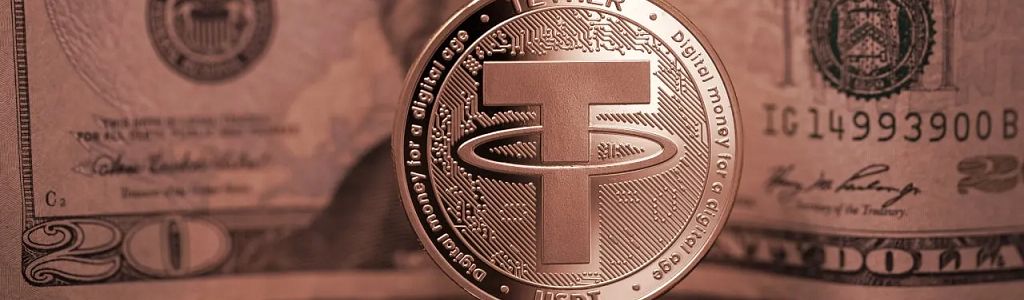
Tether claims cooperation with global law enforcement. The company freezes wallets violating U.S. sanctions lists. Since December 2023, it blocked over three billion US dollars in USDT. Representatives cite partnerships with 310 agencies across 62 countries. On January eleventh alone, Tether immobilized 182 million US dollars tied to five Tron blockchain addresses.
Controversy persists around USDT’s real-world applications. A Wall Street Journal report on January tenth detailed its function in Venezuela. There, the state oil enterprise uses stablecoins to bypass American sanctions. Roughly 80 percent of Venezuela’s oil income arrives via tokens like USDT. This pattern challenges regulators worldwide.
Thailand’s new monitoring reflects wider unease. Authorities seek transparency where digital assets intersect national finance. Stablecoins promise efficiency but carry tangible risks. Vigilance grows as adoption spreads.