Tokenizationās Worth Depends on Liquidity, Not Noveltyumento sin tĆtulo
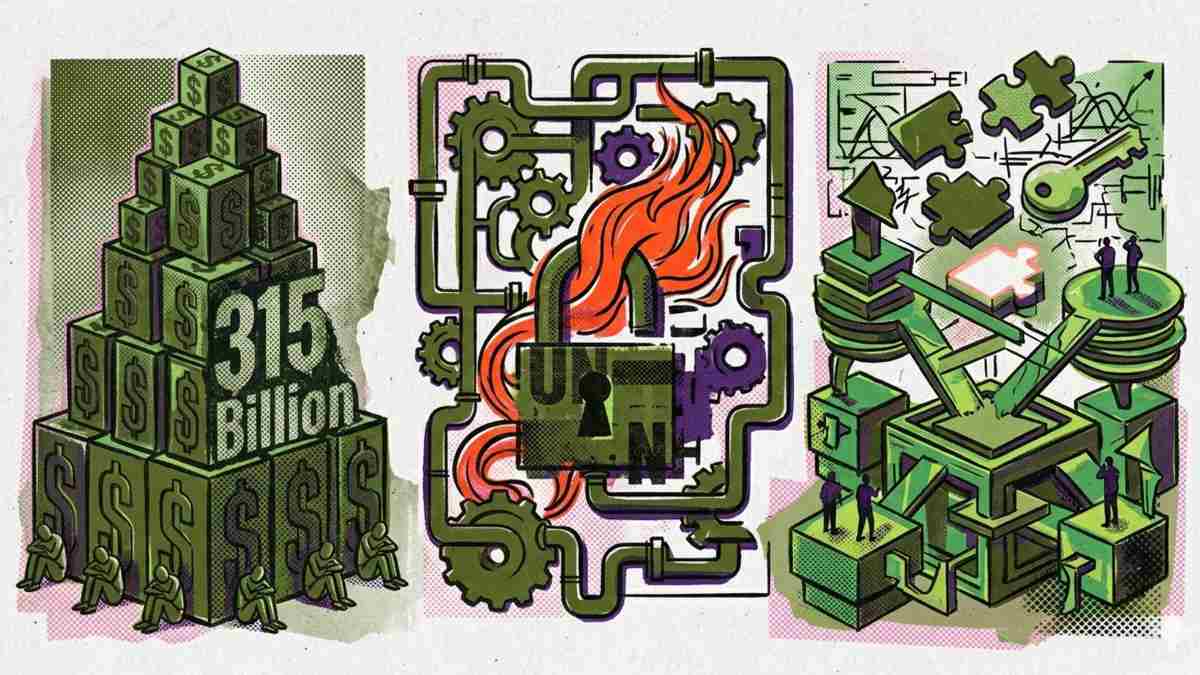
For nearly a decade, companies across the crypto sector bet on tokenizing obscure assets ā hard to sell, with practically nonexistent markets. The pitch sounded compelling:

For nearly a decade, companies across the crypto sector bet on tokenizing obscure assets ā hard to sell, with practically nonexistent markets. The pitch sounded compelling:

You donāt need to be a geopolitics expert to know that the price of oil and natural gas moves the world. From heating bills to food
Taiwan holds $605 billion in foreign reserves. More than 80% of the total sits in U.S. dollar-denominated assets. The Bitcoin Policy Institute just published a report

Stablecoins stopped being a technological promise at some point during 2025, though nobody organized a ceremony to mark it. There was no official announcement or memorable

Just two years ago, the idea that a spot Bitcoin ETF could trade on Latin American stock exchanges seemed remote. Today, Brazil hosts 22 ETFs with
Institutional investment in cryptocurrency stopped being anticipation long ago. Today it is reality. Hedge funds, trading firms, and asset managers constantly expand their operations in digital

Exchanges lost their monopoly. Five years ago, any Latin American user wanting to buy Bitcoin or Ethereum needed to register on specialized platforms: Binance, Kraken, Coinbase.

Privacy has become trendy. Walk into any Web3 conference, scan any blockchain research paper, or monitor governance debates within decentralized protocols and you encounter the word

“Quantum-Powered Crypto Mining Is HereāBut It Won’t Help You Mine Bitcoin” That headline appeared a few days ago in specialized media. The first reaction from many

When Dogecoin was created in 2013 as a parody of cryptocurrencies, few imagined that its mining would become a technologically sophisticated industryāand, for many, an unreachable
Ads
Follow us on Social Networks
Crypto Tutorials
Crypto Reviews
Ā© Crypto Economy