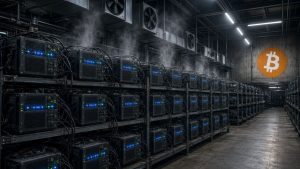
The reduction in block subsidies, squeezed margins, and a volatile hashprice have placed Bitcoin mining in the middle of one of the most demanding cycles in its history. And this entire challenging scenario unfolds while the baseline electricity cost sits around $48,694 per produced unit and transaction fees represent barely 1% of revenue, rendering the traditional model of scaling raw computing power without control obsolete. Facing the next halving projected for 2028, operational survival no longer depends on accumulating hardware, but on mastering energy efficiency.
Market Context
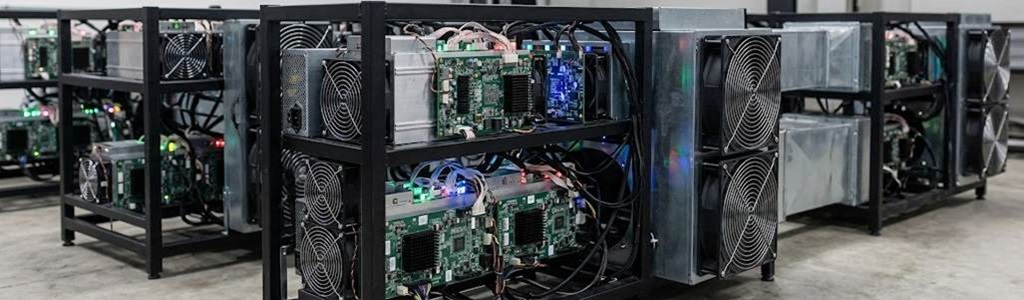
Miners’ profit margins are shrinking rapidly following the reward reduction to 3.125 BTC in 2024, accelerating the transition from buying and plugging in equipment toward strict operational discipline. With hashprice near $29 per PH/s per day, the historic strategy of deploying machines without financial optimization is officially dead. Leading operators are striving to maximize profitable hashrate through flexible power contracts, selective underclocking during cost peaks, and far more sophisticated treasury management.
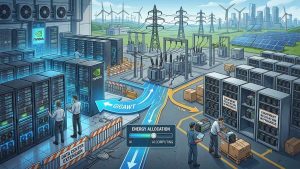
In this low-profitability landscape, mining infrastructure and the power grid have begun to merge organically. Reducing demand during moments of energy stress and diversifying revenue streams helps cushion capital and operational expenses. Mining is evolving into a global energy infrastructure industry where Bitcoin is simply one more line of business rather than the absolute king.
Technological Impact
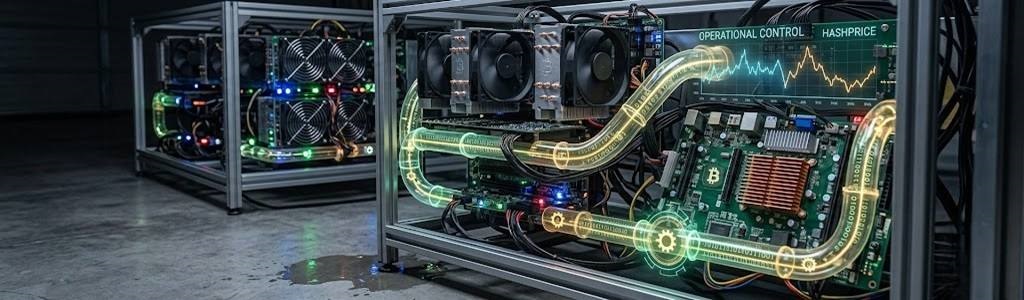
Software-level optimization via custom firmware is solidifying as the key tool for tuning ASIC voltage, frequency, and thermal management. Generic factory settings can waste up to 25% of a chip’s potential performance while burning expensive electricity, turning firmware into the difference between operating at a profit or quietly recording losses.
At the same time, advanced techniques such as dynamic load control and waste heat reuse for industrial processes or heating add secondary value to the same electrical input. Lean private operators with all-in costs between $50,000 and $64,000 per coin are best positioned, while the physical facilities of large public companies are transforming into data centers adapted for artificial intelligence and HPC.
Future Outlook
Undoubtedly, 10 years from now, Bitcoin mining will remain an energy-intensive activity, but its operating model will be fully integrated with electrical grid infrastructure. Competition will permanently shift toward access to stranded, renewable, or unutilized power, moving the sector away from pure speculation. The ability to absorb excess generation and act as a load balancer will turn mining sites into strategic energy assets.
In the coming decade, mining rigs will coexist within the same industrial complexes as advanced computing workloads. Hardware will become a secondary component, consolidating the power site and financial hedging strategy as the true valuable assets of the sector. The garage era is behind us, giving way to a mature and highly specialized corporate market.
The future of Bitcoin mining is no longer decided solely by the consensus algorithm, but in the global energy market. Those who master the intelligent conversion of every kilowatt-hour into monetary value will secure their place in the ecosystem, proving that the true strength of the network lies in its operational adaptability.