TL;DR:
- Developers from the Dogecoin Foundation successfully executed an experimental post-quantum transaction on the mainnet, confirming the protocol’s technical viability.
- The team proposes integrating the RE-EN (Revolutionary Encryption Network) to protect private keys and ensure compatibility with current infrastructure.
- Google warned that UTXO systems, such as Dogecoin’s, must migrate toward post-quantum cryptography to prevent future breaches.
Following recent warnings from Google regarding the vulnerability of non-tangible assets, the market’s largest meme coin is proving its mettle: Dogecoin tests quantum-resistant transactions, marking a historic milestone toward future-proof security.
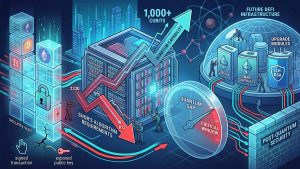
The technical focus centers on Dogecoin’s UTXO model, which can hide public keys behind cryptographic hashes. This architecture is vital, as the use of ephemeral keys drastically reduces the attack surface for high-powered quantum computers.
Timothy Stebbing, Director of the Dogecoin Foundation, confirmed that engineer Michi Lumin led the mainnet tests. These trials aim to mitigate the risks of “spending attacks,” where the key is briefly exposed during the transaction process.
Software engineer Ed Tubbs also validated these advances, noting that experimentation continues steadily. The urgency arises after Google categorized Dogecoin within a risk group that requires active user management to maintain security.
As the crypto sector evolves, the implementation of Post-Quantum Cryptography (PQC) has become a top priority. Developers emphasize that avoiding address reuse is currently the first line of defense for DOGE holders.
RE-EN Integration and the Future of Dogecoin Security
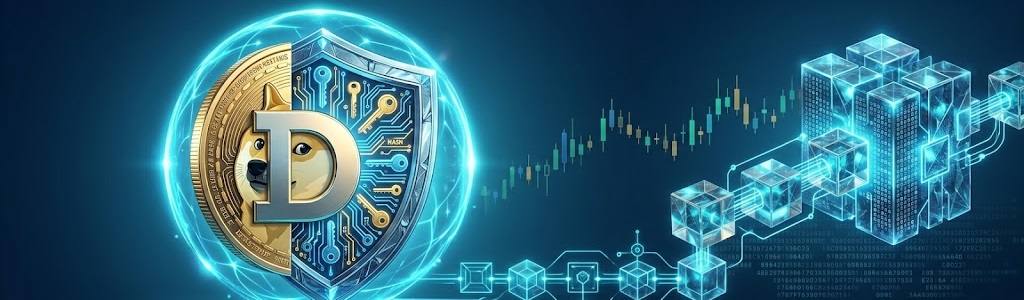
For 2025, the roadmap includes a formal proposal to integrate the Revolutionary Encryption Network. This next-generation encryption system would act as a robust shield for private keys without sacrificing processing speed.
This transition is fundamental to maintaining the trust of both institutional and retail investors. By adopting PQC standards, Dogecoin seeks to move beyond its humorous origins and position itself as a financially resilient and technologically advanced network.
Through the use of advanced connectors and real-time testing, the core team is demonstrating that scalability and security can coexist. The network is not just surviving trends but preparing itself for the era of extreme computing.
Ultimately, the success of these experimental transactions marks a turning point in the memecoin industry. Dogecoin is thus consolidating its position as a dynamic ecosystem that prioritizes asset integrity against emerging technological threats.