TL;DR:
- Ripple Labs is developing a native oracle to connect traditional banking data with the blockchain, directly targeting Chainlink’s (LINK) current dominance.
- The Real-World Asset (RWA) market, valued at $25 billion, is the primary target following the massive adoption of tokenization by firms like BlackRock.
- The 2025 implementation of the ISO 20022 standard positions XRP as a strategic bridge for SWIFT institutions to settle payments interoperably.
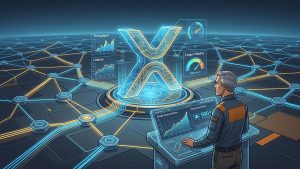
The digital finance ecosystem is witnessing an unprecedented technical race. Ripple is quietly developing an oracle designed to query banking ledger data, seeking to position XRP as the ultimate resource for global banking against solutions like Chainlink.
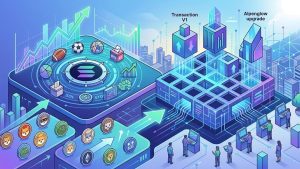
This strategic move comes as the tokenized asset (RWA) market reaches a capitalization of $25 billion. Unlike other systems, Ripple’s oracle seeks to offer high-precision on-chain real-value quantification, taking advantage of the fact that the XRP Ledger began testing on SWIFT payment rails back in 2025.

Interoperability and the ISO 20022 Standard
The competition is intensifying because, although Chainlink possesses the Cross-Chain Interoperability Protocol (CCIP), payments are not always settled in its native token. In contrast, Ripple’s infrastructure features native support for the ISO 20022 messaging standard, facilitating direct integration with banks using SWIFT.
Consequently, the ability of this new oracle to reflect the real prices of physical assets could be the catalyst that financial institutions have been waiting for. It is anticipated that by the end of the first quarter of 2026, most SWIFT-associated banks will adopt data models compatible with this technology.
However, the regulatory landscape continues to present challenges. Uncertainty surrounding the Clarity Act could trigger delays in institutional adoption despite technical progress.
In summary, the development of this oracle marks a turning point where Ripple evolves from just a payment network into a fundamental data layer for the global economy.