TLDR
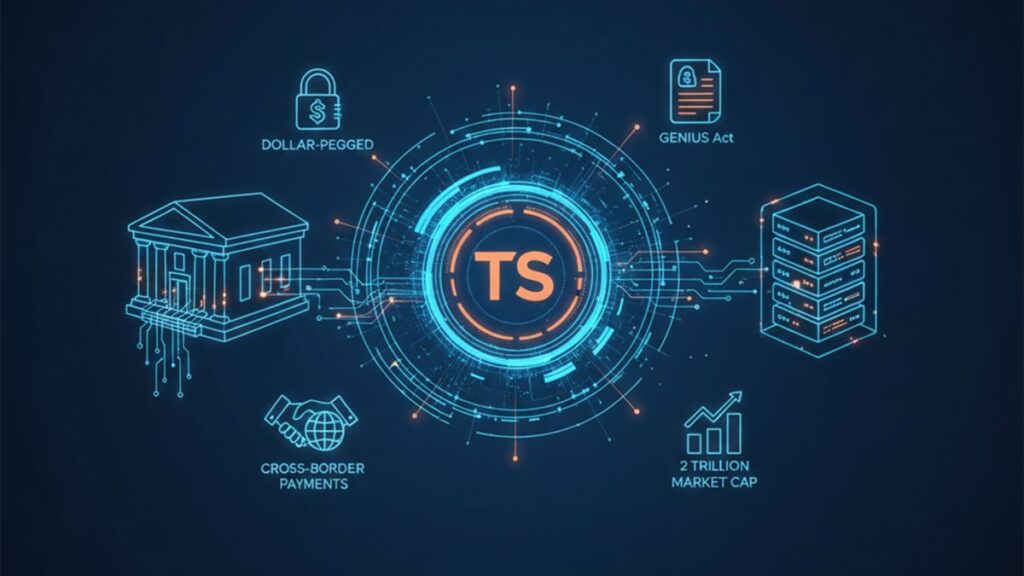
- TruStage, which serves 93% of all US credit unions, is launching TSDA, a dollar-pegged stablecoin.
- The initiative emerges under the GENIUS Act framework to ensure federal compliance and security standards.
- The asset will initially be used for loan settlements, cross-border remittances, and peer-to-peer payments.
Technology giant TruStage announced this Tuesday the launch of the TruStage stablecoin (TSDA). This digital asset, backed 1:1 by cash reserves, was developed through a strategic alliance with the blockchain infrastructure firm Block Time Financial.
Thanks to this collaboration, financial institutions will be able to adopt a modern payments infrastructure without compromising their security. Therefore, TruStage will act as the direct issuer and reserve manager, while its technological partner will provide the operational capabilities and necessary digital accounts.
The primary goal of this innovation is to unlock a market segment that has remained on the sidelines of crypto technology until now. According to company executives, interest in these solutions has reached unprecedented levels thanks to the regulatory clarity provided by recent federal laws.
Use Cases and Pilot Phase for the Financial Sector
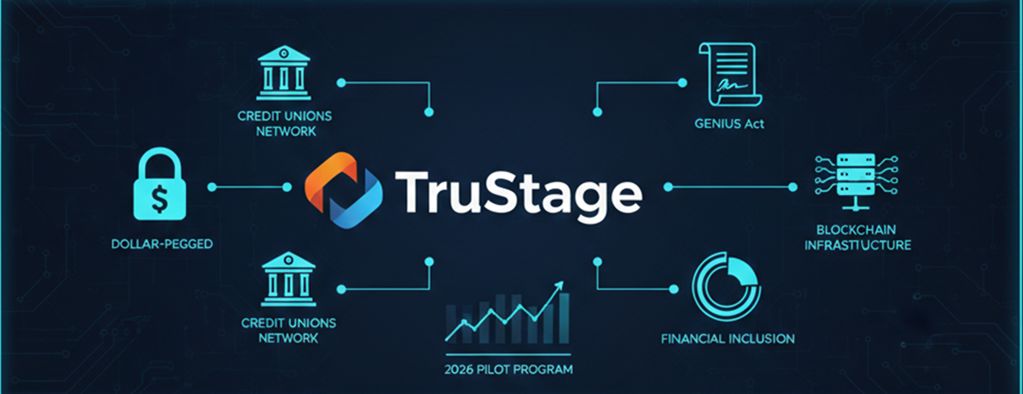
The implementation of TSDA will begin with a pilot program to be conducted during the first half of 2026. In this regard, the company is already actively recruiting various credit unions to test the system in real-world environments for loan funding and operational disbursements.
In addition to optimizing internal transactions, the stablecoin is expected to facilitate cross-border payments, reducing intermediation times and costs. Consequently, this tool aligns with TruStage’s mission to strengthen financial inclusion and trust within the growing digital economy.
In summary,the launch of the TruStage stablecoin is a major step in the convergence of traditional banking and digital assets. With projections placing the stablecoin market at $2 trillion by 2028, this initiative positions credit unions at the forefront of institutional efficiency.