

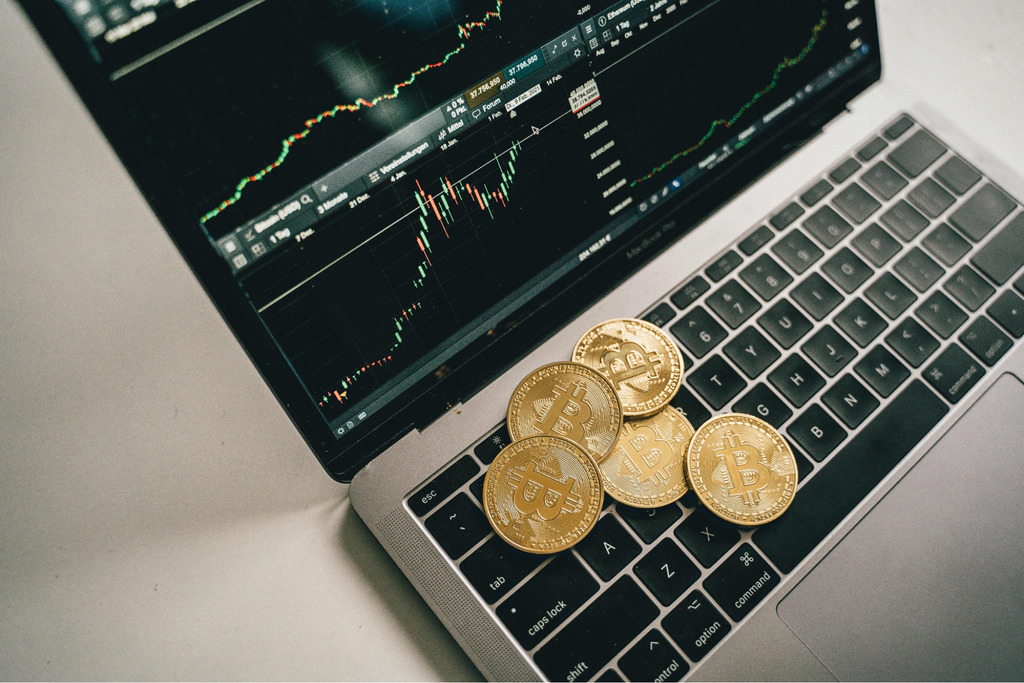
The year 2026 finds crypto markets moving faster and becoming more interconnected than ever. Price action is influenced not only by speculation but also by technology upgrades, regulatory updates, and real-world adoption.
Early signals of substantial changes often fly under the radar of common headlines. Here are five ways to track crypto trends effectively in 2026.
1. Track On-Chain Activity Instead of Price Alone
On-chain data provides insight into a network’s actual usage rather than just token trading. Metrics such as active addresses, transaction volumes, fee patterns, and validator participation offer measurable links between network activity and price movement.
In 2026, on-chain analytics tools are increasingly accessible, transforming complex blockchain data into clear adoption and health indicators. Regularly reviewing these metrics helps identify genuine growth and distinguish it from short-term hype.
2. Use Exchanges as Market Intelligence Hubs
Modern crypto exchanges are more than trading platforms—they act as information centers. Listing decisions, staking incentives, and liquidity allocation often reflect broader market confidence and long-term asset potential.
Educational initiatives and content from exchanges, such as tutorials or simplified guides on assets. An example could be how Kraken makes Buying Bitcoin simple. This may indicate where platforms see sustainable demand. Monitoring these signals can provide insight into underlying trends and infrastructure priorities.
3. Follow Developer Activity and Protocol Upgrades
Innovation in crypto usually begins with developers, not traders. Tracking protocol upgrades, governance proposals, and testnet launches can provide early insight into a project’s trajectory before market prices react.
Developer momentum can also be assessed through code updates, grant programs, and ecosystem partnerships. In 2026, projects with active development teams are often the best positioned to adapt to regulatory and scaling requirements.
4. Keep an Eye on Regulation and Macro Signals
Crypto markets are increasingly influenced by global economic conditions and regulatory developments. Policy updates, tax clarifications, and institutional rules can affect both adoption and price movements.
Staying informed on regulatory changes, alongside traditional financial news, allows for proactive rather than reactive decisions, particularly as institutions, custodians, and cross-border payment systems adjust to new requirements.
5. Curate Experts and Filter Information Carefully
With the vast amount of crypto content available, selective consumption is essential. Following a small number of credible analysts, researchers, and developers provides more reliable insights than chasing trending posts.
Long-form analysis, newsletters, and focused communities can add context and depth that social feeds often lack. Filtering information intentionally helps maintain a clear perspective while avoiding overload.
Conclusion
In 2026, understanding crypto trends requires more than tracking prices or social media buzz. Real insights come from network usage, developer activity, exchange signals, and regulatory context.
By integrating these sources, investors and enthusiasts can navigate the ever-shifting crypto landscape with greater clarity and confidence.
Press releases or guest posts published by Crypto Economy have been submitted by companies or their representatives. Crypto Economy is not part of any of these agencies, projects or platforms. At Crypto Economy we do not give investment advice, if you are going to invest in any of the promoted projects you should do your own research.

