


Some crypto projects use themed branding to attract attention. One example is La Culex ($CULEX), which the team presents as a meme-focused token associated with a token sale. This article summarizes project-stated details and briefly references several widely followed cryptocurrencies mentioned alongside it.
Beyond La Culex, the broader market includes established networks such as Ethereum, Solana, Ripple (XRP), Bitcoin, Binance Coin (BNB), Avalanche (AVAX), and TRON (TRX). These assets differ significantly in maturity, liquidity, governance, and risk profile. Mentions below are general and should not be read as a ranking or recommendation.
La Culex ($CULEX): Project overview
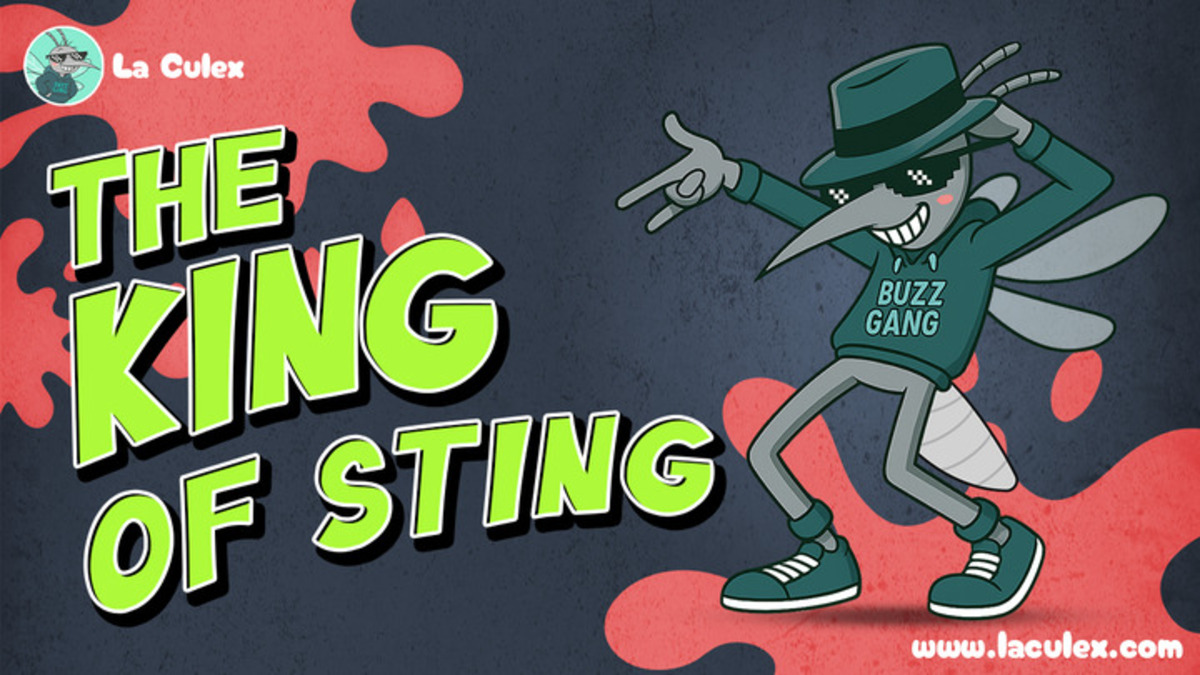
According to the project’s public materials, La Culex is a meme-branded token on Ethereum. The team has described a staged token-sale structure and has published figures such as a quoted token price and amounts raised. These claims are not independently verified in this article, and token-sale terms can change.

The La Culex ecosystem: claims described by the project
Project materials describe features such as referral-style incentives, a staking mechanism, and token supply changes (often referred to as “burns”). If implemented as described, these would influence how the token is distributed and how participants interact with the network. Readers should review primary documentation (including smart-contract information, if available) and consider the technical and financial risks typical of early-stage tokens.
Participation process (as described by the project)
- Wallet requirements: Participation may require an Ethereum-compatible wallet.
- Network fees: Transactions on Ethereum may involve network (gas) fees in addition to any token purchase amount.
- Token allocation: Projects often describe how tokens are allocated and when they can be claimed; these timelines can vary.
- Staking and incentives: Any staking or incentive program is project-defined and may change; outcomes are not guaranteed.
Ethereum (ETH): Smart-contract platform
Ethereum is a widely used smart-contract network with a large developer ecosystem. Market participants often monitor indicators such as validator participation and transaction activity when discussing network usage. Staking outcomes can vary over time and depend on factors such as network conditions, validator performance, and fees.
The Ethereum ecosystem supports NFTs, DeFi applications, and other decentralized services. As with any digital asset, price movements can be volatile and are influenced by broader market conditions.
Solana (SOL): High-throughput Layer 1
Solana is a Layer-1 blockchain known for relatively low transaction costs and high throughput under certain conditions. Observers commonly follow network activity, developer adoption, and application usage when assessing its ecosystem. Like other networks, it has also experienced operational challenges at times, which can be relevant when evaluating risk.
Ripple (XRP): Payments-focused network
XRP is often discussed in the context of cross-border payments and related infrastructure. Ongoing legal and regulatory developments are frequently cited by market participants as factors that may affect risk perceptions and adoption narratives.
Bitcoin (BTC): Long-running network
Bitcoin is the oldest and most widely recognized cryptocurrency by market capitalization. Analysts and traders commonly reference factors such as network security metrics, liquidity, and broader adoption when discussing BTC’s role in the market. As with all cryptocurrencies, BTC can experience sharp price swings.
Binance Coin (BNB): Exchange-ecosystem token
BNB is used within the Binance ecosystem for various functions, including transaction fees and applications built on BNB Chain. Commentary about BNB often focuses on ecosystem usage, token supply changes described by the issuer, and activity across associated products and services.
Avalanche (AVAX): Smart-contract platform
Avalanche is a Layer-1 blockchain designed to support smart contracts and multiple application environments. Discussions around AVAX often reference developer activity and usage across decentralized applications, alongside general market conditions.
Final thoughts
Early-stage token sales and meme tokens can involve additional risks, including limited liquidity, smart-contract vulnerabilities, and changing project terms. Larger networks such as Ethereum, Solana, XRP, Bitcoin, BNB, Avalanche, and TRON have different risk drivers, but are also subject to volatility and regulatory uncertainty.
This article is for informational purposes only and does not constitute financial or investment advice.
This outlet is not affiliated with the project mentioned.
For more information (project sources)
Website: Visit the Official CULEX Website
Twitter/X: Follow CULEX on X (formerly Twitter)
Frequently asked questions about La Culex token sale
Is La Culex guaranteed to reach any specific listing price?
No. Token sales are speculative, and outcomes can be affected by market volatility, liquidity conditions, and changes to project plans.
How does Ethereum staking return work?
Staking returns are variable and depend on network conditions, validator performance, fees, and protocol changes.
What are common risks of early-stage token-sale tokens?
Potential risks can include limited liquidity, smart-contract vulnerabilities, regulatory uncertainty, and changes in market sentiment.
How do market participants typically approach risk across different cryptoassets?
Approaches vary, but discussions often include position sizing, liquidity considerations, and exposure across different assets rather than concentrating in a single token.
What data do traders commonly monitor for altcoins?
Commonly referenced data includes price and volume trends, order-book liquidity, and ecosystem activity, though none of these indicators can predict future performance.
Glossary of key terms
- Token sale: A process where a project distributes tokens to participants, sometimes before trading on an exchange.
- Tokenomics: The economic design of a cryptoasset, including supply, incentives, and any supply-adjustment mechanisms.
- Staking: Locking crypto in a network mechanism that may provide variable rewards, depending on protocol rules and conditions.
- Total Value Locked (TVL): A metric often used in DeFi to estimate the value of assets deposited in protocols; definitions can vary by source.
- ROI (Return on Investment): A way to express gains or losses relative to an initial amount; it does not indicate future outcomes.
Summary
This article summarizes project-stated information about La Culex ($CULEX) and briefly references several major cryptocurrencies mentioned alongside it (including Ethereum, Solana, XRP, Bitcoin, BNB, Avalanche, and TRON). It is not a ranking and does not recommend buying, selling, or holding any asset.
This article is for informational purposes only and does not constitute financial or investment advice. This outlet is not affiliated with the project mentioned. Cryptoassets are volatile, and participants should review primary materials and consider risks before making decisions.

