

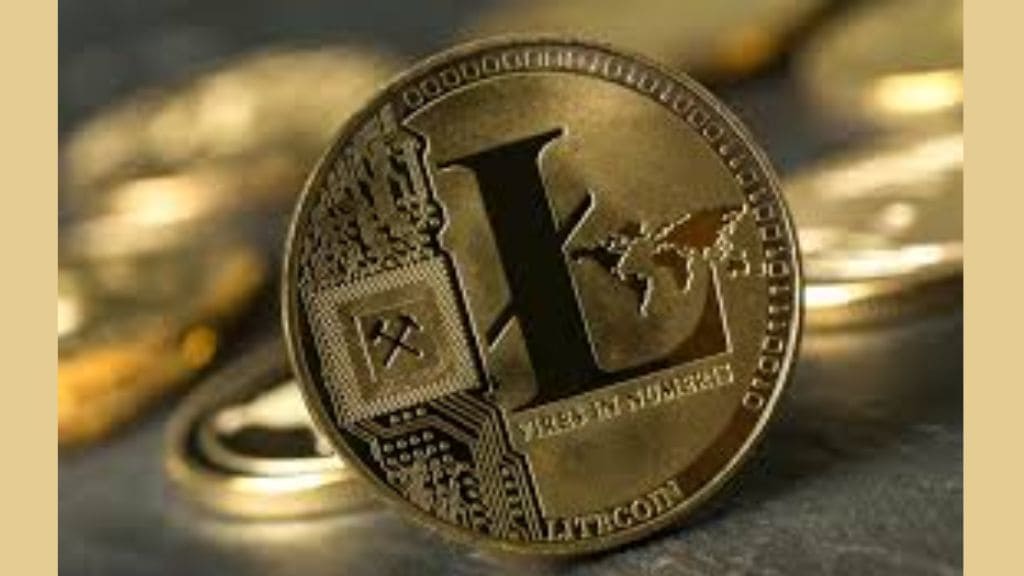
Early-stage token sales continue to attract attention during periods of elevated market volatility. While large networks such as Solana ($SOL) trade with established liquidity and broader market participation, newer projects such as BullZilla ($BZIL) are marketing a token sale that combines meme-coin branding with supply and staking features described in its materials.
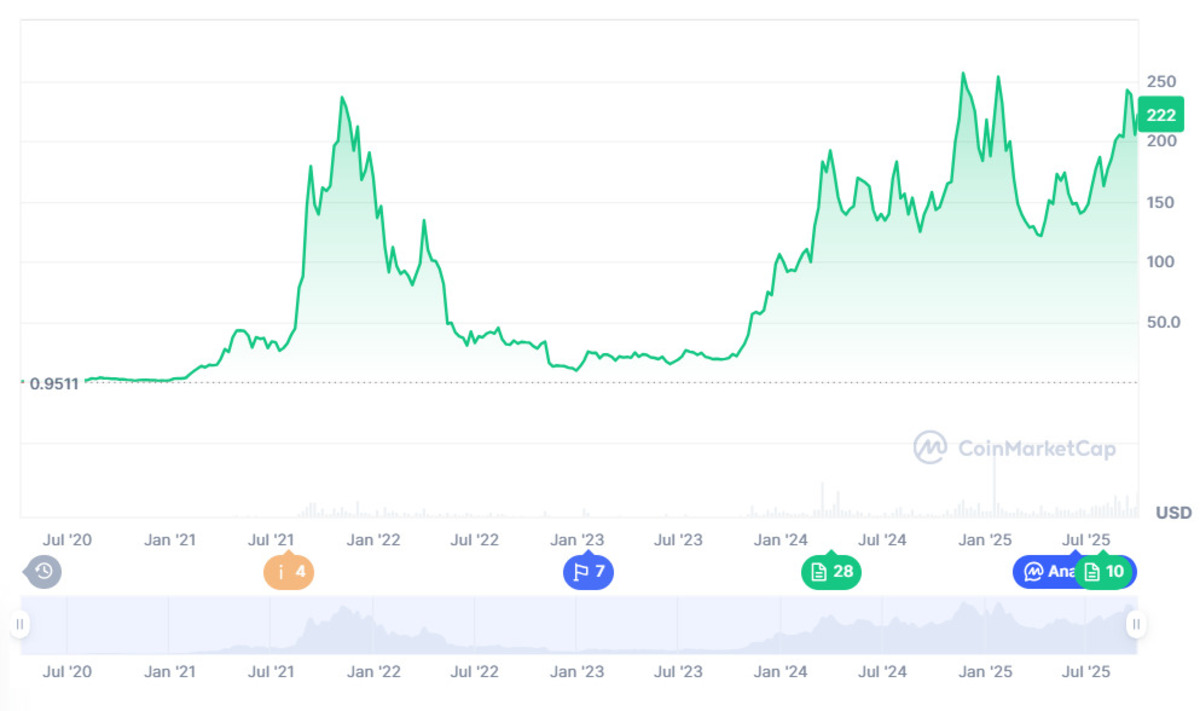
Crypto markets have remained volatile in 2025, with meme tokens showing sharp price swings and broader narratives shifting quickly. Solana has recovered from earlier technical and reliability concerns and continues to see activity across NFTs, DeFi, and other Web3 use cases. Separately, BullZilla says its token sale uses “progressive pricing,” token burns, and a staking program; these claims have not been independently verified.
BullZilla ($BZIL): Token sale claims and mechanics (project-reported)
BullZilla ($BZIL) describes a token sale that advances by milestones rather than fixed calendar dates, with price changes triggered by fundraising totals or time intervals. As presented by the project, this structure is intended to encourage earlier participation, but it also increases the importance of understanding terms, smart-contract risk, and liquidity conditions after any listing.
According to figures published by the project, BullZilla reported being in “Stage 5 (Roar Drop Incoming, Phase 3)” and listed a token sale price of $0.00012574 at the time of writing. The project also reported more than 30 billion tokens sold, more than 2,500 holders, and fundraising totals exceeding $770,000. Any statements about future performance, potential returns, or post-listing pricing should be treated as promotional projections rather than outcomes.
The project also states that its price increases occur in smaller increments and may be tied to fundraising or time-based triggers. Readers should be aware that staged pricing models can vary widely in execution, and that token sale participation can involve significant risks, including contract vulnerabilities, illiquidity, and high post-launch volatility.
Why these mechanisms are framed as an advantage by the project
BullZilla’s materials describe a “Roar Burn” feature that reduces token supply during defined milestones, alongside a themed storyline (“Lore Bible”) used to structure community updates. Supply-reduction mechanisms do not guarantee price support, and their impact depends on market demand, liquidity, and how tokens are distributed and held.
The project also promotes a staking system called the “HODL Furnace.” As with any staking or lock-up design, outcomes depend on the underlying rules, smart-contract security, and the availability of an active market for the token.
Staking and lock-up program terms (project-reported)
BullZilla states that, after the token sale, its “HODL Furnace” program would allow holders to lock tokens and earn rewards, including a stated rate of 70% APY. APY figures are typically variable, depend on distribution rules and participation levels, and are not a guarantee of returns.
Lock-ups can reduce circulating supply in the short term, but they can also concentrate risk and may affect liquidity when tokens become unlockable. Readers should review the project’s documentation, contract addresses, and any third-party audits (if available) before relying on claims about supply, burns, or staking rewards.
Solana ($SOL): Network activity and market context
Solana remains one of the larger smart-contract networks by market value and is widely used across DeFi, NFTs, and other on-chain applications. Its market behavior is typically driven by broader crypto risk sentiment, network usage, and macro factors such as liquidity and regulation.
As of the figures cited in this article, Solana traded at $222.20, with a market cap of $120.75 billion and daily trading volume around $8.54 billion. The text also referenced recent percentage changes over multiple time horizons and Solana’s historical all-time high and low; past performance does not predict future results.
Some market commentators have suggested Solana could revisit the $300 level over the coming months, but such targets are speculative and depend on market conditions that can change rapidly.
For market participants comparing assets like SOL with early-stage tokens, key differences include liquidity depth, operational history, and the higher uncertainty typically associated with newly issued tokens.
Conclusion: Two different risk profiles
This article contrasts a large, liquid network asset (Solana) with an early-stage token sale (BullZilla) based on information presented in public materials. Solana’s market is broader and more established, while early-stage token sales typically carry additional risks related to disclosures, contract security, liquidity, and post-launch market dynamics.
BullZilla’s published figures and descriptions (including stage names, token counts, burns, and staking terms) are project-reported and should not be treated as guarantees. Readers should consider independent verification and risk controls when evaluating any token sale participation.
For More Information:
BZIL Telegram Channel
Follow BZIL on X (Formerly Twitter)
Frequently Asked Questions about token sales and meme-coin launches
How do meme-coin token sales typically work?
Token sales are often announced via official websites and social channels. Details can include staged pricing, vesting schedules, lock-ups, or supply changes. Always verify contract addresses using reputable explorers (such as Etherscan or BSCScan, depending on the network) and compare information across multiple sources.
How can readers evaluate a token sale claim?
Common checks include reviewing the project’s documentation, identifying the team (when disclosed), examining token distribution and vesting terms, and looking for independent security audits. Claims about burns, staking rates, or future listings should be treated cautiously.
Can analysts reliably predict which meme coin will perform best?
No. Meme-coin performance is highly speculative and can be driven by sentiment, liquidity, and social attention. Forecasts and “top picks” are opinions rather than verified outcomes.
Do meme coins have a long-term future?
Some tokens maintain communities for extended periods, but longevity varies. Factors can include liquidity, ongoing development (if any), exchange support, and how the token’s economics are designed and communicated.
What are common risks in early-stage token launches?
Risks can include smart-contract vulnerabilities, limited liquidity, price manipulation, unclear disclosures, and extreme volatility. Participants should also consider regulatory and tax implications in their jurisdiction.
Glossary of Key Terms
- APY: Annual Percentage Yield, a quoted annualized reward rate used in some staking programs.
- Burn: Permanent removal of tokens from circulation.
- Token sale: A token distribution event that occurs before or around a public market listing.
- Mutation Mechanism: BullZilla’s described system in which price changes occur based on fundraising milestones or time intervals.
- ROI: Return on Investment.
- HODL Furnace: BullZilla’s name for its staking/lock-up program that it advertises with a stated 70% APY.
- Market Cap: Value of circulating supply (price × circulating supply).
- ATH/ATL: All-Time High/Low price.
- Liquidity: Ease of trading an asset without major slippage.
- DeFi: Decentralized Finance protocols.
Summary
This piece reviews Solana ($SOL) market context and summarizes claims made by BullZilla ($BZIL) about its token sale, supply-reduction (“burn”) mechanics, and staking/lock-up program. Any price targets for SOL and any token sale projections for BZIL are speculative and should not be interpreted as guarantees.
Disclaimer
This article is for informational purposes only and does not constitute financial or investment advice. This outlet is not affiliated with the project mentioned. Cryptocurrency markets are volatile and unpredictable; past performance is not indicative of future results. Always conduct independent research and consult a licensed financial advisor before making financial decisions.
This article contains information about a cryptocurrency token sale. Crypto Economy is not associated with the project. As with any initiative within the crypto ecosystem, we encourage users to do their own research before participating, carefully considering both the potential and the risks involved. This content is for informational purposes only and does not constitute investment advice.

