

Smart contracts are entering a phase where usability is becoming as important as performance. Some blockchain teams are focusing on lowering barriers for everyday users while aiming to keep systems secure and scalable. Tools that once required deep familiarity with specific programming languages are increasingly being presented through more visual and guided interfaces.
This shift is influencing how Web3 products are built, and several projects are positioning themselves around easier smart-contract workflows. One of them is BlockDAG, which describes a Low-Code Smart Contract Builder with a drag-and-drop interface aimed at simplifying contract deployment. The sections below outline how BlockDAG, XRP, Solana, and Pi Network approach smart-contract accessibility, based on publicly available information and project materials.
1. BlockDAG: Visual Smart Contracts With Real Infrastructure Behind Them
BlockDAG says it is working to simplify how people interact with smart contracts. According to the project, its Low-Code Smart Contract Builder is designed to let users assemble contracts through a visual interface without writing code, using selectable components and guided configuration before deployment. If implemented as described, this approach could be relevant for teams exploring tokenized assets or NFTs without relying entirely on custom development.
BlockDAG also describes a hybrid DAG + Proof-of-Work design and states a throughput range of 2,000 to 15,000 TPS. The project says its live testnet supports the builder alongside wallets, miner integration, and explorer tracking. It also claims contracts created through the low-code builder are validated in a comparable manner to Solidity-based workflows, although the specific security properties depend on the final implementation and independent review.

In its own reporting, BlockDAG says it has raised nearly $420 million, has more than 312,000 holders, and has shipped over 20,000 X-series miners. The project has also publicized token-sale “batch” pricing and fixed-rate purchase terms; however, these are marketing and participation details that can change and should not be interpreted as indicating future price performance. BlockDAG (BDAG) is therefore best viewed here as an example of a project emphasizing easier smart-contract deployment, rather than as a recommendation.
2. XRP: Strength in Payments, Limited Progress in Accessibility
XRP remains focused on infrastructure for payments and institutional use cases. The XRP Ledger is widely described as fast and scalable, and Ripple has announced a range of partnerships and pilots in multiple regions. These efforts are typically framed around cross-border settlement and remittances rather than consumer-facing smart-contract creation.
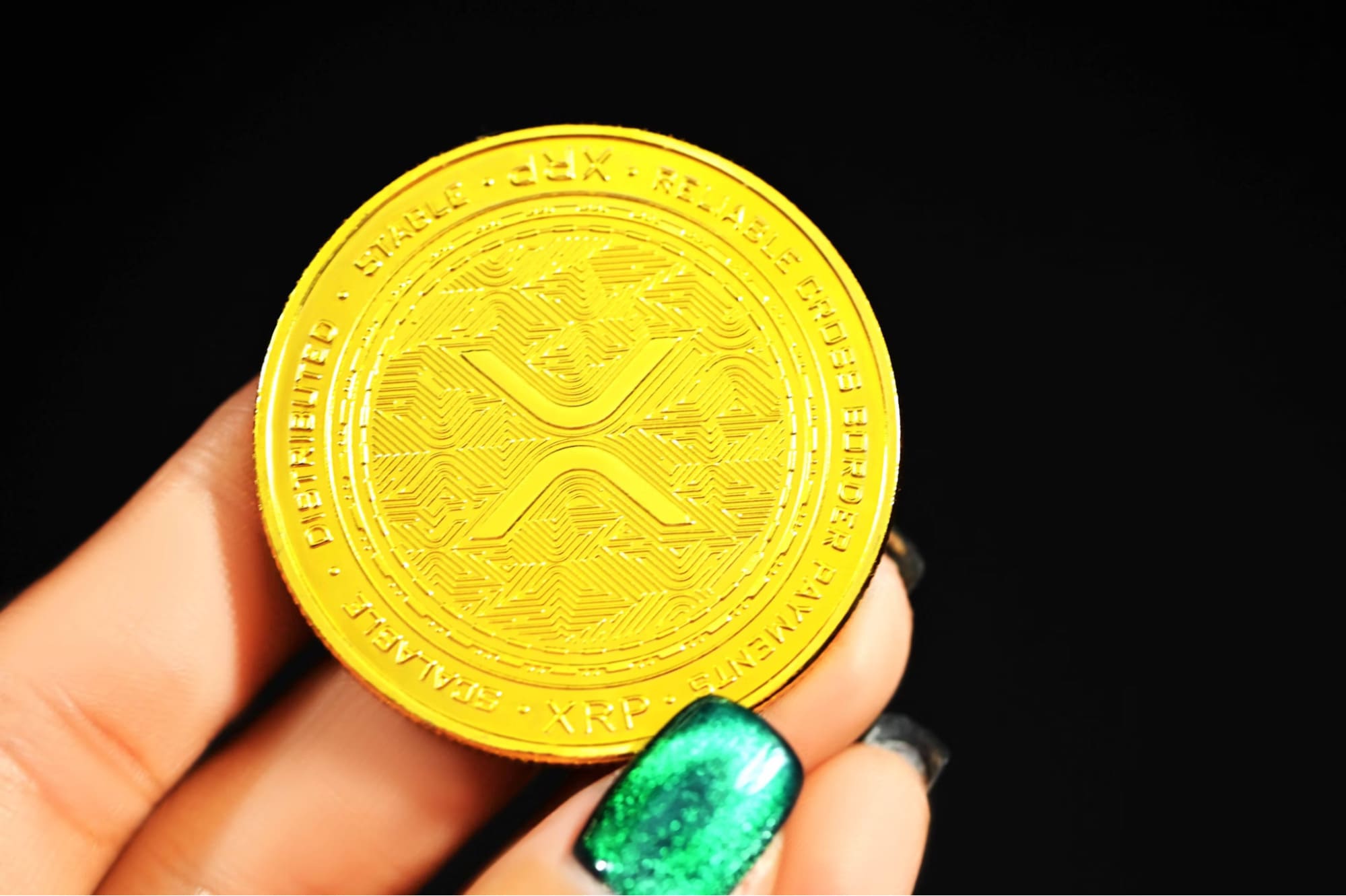
In terms of making smart contracts easier for non-technical users, XRP-related approaches can still be developer-centric. While the Ledger has smart-contract capability via Hooks and through sidechain efforts, deploying and managing this functionality generally requires technical setup. As a result, XRP is often discussed more as payments infrastructure than as a simplified smart-contract creation tool for everyday users.
3. Solana: High-Speed Chain With a Steep Learning Curve
Solana is frequently highlighted for high throughput and comparatively low fees. Its architecture (including Proof-of-History and related consensus mechanisms) has supported activity in areas such as NFTs, DeFi, and games where fast confirmation can matter. Solana has also pursued mobile-related initiatives through integrations and applications.
The accessibility challenge is that Solana programs are commonly written in Rust, which can be difficult for newcomers and for developers migrating from other ecosystems. Tooling has improved, but contract development and deployment still tends to be oriented toward technical users rather than visual or low-code builders. That leaves a gap for projects trying to make smart-contract deployment more approachable.
4. Pi Network: Expanding Community Without Full Utility
Pi Network is often characterized by its large community and mobile-first onboarding. Its “tap-to-mine” approach has introduced many users to crypto concepts through a simplified interface, and the project has discussed continued ecosystem expansion.
From a smart-contract perspective, Pi’s tooling and full on-chain utility remain limited compared with mature smart-contract platforms. While the project has discussed plans that could include broader application support, there is not yet a widely used, user-friendly deployment workflow comparable to established developer platforms or dedicated low-code builders. Much activity has also been described as occurring in more controlled environments prior to broader mainnet functionality.
Which is the Best Crypto to Invest in Now
Choosing between these networks depends on the use case being considered, and “best” is inherently subjective. XRP is commonly discussed in the context of payments and institutional infrastructure, Solana emphasizes performance for on-chain applications, and Pi Network has focused on community-led onboarding. BlockDAG, based on its own materials, is placing emphasis on lowering the technical barrier to creating and deploying smart contracts via a low-code interface connected to a testnet.

BlockDAG has also published figures such as nearly $420 million raised and 26.6 billion tokens sold as part of its token-sale reporting. These numbers and any referenced sale terms do not indicate how the token may perform in the future, and participation in token sales can involve significant risk, including the potential loss of funds. Readers looking to compare smart-contract accessibility may focus on the maturity of developer tools, documentation, security audits, and real-world usage rather than promotional claims. For reference, the project’s website is available here: best crypto to invest in now.
This article contains information about a cryptocurrency token sale. This outlet is not affiliated with the project mentioned. This article is for informational purposes only and does not constitute financial or investment advice.

