

The crypto market in October 2025 remains volatile, with projects competing for attention as established platforms continue to evolve. Some project marketing materials describe a search for the best new coins for exponential returns, though outcomes are uncertain and depend on market conditions.
Among the names discussed by market participants are BullZilla ($BZIL), Astra, and Polkadot. They reflect different segments of the crypto ecosystem, from meme-focused community tokens to AI-related narratives and established interoperability infrastructure.
BullZilla ($BZIL): Project Materials Describe a Meme-Themed Token Sale
BullZilla ($BZIL) is promoted by its team as being in “Stage 5” of an ongoing token-sale campaign. According to information published on the project’s website, the campaign has raised more than $750,000, with more than 2,400 token holders and over 30 billion tokens sold. The site also lists a token price and staged pricing changes; such figures are project-reported and can change.
Some promotional materials for early-stage token sales include hypothetical scenarios about token allocations and potential future valuations. These scenarios are speculative and should not be treated as forecasts or guarantees of future performance.
The Roarblood Vault: Loyalty and Incentive Mechanics (Project-Reported)
The project describes a “Roarblood Vault” as a central treasury intended to support ecosystem activity and community incentives. It also describes a referral program that includes bonus allocations based on purchases; these are marketing incentives described by the project and may be subject to change.
As with similar mechanisms across crypto projects, the real-world effect of these incentives depends on participation, token distribution, and broader market conditions.
The HODL Furnace: Staking (Project-Reported)
BullZilla’s materials also describe a staking feature referred to as the “HODL Furnace.” The project advertises staking rewards of up to 70% APY; such rates are not guaranteed, may change, and can involve smart-contract, liquidity, and token-price risks.
The project also mentions vesting conditions for rewards. Readers should review the project’s documentation for details and limitations.

Application and Community Utility
BullZilla positions its design around community mechanics, including loyalty-style incentives and token distribution features. Whether these mechanics translate into sustained engagement depends on execution, transparency, and market dynamics.
As with many meme-themed tokens, attention and liquidity can shift quickly, and participation can involve significant risk.
Participation Overview (Non-Instructive)
The project’s website describes participation in its token-sale campaign through common Web3 tooling (for example, using a compatible wallet and exchanging supported assets). Anyone considering participation should consult the project’s official documentation, understand fees and token distribution terms, and assess risks.
Astra ($ASTRA): AI Meets Blockchain
Astra presents an AI-focused narrative that connects artificial intelligence with blockchain-related use cases. The article text provided states a price of $1.05 and a 24-hour trading volume of $111,860, alongside a 24-hour move of -3.42%. Crypto prices and volumes can change rapidly.
Astra’s positioning may interest developers and analysts focused on AI-related applications in decentralized systems. As described, its utility centers on enabling blockchain applications that can process and act on data, though the feasibility and adoption of such features vary widely across projects.
Short-term price moves do not, on their own, indicate future performance, and newer tokens can be especially sensitive to liquidity and sentiment.
Polkadot ($DOT): The Interoperability Anchor
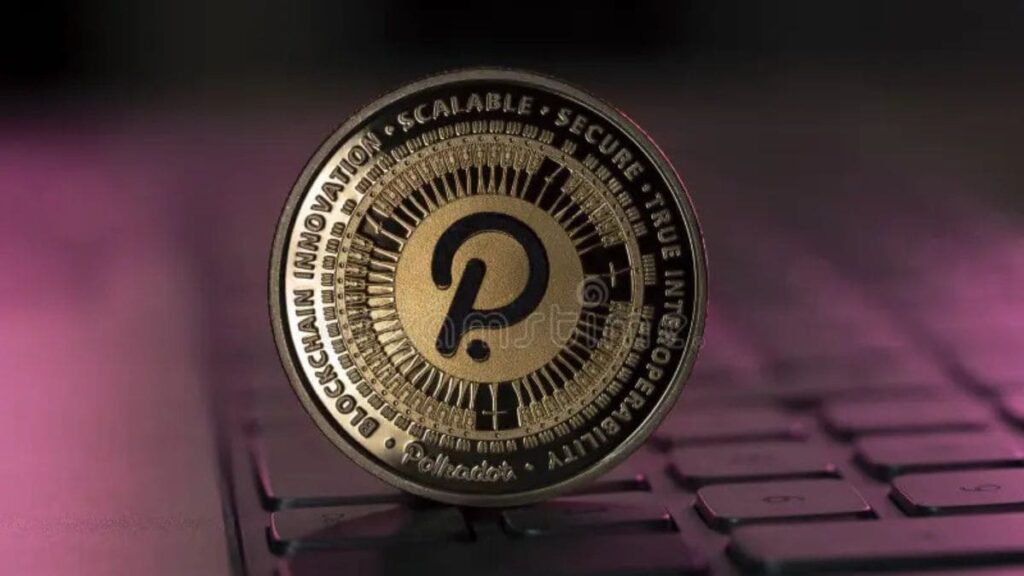
Polkadot is widely followed as blockchain infrastructure designed to support interoperability. The article text provided lists a price of $3.93 and a 24-hour trading volume of $197 million, alongside a 24-hour move of -0.22%. Market data fluctuates and should be verified with current sources.
Polkadot’s core value proposition is enabling different blockchains to interact, which developers can use to build applications that communicate across ecosystems. Unlike early-stage token sales, Polkadot is already established and has a longer operating history, though it is still exposed to crypto-market risk.
For developers and analysts, Polkadot can serve as a reference point for evaluating interoperability approaches and infrastructure-layer design.
Conclusion
These three projects highlight different themes in the cryptocurrency sector: BullZilla’s community-focused token-sale marketing, Astra’s AI-related positioning, and Polkadot’s interoperability-focused infrastructure.
Readers evaluating any crypto asset should consider liquidity, technical risks, token distribution, and the limits of project-provided claims, particularly for early-stage tokens.
For More Information:
Follow BZIL on X (Formerly Twitter)
FAQs
What does BullZilla say differentiates the project?
BullZilla’s materials describe community-oriented mechanics, including a treasury concept (“Roarblood Vault”) and a staking feature (“HODL Furnace”). These features and their effects are project-reported and may change.
Is Astra’s recent price move meaningful on its own?
Short-term price changes are common in crypto markets, particularly for newer tokens. A single day’s move does not, by itself, confirm demand, adoption, or future performance.
Why is Polkadot still relevant in 2025?
Polkadot continues to focus on blockchain interoperability, supporting cross-chain applications and infrastructure-level development.
What information is available about BullZilla’s token-sale pricing?
The project publishes staged pricing and fundraising updates on its website. Such information is provided by the project and should be independently evaluated where possible.
Is participating in meme-themed tokens safe?
Meme-themed tokens can be highly volatile and speculative. Participants should research risks, understand token distribution and smart-contract considerations, and avoid committing funds they cannot afford to lose.
Glossary
Token sale: A fundraising stage where a project offers tokens to participants before broader market availability.
APY: Annual Percentage Yield advertised or earned through staking.
Tokenomics: The economic design of a cryptocurrency.
Vault: A treasury system for holding and distributing tokens or rewards.
Staking: Locking tokens in a protocol or contract in exchange for potential rewards.
Interoperability: The ability of different blockchains to interact.
This outlet is not affiliated with the project mentioned. This article is for informational purposes only and does not constitute financial or investment advice.

