

In 2025, cloud mining services remain widely marketed to people who want exposure to crypto mining without buying and maintaining hardware. Some providers advertise free trials, sign-up credits, or promotional bonuses, but terms, fees, and withdrawal conditions vary and the risks can be significant.
Below is an overview of eight cloud mining services commonly discussed online, with general advantages and limitations. This list is not a recommendation, and readers should independently verify any provider’s claims.
1. AIXA Miner: Sign-up credit and automated contracts (provider-reported)
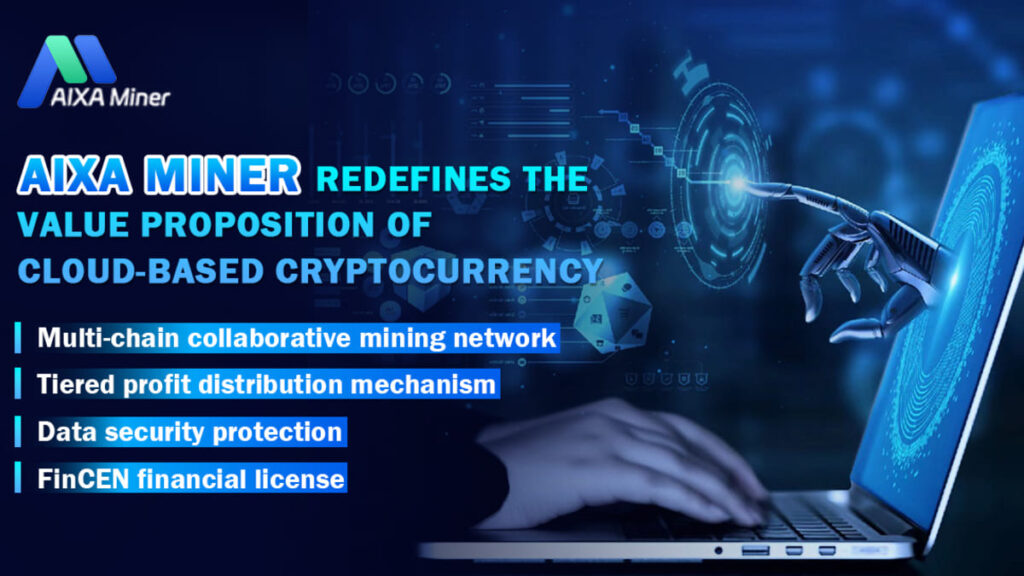
AIXA Miner is a cloud mining service that advertises automated contracts and claims to use energy-efficient infrastructure and data centers in South Korea. The company also promotes marketing incentives such as sign-up credits, VIP-style rewards, and a referral program; details and availability are determined by the provider and may change.
Notable Features
- The company advertises a sign-up credit for new users (for example, a “$20” bonus in marketing materials).
- The provider states that withdrawals and payouts are handled through an automated system and may be available in assets such as BTC, ETH, and USDT.
- The provider promotes a referral program with percentage-based rewards, as described in its own materials.
- The company describes a VIP program and other loyalty-style incentives in its marketing materials; readers should confirm eligibility criteria and terms directly with the provider.
- The company states it offers 24/7 support and a globally distributed mining network.
Example contract listings (provider-reported)
The platform displays multiple contract tiers with stated prices, durations, and projected payout figures. Such figures are set by the provider and should not be treated as guaranteed results.
2. ECOS: Cloud Mining with Built-In Wallet
Pros
- Offers a combination of mining, wallet, and exchange features.
- Some contracts are described as flexible rather than fixed-term.
- Mobile apps are available for iOS and Android devices.
- Has operated for multiple years.
Cons
- Fewer promotional bonus offers compared with some competitors.
- Outcomes can depend on contract terms, fees, mining difficulty, and market conditions, which can affect user results.
3. StormGain: Mobile-First Mining App
Pros
- Provides a mining feature through its mobile app without requiring user-owned hardware.
- Wallet and trading features are integrated in one product suite.
- Designed to be accessible for new users.
- Users can participate without setting up dedicated mining hardware.
Cons
- Mining rates can be slower than some contract-based services.
- Rewards may be relatively small, depending on the product’s rules and market conditions.
4. BitDeer: Professional Mining Farms
Pros
- Uses industrial-grade ASIC mining infrastructure.
- Offers contracts with different durations.
- Has data center partners in multiple regions.
- Provides performance monitoring via a dashboard.
Cons
- Some plans may require higher minimum purchase amounts.
- May be more suitable for experienced users due to product complexity and risk.
5. Hashing24: Bitcoin-Focused Mining Provider
Pros
- Primarily offers Bitcoin-focused contracts.
- Positions its mining as large-scale.
- Contract terms are presented on the platform.
- The provider advertises regular (including daily) payout schedules, subject to its own terms.
Cons
- Does not emphasize multi-coin wallet features.
- May offer fewer newer product features than some newer services.
6. NiceHash: Mining Power Marketplace
Pros
- Operates as a marketplace where users can buy and sell hashing power.
- Supports multiple algorithms and coins.
- Provides remote rig management via a mobile app.
- Advanced users can choose different approaches depending on hardware and market conditions.
Cons
- The user experience can be complex and may require more technical knowledge.
- Results can fluctuate with network difficulty, fees, and market conditions.
7. BeMine: Hybrid ASIC and Cloud Model
Pros
- Combines cloud mining with a shared-ownership ASIC model.
- Offers multiple pricing and contract options.
- Emphasizes hardware-backed infrastructure.
- Has an active community component.
Cons
- The shared-ownership structure may be difficult for newcomers to evaluate.
- Incentive programs vary by provider and may be limited depending on region and terms.
8. Genesis Mining: Multi-Coin Provider
Pros
- Advertises support for multiple assets (for example, BTC, ETH, and LTC, depending on product availability).
- Has operated for a long period relative to some newer services.
- Operates mining facilities in multiple locations, according to the provider.
- Publishes contract information and terms on its platform.
Cons
- May offer fewer free-trial style promotions compared with other services.
- Interface and tooling may be less modern than some newer platforms.
Final Thoughts
Cloud mining services can differ widely in transparency, custody arrangements, fees, and operational risk. Offers described as “free” are often promotional credits with conditions, and projected payouts shown on provider websites are not guarantees.
- If you are comparing providers, consider third-party reputation, clear fee disclosure, withdrawal rules, and whether the service provides verifiable operational details.
- Be cautious of any marketing that implies certainty, “risk-free” participation, or fixed returns.
Company Details (as published by the company)
Company address: 5800 S Quebec St, Greenwood Village,
Company email: [email protected]
Official website: www.aixaminer.com
This article discusses third-party cloud mining services. This article is for informational purposes only and does not constitute financial or investment advice. This outlet is not affiliated with the project mentioned.

